Quick answer: The best cultural experiences in Pakistan are the Mughal monuments and food streets of Lahore, the old city of Peshawar, the Gandhara sites at Taxila and Takht-i-Bahi, Mohenjo-daro, the Sufi shrines of Multan and Sehwan, the Kalash festivals in Chitral, and the forts and villages of Hunza and Baltistan. Spring and autumn are the best seasons to combine cities and mountains.
Pakistan is one of the oldest inhabited lands on earth. The Indus Valley Civilisation, Gandhara’s Buddhist kingdoms, the Mughal emperors, Sufi saints, mountain kingdoms and the Silk Road all left their mark here. After more than ten years of designing tours, I believe culture is what turns a holiday in Pakistan into a journey. This guide brings together the best cultural tours and experiences in the country, from ancient cities to living traditions you can still join today.
1. Lahore: the Mughal heart of Pakistan
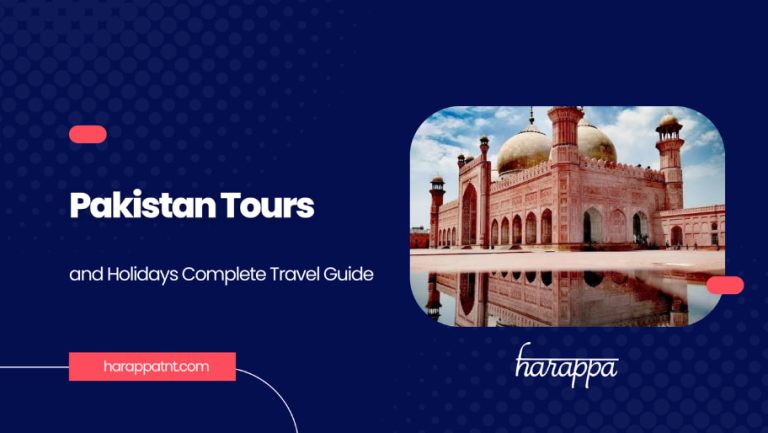
Lahore is where Pakistan’s culture feels most alive. Spend a day in the Walled City, starting at the Badshahi Mosque and the Lahore Fort, with its Sheesh Mahal (palace of mirrors) and the huge Picture Wall covered in tile mosaics. Walk through the bazaars to the Wazir Khan Mosque, one of the most richly decorated mosques in South Asia, and finish in the Shalimar Gardens. In the evening, eat at a food street with a view of the mosque. Near Lahore, the daily flag ceremony at the Wagah border is a loud, theatrical piece of national pride.
2. Peshawar: the old city of the frontier
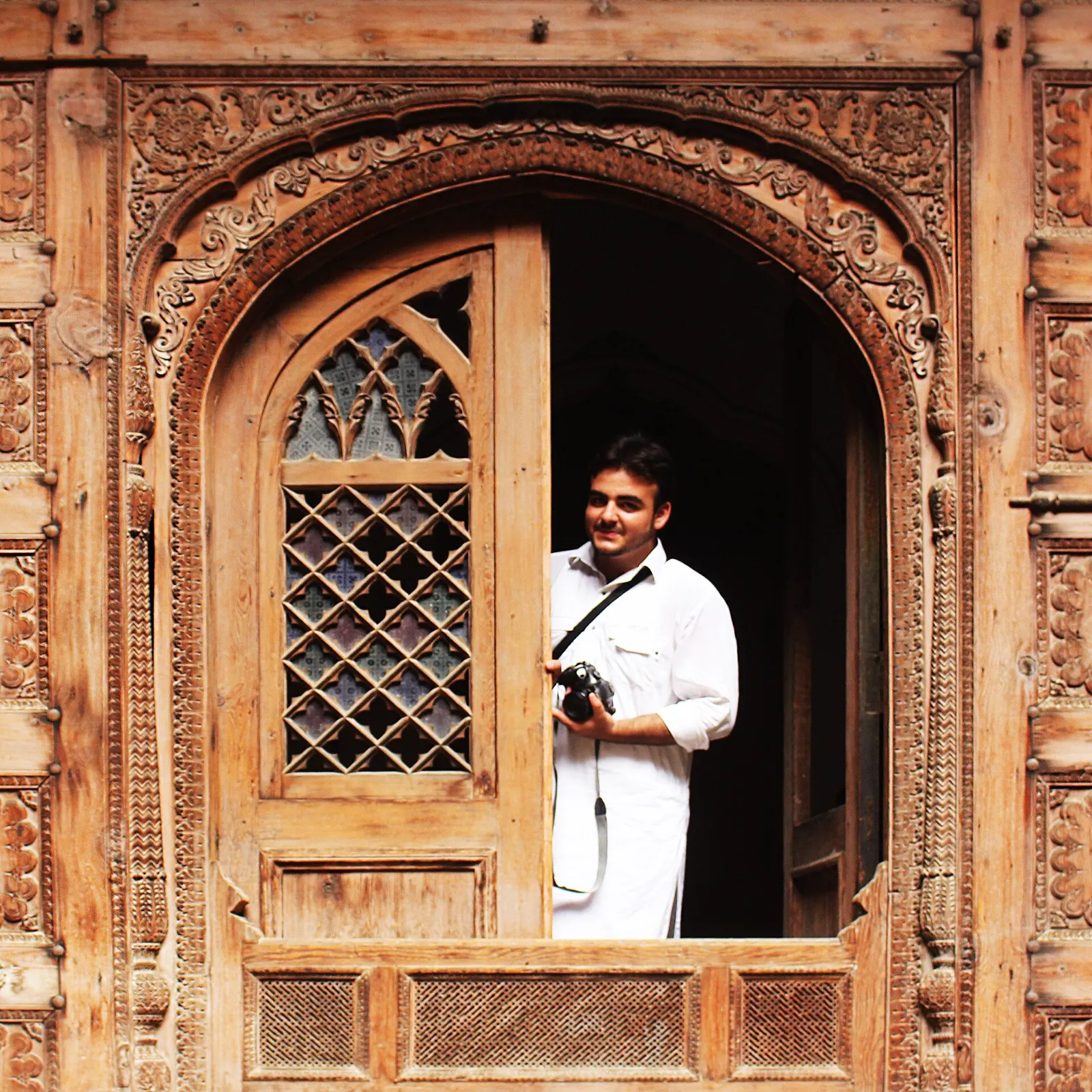
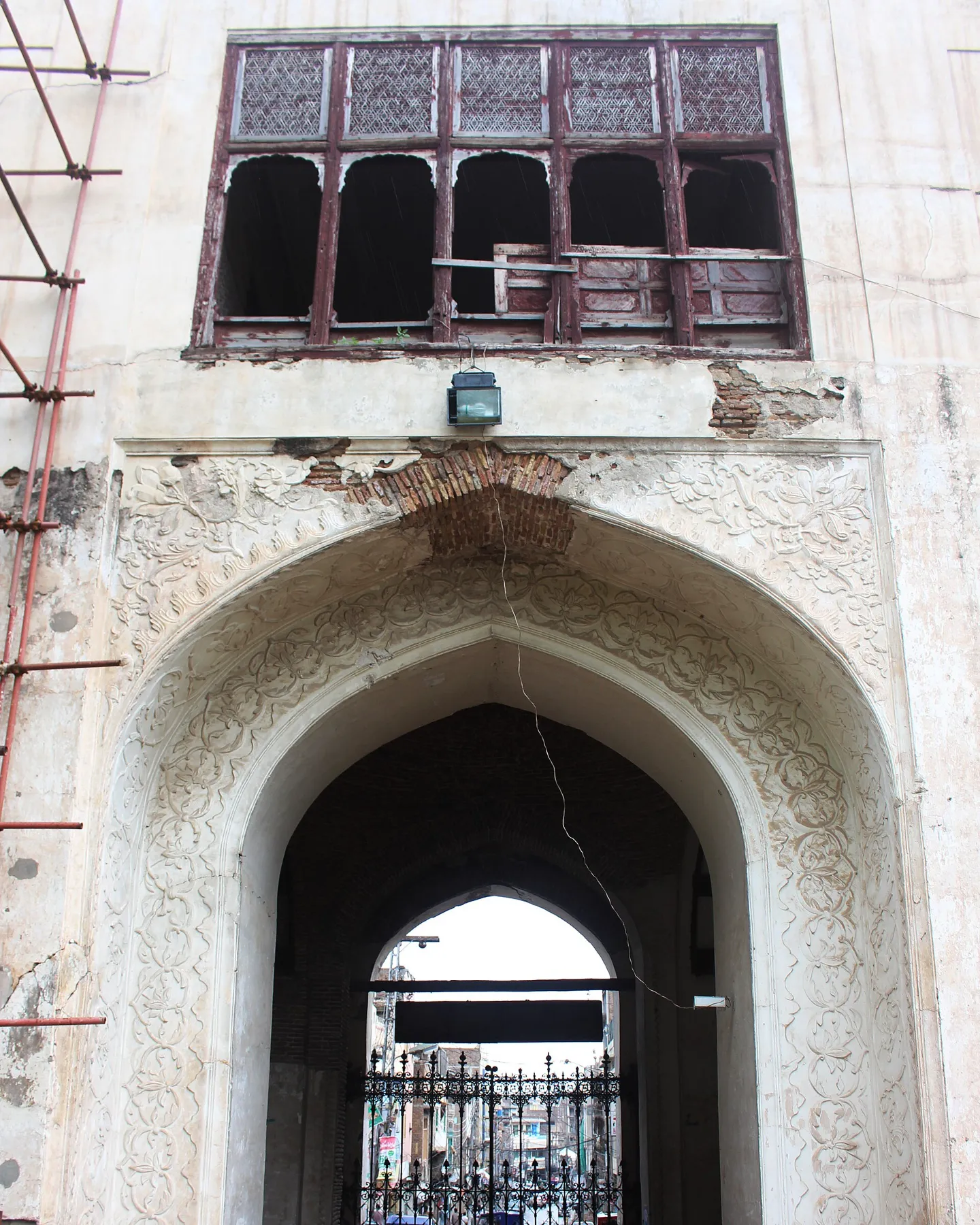
Peshawar has been a crossroads for more than 2,000 years. Walk through Qissa Khwani, the “storytellers’ bazaar”, visit the Mahabat Khan Mosque, the Sethi House with its carved wooden rooms, and the Gor Khatri caravanserai, built over a much older site. The Peshawar Museum has one of the world’s finest collections of Gandhara Buddhist art. Peshawar is in Khyber Pakhtunkhwa, so check travel advice and visit with a licensed operator. See our Peshawar tours.
3. Gandhara: Taxila and Takht-i-Bahi
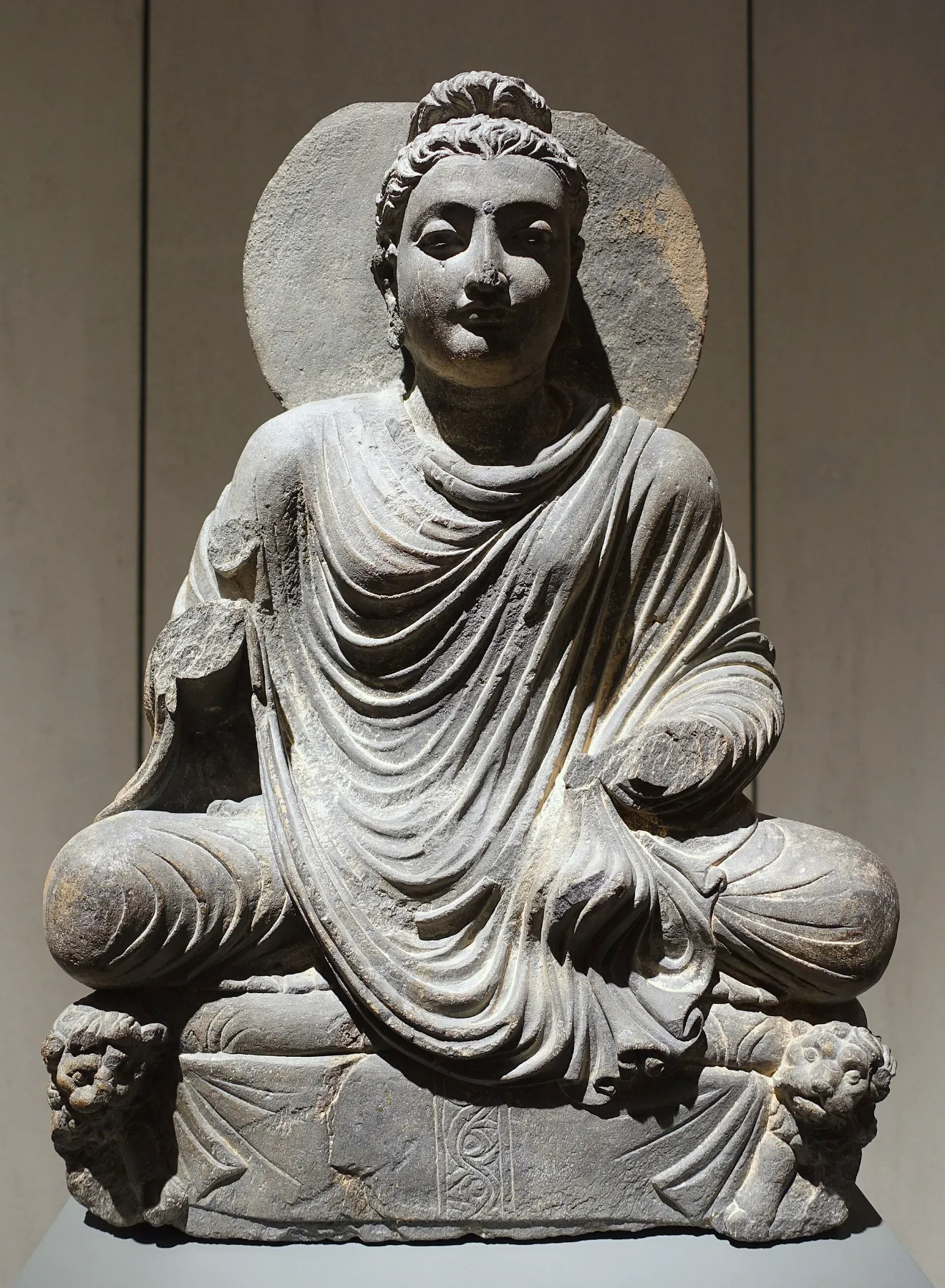
Between the 1st and 7th centuries, Gandhara was a centre of Buddhist art, where Greek, Persian and Indian styles met. Taxila, close to Islamabad, has a museum and excavated cities and monasteries. Takht-i-Bahi, near Mardan, is a remarkably complete hilltop monastery. Both are UNESCO World Heritage Sites and easy day trips.
4. Mohenjo-daro: the Indus Valley Civilisation
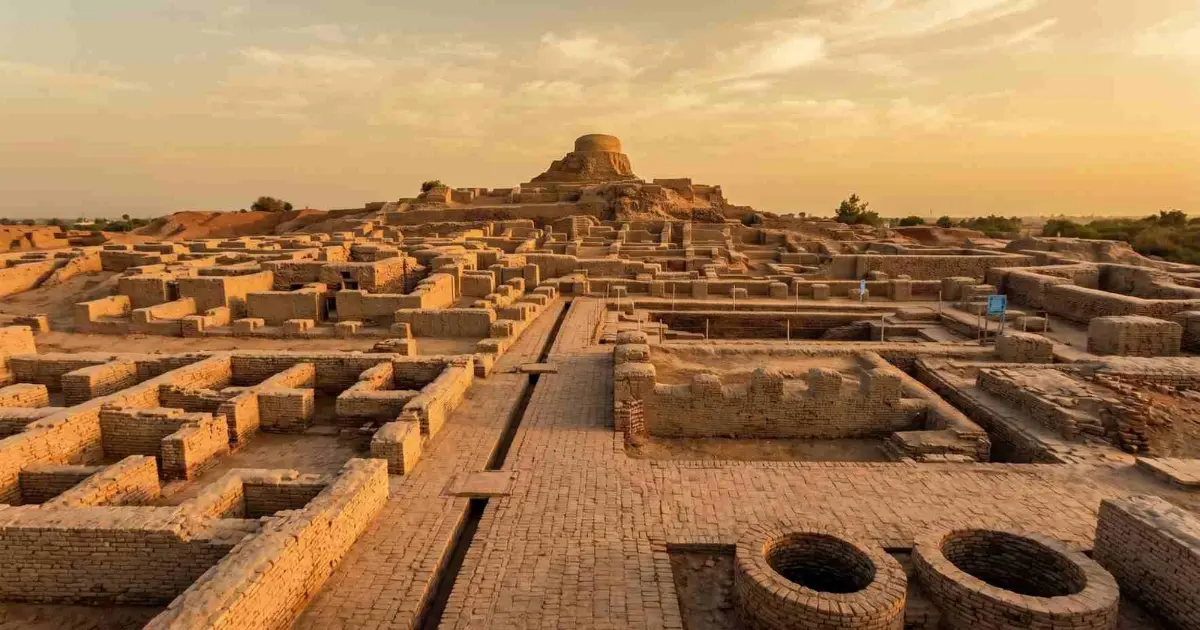
Built around 2500 BCE, Mohenjo-daro was one of the largest cities of the ancient world. Walking its brick streets, past the Great Bath, wells and drains, is like walking through a planned city that was already ancient when Rome was founded. It is in Sindh, near Larkana, and best visited between November and February. See our Mohenjo-daro tours.
5. Makli and Thatta
The Makli Necropolis near Thatta is one of the largest cemeteries in the world, with thousands of carved stone tombs built over centuries. In Thatta, the Shah Jahan Mosque is famous for its tile work and its many domes, built to carry the voice of the imam without a microphone.
6. Sufi Pakistan: Multan, Uch and Sehwan
Sufism is a living part of Pakistani culture. In Multan, the “city of saints”, the tomb of Shah Rukn-e-Alam is a masterpiece of brick and blue tile. Uch Sharif has beautiful tiled tombs on the edge of the desert. At Sehwan Sharif in Sindh, the shrine of Lal Shahbaz Qalandar comes alive every evening with the ecstatic dhamal dance. On Thursday evenings, many shrines host qawwali, the devotional music made famous by Nusrat Fateh Ali Khan.
7. The Kalash valleys
In the Hindu Kush of Chitral, the Kalash people keep their own faith, language and festivals. Visiting during Chilam Joshi in May is one of the most unforgettable cultural experiences in Asia. Read our Kalash Valley guide and festival dates.
8. Hunza: forts, villages and mountain culture
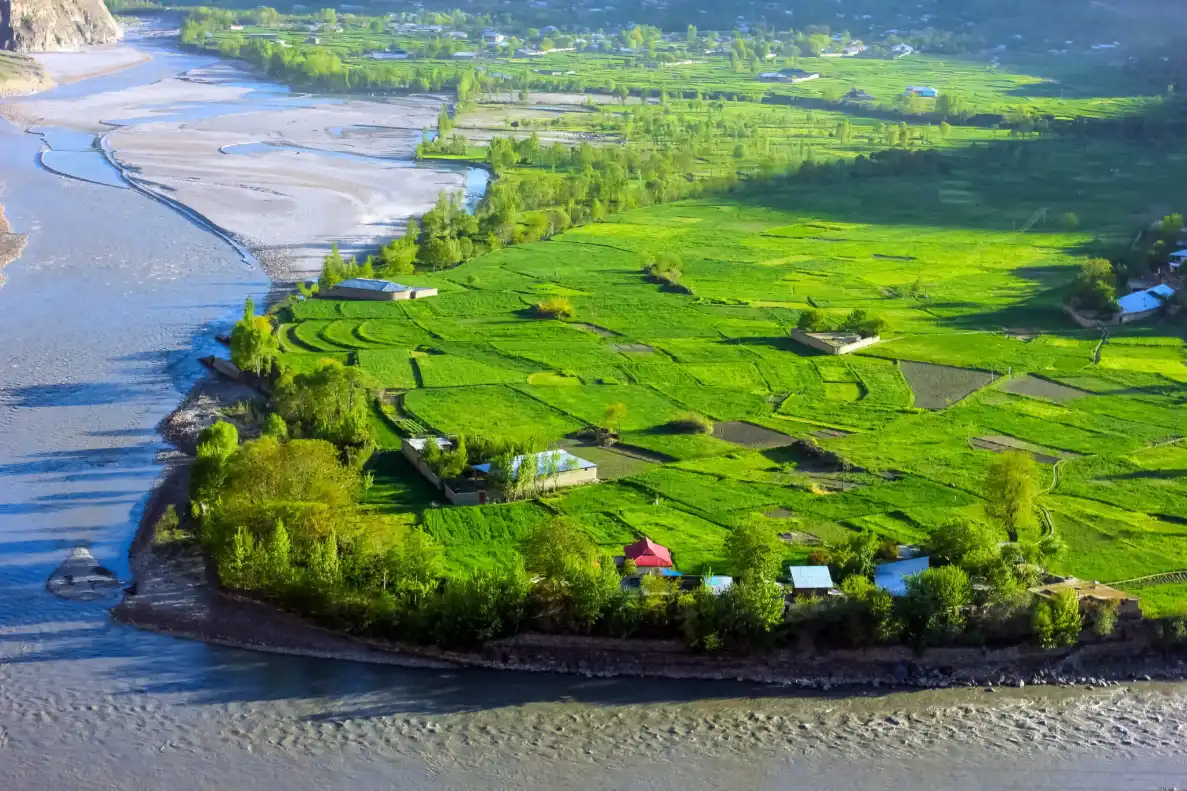
In Hunza, culture and landscape are one. The restored Baltit and Altit forts tell the story of the Mirs of Hunza. Ganish, the oldest village, has old watchtowers and wooden mosques. Families still farm terraces watered by channels from the glaciers, dry apricots on their roofs and welcome guests with tea. See our Hunza Valley guide.
9. Baltistan: palaces of the Rajas
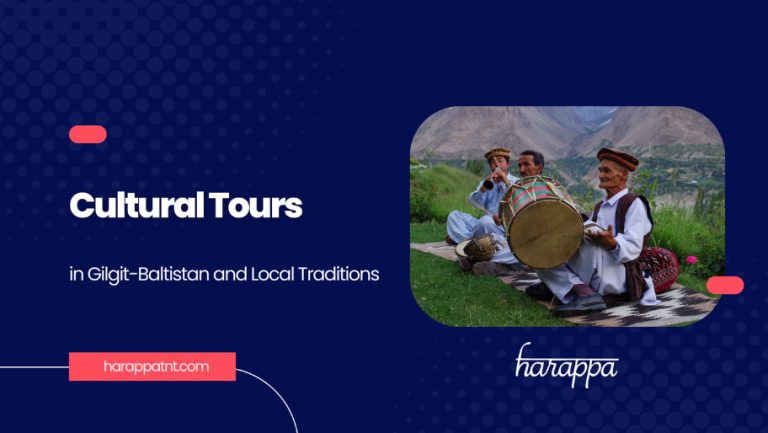
In Baltistan, the palaces of Shigar and Khaplu have been beautifully restored and you can stay in them. The Chaqchan Mosque in Khaplu and the Manthal Buddha Rock in Skardu show how Islamic, Tibetan and Buddhist traditions met here. Read more in our guide to the culture of Gilgit-Baltistan.

10. The Shandur Polo Festival
Every summer, teams from Gilgit-Baltistan and Chitral meet on the Shandur Pass, at over 3,700 m, for freestyle polo on the highest polo ground in the world. Thousands camp around the ground, with music, dance and food. In 2026 the festival took place from 11 to 13 June.
11. Rohtas Fort
Built by Sher Shah Suri in the 16th century near Jhelum, Rohtas is one of the great military forts of South Asia, with walls about four kilometres long and massive gateways. It is a UNESCO World Heritage Site and makes an excellent stop on the drive between Islamabad and Lahore.
12. Islamabad: Lok Virsa and Saidpur
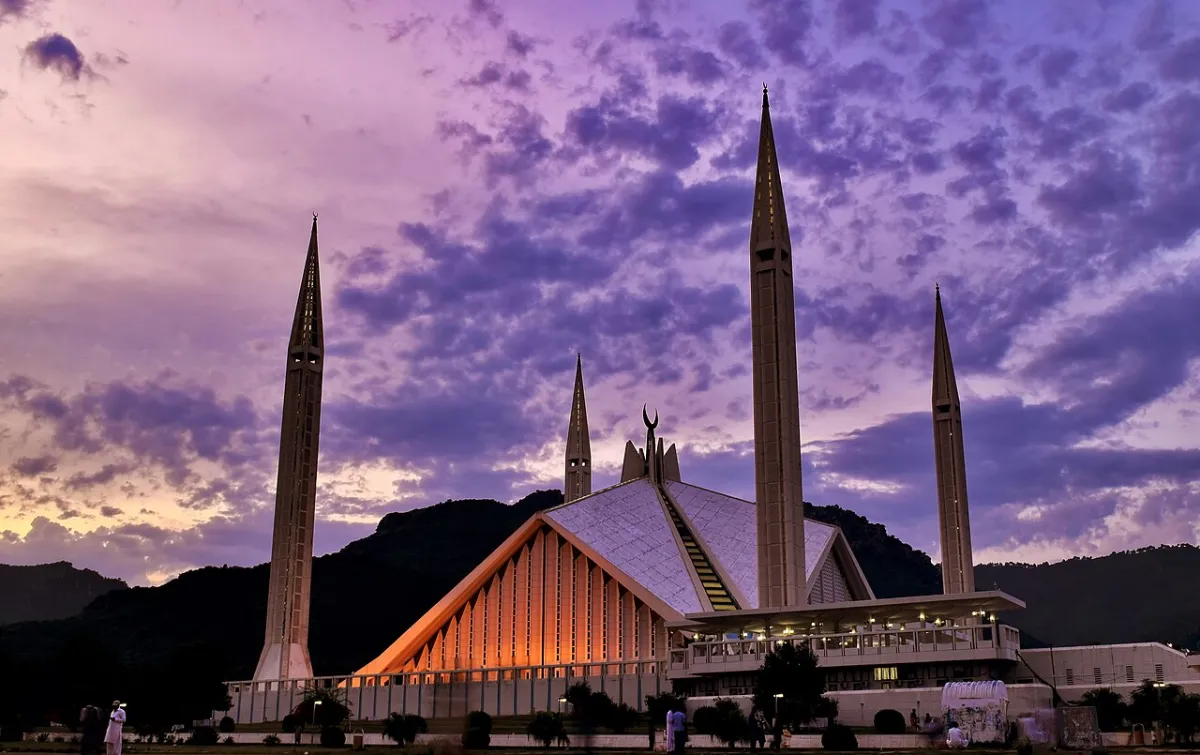
Islamabad is a young city, but it is a good place to start a cultural journey. The Lok Virsa heritage museum gives a colourful overview of Pakistan’s regional dress, music, crafts and architecture. The old village of Saidpur, below the Margalla Hills, has restored houses, a Hindu temple and restaurants. The Faisal Mosque, one of the largest in the world, is an icon of modern Islamic architecture.
13. Swat’s Buddhist heritage
Swat was once a land of hundreds of Buddhist monasteries. Around Mingora and Saidu Sharif you can see stupas, rock carvings of the Buddha and the Swat Museum. Check current travel advice for Khyber Pakhtunkhwa before planning a visit.
14. Chitral town
Chitral’s old fort, the white Shahi Mosque on the river and the views of Tirich Mir make the town worth a stop on the way to the Kalash valleys. In summer, the road over Shandur connects Chitral with Gilgit-Baltistan for a classic cultural road trip.
15. Bahawalpur and the Cholistan desert
In southern Punjab, the former princely state of Bahawalpur has the white Noor Mahal palace. Deep in the Cholistan desert, the huge walls of Derawar Fort rise from the sand. In winter, the Cholistan desert jeep rally brings crowds and celebrations to the desert.
Living culture: experiences beyond the monuments
- Village homestays in Hunza or Gulmit, sharing meals with a family.
- Cooking sessions to learn chapshuro, karahi or daal.
- Bazaar walks in Rawalpindi, Lahore or Peshawar with tea stops.
- Crafts: blue pottery in Multan, ajrak block printing in Sindh, carpets and embroidery in Hunza, truck art workshops in Rawalpindi.
- Music evenings: qawwali in Lahore or traditional Hunza music with local musicians.
Saleem’s tip: The best cultural moments are rarely on the schedule. Leave some free time in every city and valley, and say yes when someone invites you for tea. That is where you will learn the most.
Modern Pakistani culture: truck art, music and cricket
Culture in Pakistan is not only in museums. Look at the trucks on the Karakoram Highway: every one is a moving work of art, covered in painted flowers, birds, mountains, poetry and mirrors, with jingling chains hanging from the bumpers. Truck art has become a national symbol, and you can visit workshops in Rawalpindi and Karachi where painters decorate trucks by hand. Music is everywhere too, from qawwali and folk songs to modern Coke Studio sessions that mix traditional instruments with pop. And then there is cricket. Play a game with kids in a village street or watch a match on a café TV, and you will make friends in minutes. These everyday moments are as much a part of a cultural tour as any fort or mosque.
Supporting heritage while you travel
Many of Pakistan’s monuments and crafts survive thanks to local trusts and communities. When you pay entry fees, hire licensed local guides, stay in restored heritage hotels like Shigar Fort, and buy crafts from cooperatives, part of your money helps keep these places alive for the next generation.
If you only remember one thing from this guide, let it be this: in Pakistan, culture is something people share with you, not something you simply look at. Come curious, stay a little longer than planned, and let your hosts show you their country.
Best time for cultural tours
| Region | Best months | Why |
|---|---|---|
| Lahore, Islamabad, Peshawar | October–March | Pleasant weather for walking and markets |
| Sindh and southern Punjab | November–February | The only comfortable months in the south |
| Kalash valleys | May, August, December | Festival seasons |
| Hunza and Baltistan | April–October | Open roads, blossom and autumn colours |
| Shandur | June–July | Polo festival |
Sample cultural routes
- 7 days, Peshawar and Kalash: see our 8-day Chitral, Kalash and Peshawar tour.
- 10 days, Kalash and Chitral: our 10-day tour can be timed to a festival.
- 10 days, Hunza and Baltistan: forts, palaces and villages on the 10-day Hunza and Skardu tour.
- 17 days, Lahore to the Karakoram: Mughal cities and mountain cultures on the 17-day tour.
Cultural etiquette in Pakistan
- Dress modestly. Women should carry a scarf for mosques and shrines.
- Remove your shoes at mosques, shrines and homes.
- Ask before photographing people, and avoid photos of women unless they agree.
- Do not eat or drink in public during the day in Ramadan.
- Use your right hand for eating and giving.
- Accept hospitality warmly. Refusing tea can seem cold.
For practical planning, read our Pakistan travel guide and our honest safety guide.
Plan a cultural journey with a local team. We combine monuments, festivals, family meals and crafts into one smooth trip.
Cultural tours FAQs
What is Pakistan’s culture known for?
Its hospitality, its food, Sufi music and shrines, Mughal architecture, ancient civilisations like Mohenjo-daro and Gandhara, and the many regional cultures of its mountains and plains.
How many days do I need for a cultural tour of Pakistan?
A week is enough for one region, such as Lahore and Islamabad or Peshawar and the Kalash. Two to three weeks lets you combine cities and mountain cultures.
Can foreigners visit mosques and shrines?
Yes, in most cases, if you dress modestly, remove your shoes and avoid prayer times. Women should cover their hair.
When is the best time for a cultural tour?
October to March for the cities and the south, and April to October for the mountain cultures of Hunza, Baltistan and the Kalash.