Quick answer: Visit Pakistan for the highest concentration of big mountains on earth, empty trails and glaciers, 5,000 years of history, some of the best food in Asia and hospitality that guests never forget. It is still far less crowded than Nepal or India. Check current travel advice, plan your route carefully, and the north in particular will reward you.
I have spent more than ten years welcoming travellers to Pakistan. Many arrive nervous, after hearing only the news headlines. Almost all of them leave asking when they can come back. So why should Pakistan be your next destination? Here are the reasons I hear most often from our guests, and some honest notes on what to expect.
1. The greatest mountain scenery on earth
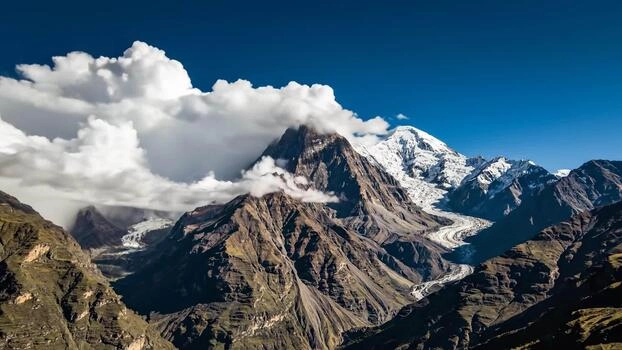
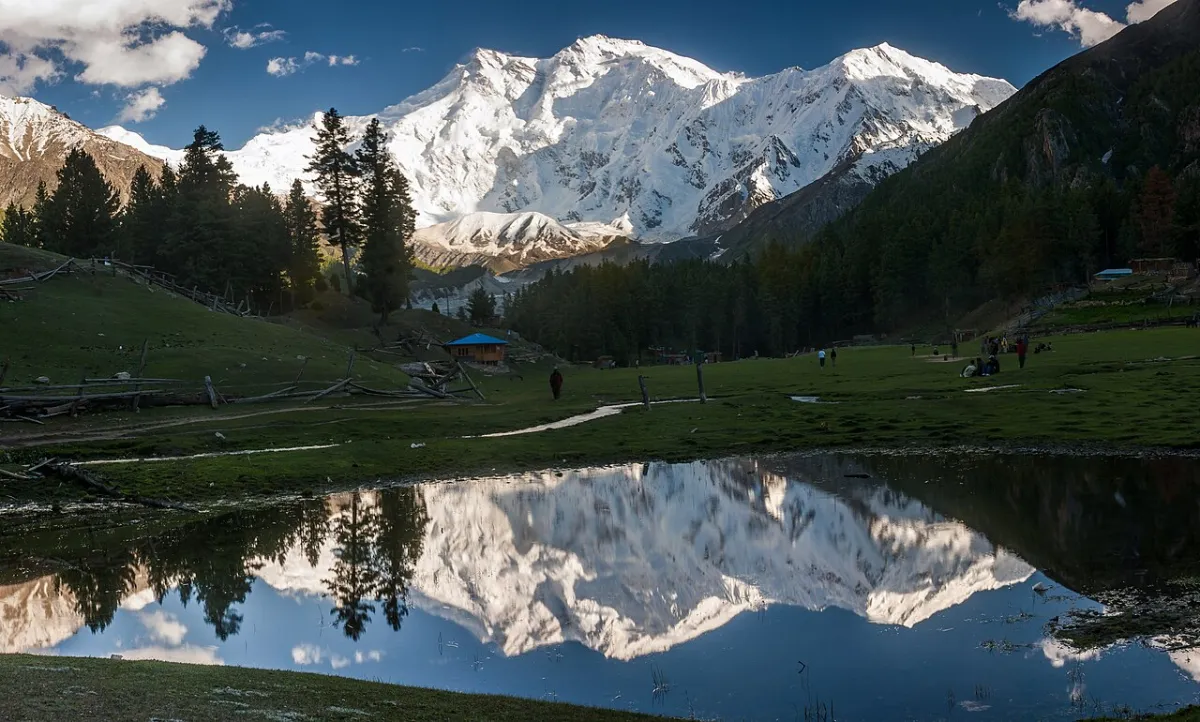
Pakistan has five of the world’s fourteen mountains above 8,000 m, including K2, the second highest, and Nanga Parbat, the ninth. Three mighty ranges, the Karakoram, the Himalaya and the Hindu Kush, meet in the north. More than a hundred peaks rise above 7,000 m. What makes it special is how close you get. In Hunza, Rakaposhi rises almost 6,000 m above the road. At Fairy Meadows, the face of Nanga Parbat fills the whole sky. Few places on earth let you see so many giants with so little effort.
2. Glaciers, lakes and wild landscapes
The Karakoram has some of the longest glaciers outside the polar regions: the Baltoro, Biafo, Hispar and Batura. There are turquoise lakes like Attabad, Satpara and Saif-ul-Malook, the high wildflower plateau of Deosai, cold deserts beside snow peaks in Skardu, and the Indus River cutting through it all. Read our guide to the best places in northern Pakistan.
3. World-class trekking without the crowds
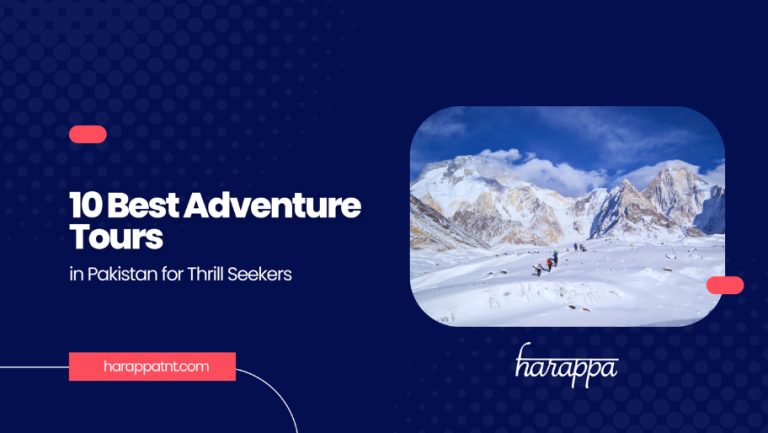
Treks like K2 Base Camp, Gondogoro La, Snow Lake and Rakaposhi Base Camp are among the most spectacular in the world, yet they see only a fraction of the trekkers you find in Nepal. On many trails you will walk for hours without meeting another group. See our adventure tours guide for the best treks.
4. Five thousand years of history
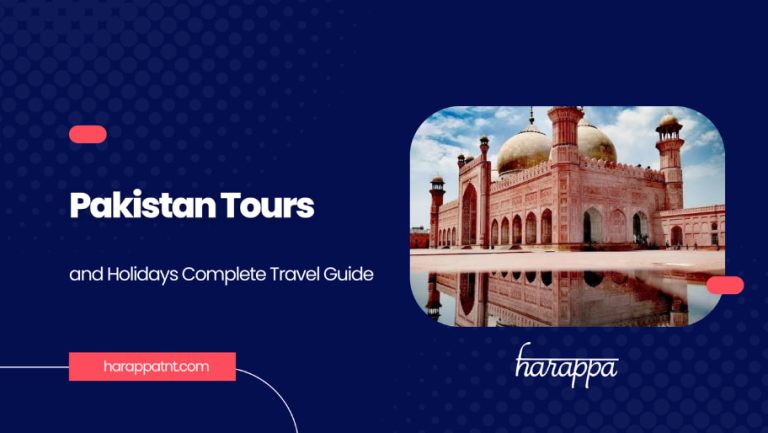
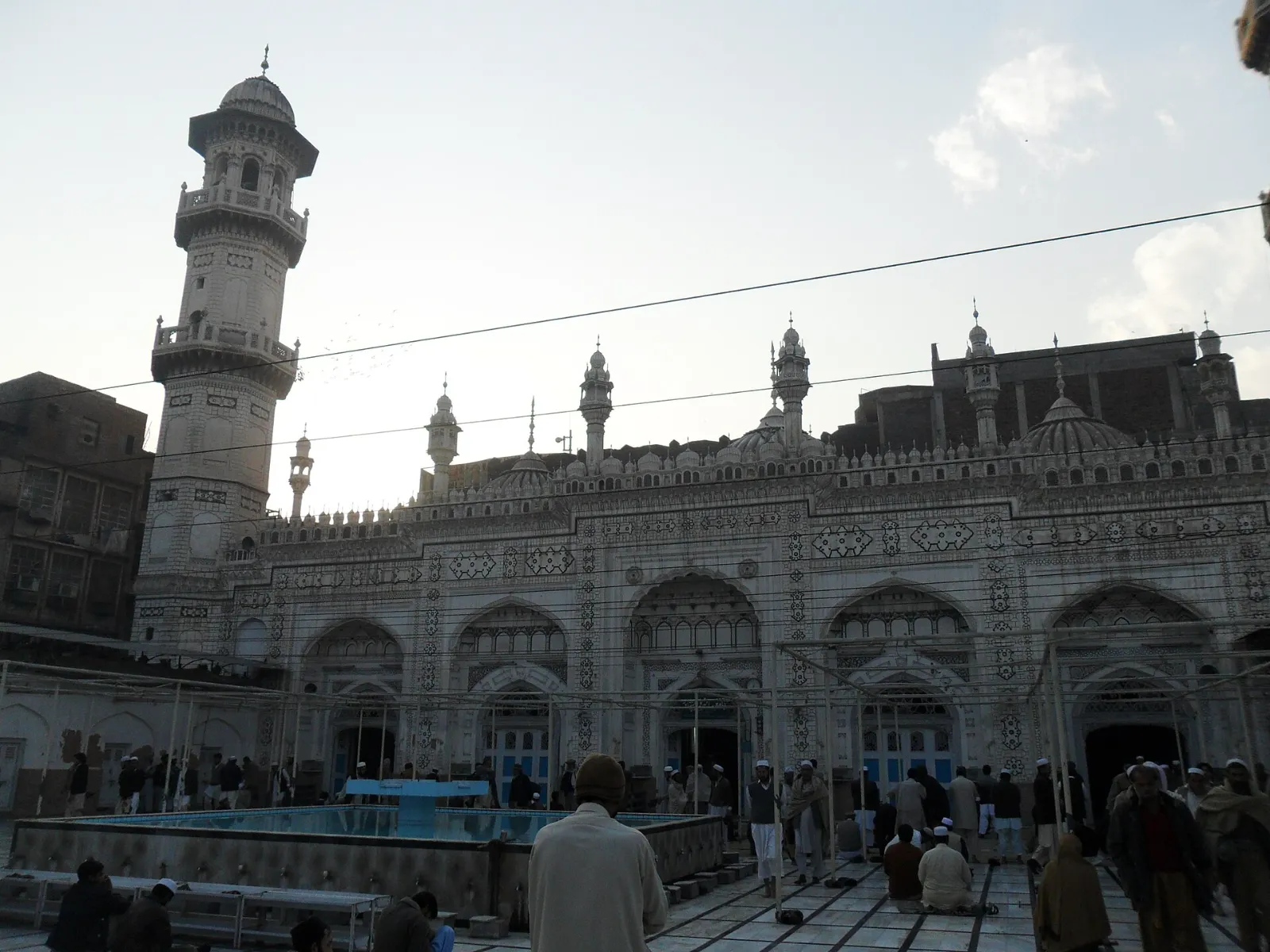
Pakistan is one of the cradles of civilisation. Mohenjo-daro was a planned city of the Indus Valley more than 4,500 years ago. Taxila and Takht-i-Bahi were centres of Gandhara’s Buddhist art, where Greek and Asian styles met. Then came the Mughals, with the Badshahi Mosque, Lahore Fort and Shalimar Gardens, and the mountain kingdoms of Hunza and Baltistan. Pakistan has six UNESCO World Heritage Sites and countless more places of history. See our best places to visit in Pakistan.
5. Hospitality you have to experience to believe
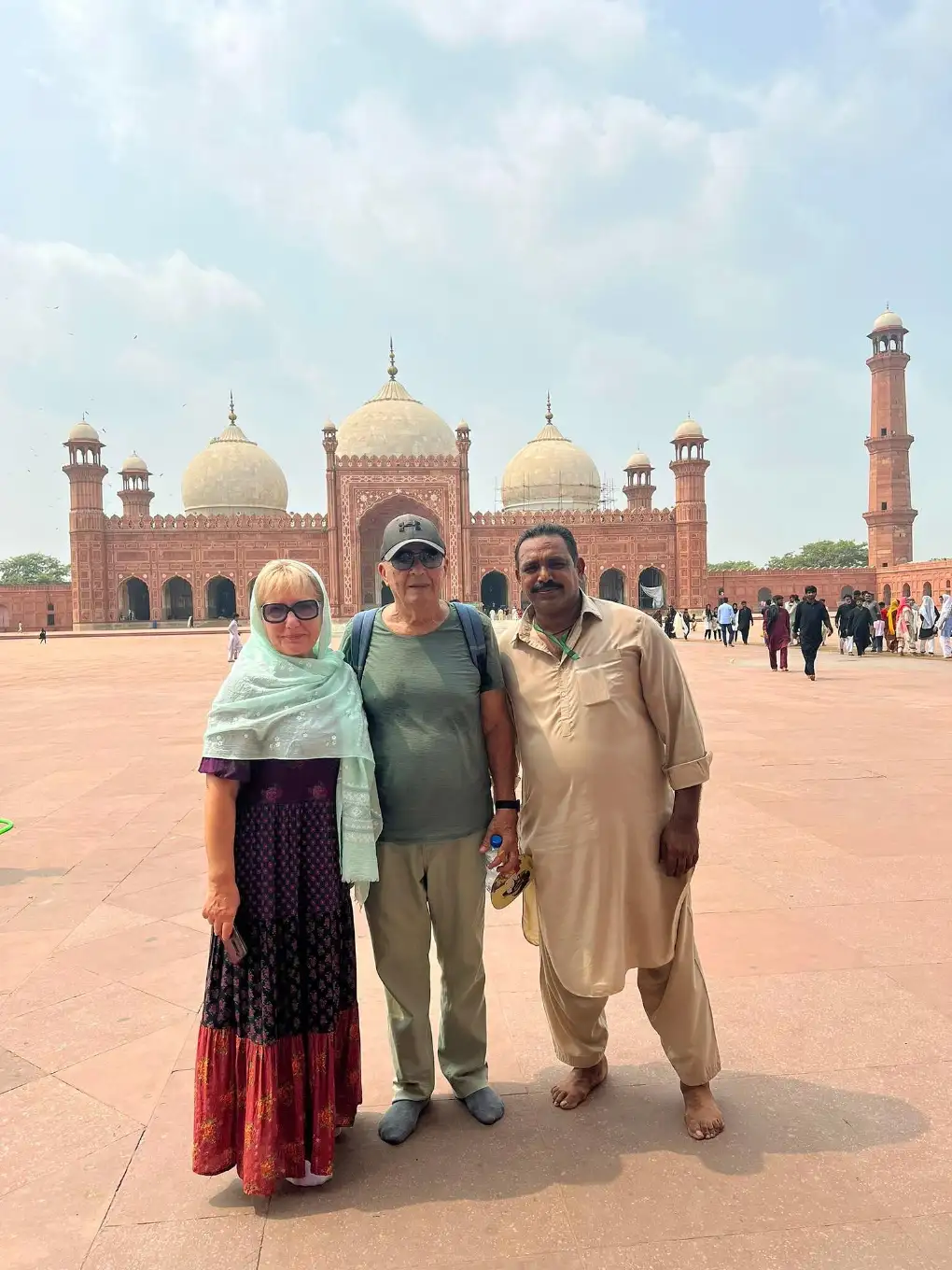
Ask any traveller who has been to Pakistan what they remember most, and they will usually talk about people. Strangers invite you for tea, shopkeepers refuse your money, families insist you stay for dinner. In the north, a guest is considered a gift. It is not a performance for tourists. It is simply how people live. Our guests often say this is what changed their view of the country.
6. A living mosaic of cultures
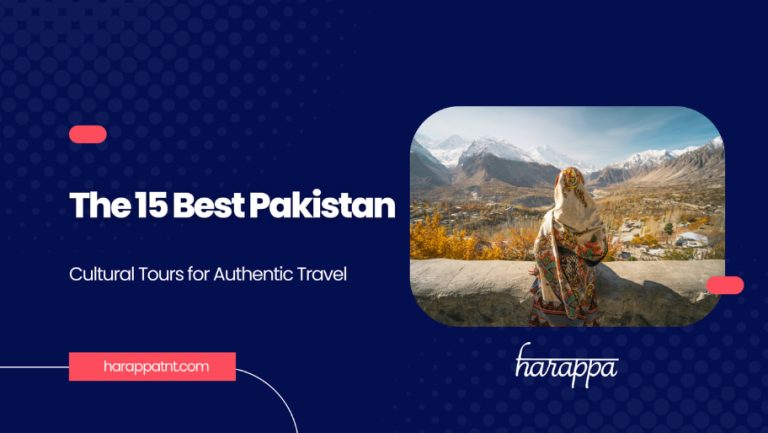
Pakistan is home to dozens of languages and peoples. In one trip you can meet the Kalash with their own ancient faith, the Burusho and Wakhi of Hunza, the Balti of Baltistan with Tibetan roots, Pashtun traders in Peshawar and Punjabi families in Lahore. There are Sufi shrines with qawwali music, polo festivals in the mountains and colourful truck art on every highway. Read more in our guide to cultural tours in Pakistan.
7. Some of the best food in Asia
Pakistani food is generous, rich and endlessly varied: nihari and karahi in Lahore, chapli kebab in Peshawar, biryani in Karachi, sajji from Balochistan and mild, healthy mountain food in Hunza. Street food is everywhere, and tea is always on offer. Our Pakistani food guide lists what to try.
8. Still off the beaten track
For many travellers, the best thing about Pakistan is what it is not. It is not crowded with tour buses. It is not yet shaped by mass tourism. You will often be the only foreigners at a viewpoint or in a village. That feeling of discovery is getting rare in the world, and Pakistan still has it.
9. Good value
Compared with many mountain destinations, travel in Pakistan offers good value. Food, local guesthouses and many experiences are affordable, and a private tour with a driver and guide costs less than in many other countries. Your money also goes a long way in supporting local families in the valleys.
10. Every season has something
Spring brings blossom to Hunza and Skardu. Summer opens the high treks and Deosai. Autumn turns the valleys gold. Winter is ideal for Lahore, Sindh and Mohenjo-daro, and for snow in the north. There is no bad time to visit, only different trips.
11. The most beautiful road trip in the world
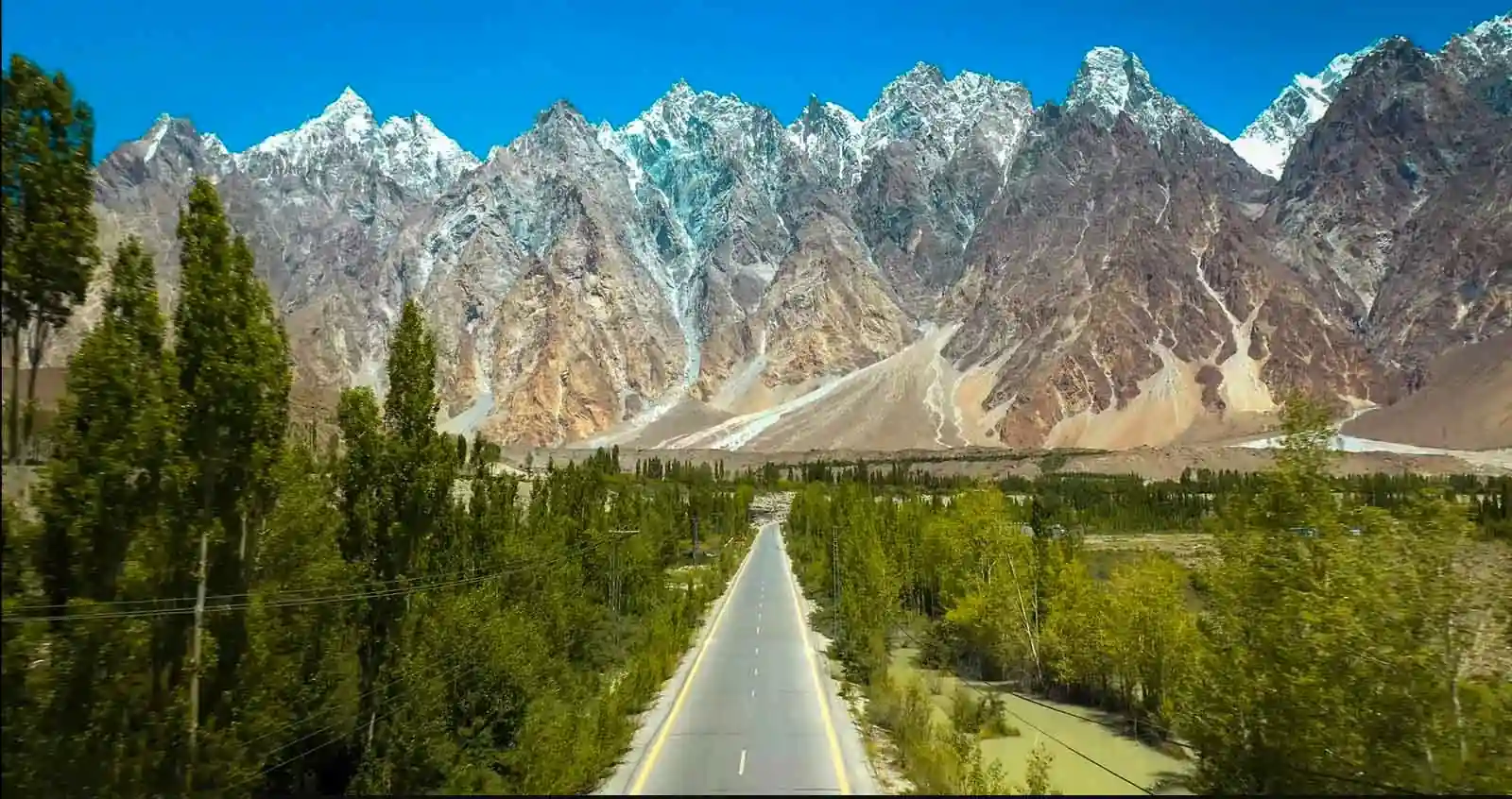
The Karakoram Highway, built through some of the steepest mountains on earth, follows an old branch of the Silk Road from the plains to the Chinese border at Khunjerab Pass, around 4,700 m high. Along the way you pass the meeting point of three mountain ranges, ancient rock carvings, suspension bridges, glaciers that reach almost to the road, and villages where every family has an apricot orchard. It is a journey, not just a drive.
12. Meaningful, responsible travel
Tourism matters enormously to mountain communities in Pakistan. When you stay in a family guesthouse in Hunza, hire a Kalash guide or buy embroidery from a women’s cooperative, your money goes straight to the people who live there. For many of our guests, knowing that their trip supports schools, jobs and the survival of local traditions makes it even more rewarding.
What to know before you go: the honest part
I would not be doing my job if I only listed the good things. Pakistan is not an easy destination, and you should go with open eyes:
- Safety varies by region. Many governments advise against travel to parts of Pakistan, and some advise against non-essential travel to Gilgit-Baltistan. Read our honest safety guide and check your insurance.
- Visas need planning. From January 2026 most visitors apply for a paid e-visa online. See our Pakistan travel guide.
- Mountain travel is slow. Roads can close with landslides and flights are weather-dependent. Flexibility is essential.
- Infrastructure is basic in places. Expect power cuts, patchy internet and simple rooms in remote valleys.
- It is a conservative country. Modest dress and respect for local customs go a long way.
Saleem’s tip: The travellers who love Pakistan most are the ones who come with time and patience. Build a few spare days into your plan, and treat delays as a chance for another cup of tea with a view.
Pakistan compared with Nepal and India
| Pakistan (north) | Nepal | North India (Ladakh, Himachal) | |
|---|---|---|---|
| Big peaks | K2, Nanga Parbat, 3 other 8,000 m peaks | Everest and 7 other 8,000 m peaks | No 8,000 m peaks |
| Crowds on treks | Low | High on popular routes | Moderate |
| Trek style | Camping with a full crew | Teahouses | Mixed |
| Road access to big views | Excellent (Karakoram Highway) | Limited, mostly by trekking | Good |
| Tourist infrastructure | Growing, simpler | Well developed | Well developed |
Common myths about Pakistan
- “It is all desert.” Pakistan has glaciers, alpine meadows, forests, rivers, beaches and deserts, often within a day’s drive of each other.
- “Women cannot travel there.” Many women travel in Pakistan every year, solo and in groups, and often get a warmer welcome than men.
- “There is nothing to do except mountains.” Cities like Lahore and Peshawar are among the richest in culture and food in South Asia.
- “You cannot get a visa.” Most nationalities can apply online for an e-visa.
The moments guests remember
When I ask guests at the end of a tour about their favourite moment, they rarely name the famous sights first. They talk about the old man in Ganish who showed them his family’s watchtower, the sunrise from Eagle’s Nest when Rakaposhi turned pink, the boy who raced them on a bicycle along the Karakoram Highway, or the cup of salt tea with a Wakhi family in Passu. Pakistan is full of moments like these, and they are the best reason of all to come.
Those moments cannot be booked in advance. They happen when you slow down, travel with people who know the valleys, and leave space in your days for the unexpected.
Who will love Pakistan?
- Mountain lovers and photographers who want the biggest landscapes on earth.
- Trekkers looking for world-class routes without crowds.
- History and culture lovers drawn to ancient cities, Mughal monuments and living traditions.
- Food lovers who want to eat their way through a country.
- Curious, open-minded travellers who value real encounters over perfect comfort.
A first trip to Pakistan: how to start
For a first visit, I usually recommend 10 to 12 days in the north between April and October. Fly into Islamabad, take the short flight to Skardu or Gilgit, explore Hunza, and add either Skardu or Fairy Meadows. If you have more time, add Lahore for history and food. Popular starting points are our 10-day Hunza and Skardu tour, the 12-day Hunza, Skardu and Fairy Meadows tour, and for culture lovers the 10-day Kalash and Chitral tour. Our Hunza Valley travel guide is a good place to start reading.
What our guests say
We collect reviews from every trip, and certain words come up again and again: “hospitality”, “breathtaking”, “safe with the team”, “life-changing”. Many guests come back for a second trip to see a different valley, or bring friends and family. You can read their reviews on our TripAdvisor page, linked across our website.
Ready to see Pakistan for yourself? Tell us your dates and interests, and we will design a trip around you.
Why visit Pakistan: FAQs
Is Pakistan worth visiting?
For mountain scenery, trekking, history and hospitality, Pakistan is one of the most rewarding countries in Asia. Plan carefully around safety advice and seasons.
What is Pakistan most famous for?
K2 and the Karakoram mountains, the Hunza Valley, Mughal Lahore, the Indus Valley Civilisation at Mohenjo-daro, its food and its hospitality.
When is the best time to visit Pakistan?
April to October for the northern mountains, and October to March for the cities and the south. April and October work for both.
Is Pakistan good for first-time travellers to Asia?
Yes, especially the north with a licensed operator. Hunza and Skardu are calm, welcoming and easier than many big cities in the region.