Quick answer: Parts of Pakistan are visited safely by thousands of foreign travellers every year, especially Hunza, Skardu, Islamabad and Lahore. Other areas carry real risk and are off-limits. Western governments still advise caution, and some advise against non-essential travel to Gilgit-Baltistan. Read your own government’s advice, buy insurance that covers your route, and travel with a licensed local operator.
“Is it safe?” is the first question almost every guest asks me. After more than ten years of guiding in the north, I will give you the honest answer, not a sales pitch. Pakistan is not one place. The risk in a village in Hunza is very different from the risk on the Afghan border. This guide explains what governments say right now, which regions travellers visit, and the habits that keep our guests safe.
What official travel advisories say (2026)
Travel advice changes often. Always read the latest version yourself before booking. As of late 2026:
- United States: Pakistan is at Level 3, “Reconsider Travel”. Americans are told not to travel to Balochistan, Khyber Pakhtunkhwa (including the former tribal areas) or near the Line of Control.
- United Kingdom: The FCDO advises against all travel to several border regions. It also advises against all but essential travel to Gilgit-Baltistan, citing unrest, protests, movement restrictions and phone and internet outages. Travelling against FCDO advice can invalidate your travel insurance.
- Canada: Canadians are told to exercise a high degree of caution in Pakistan, to avoid several provinces, and not to travel to Gilgit-Baltistan by road.
- Some European governments say tourism around Skardu, Gilgit and Hunza is generally possible with a professional agency and an experienced local guide. They flag the Karakoram Highway between Besham and Chilas, and Babusar Pass, as higher risk and recommend domestic flights.
Pakistan also had serious security incidents in 2026, including a bombing at a mosque in Islamabad in February and fighting on the border with Afghanistan. I am not going to hide that. It is exactly why we plan routes carefully and change them when we need to.
Saleem’s tip: Before you pay for anything, check whether your travel insurance covers the exact places on your itinerary. If your government advises against travel to a region, many standard policies stop covering you there. Specialist adventure insurers sometimes do cover it.
Which areas do tourists visit?
| Region | Typical visitors | What to know |
|---|---|---|
| Hunza, Nagar, Gojal | Very popular with foreign and local tourists | Strong record of hospitality and low crime. Remote mountain risks: landslides, altitude, road closures. |
| Skardu and Baltistan | Trekkers, climbers, families | Usually reached by flight. Trekking areas near the border need permits and a licensed operator. |
| Islamabad | Arrival city for most visitors | Modern and well policed, but not risk-free. Follow local news. |
| Lahore | History and food lovers | Busy city. Normal big-city precautions. |
| Chitral and Kalash valleys | Culture and festival travellers | In Khyber Pakhtunkhwa. Some governments advise against travel. Foreigners may be given a police escort. |
| Balochistan, ex-tribal areas, Afghan border, Line of Control | Not for tourists | We do not run tours here. |
Safety in Gilgit-Baltistan and Hunza
I live here, so this is the part I know best. People in Hunza and Baltistan are known for welcoming visitors. Most families have relatives in tourism, and a guest is treated with a lot of respect. Street crime against tourists is rare. In practice, the bigger daily risks in the mountains are:
- Roads: landslides and rockfall on the Karakoram Highway, especially after rain.
- Altitude: places like Khunjerab Pass and Deosai are above 4,000 m. Read our altitude sickness guide.
- Weather and flights: Gilgit and Skardu flights are often cancelled in bad weather.
- Political events: occasional protests or strikes can close roads or shut down mobile data for a few days.
None of these should stop you, but all of them need planning, local knowledge and spare days in the itinerary.
How we keep guests safe
- We follow official advice and do not take guests to areas where foreigners are not allowed or where the risk is too high.
- We check road and security conditions with local contacts every day of the trip, and change the plan if we need to.
- We prefer flights to Gilgit or Skardu over the longest highway stretches when that is the safer option.
- Every tour has an experienced local driver and guide, and a reliable 4×4 for mountain roads.
- We register guests with the police where required and keep copies of passports and visas.
- We build buffer days into longer trips for weather and road closures.
Practical safety tips for travellers
- Register with your embassy’s travel alert system before you go.
- Carry your passport, visa and several photocopies. Checkposts are normal on mountain roads.
- Avoid political rallies and large gatherings in cities.
- Buy a local SIM card (Zong or SCOM work best in the north) so you can be reached.
- Dress modestly, especially in villages and religious places. It helps you blend in and shows respect.
- Use registered taxis or your operator’s transport, not random rides.
- Drink bottled or filtered water and eat freshly cooked food.
Is Pakistan safe for women and solo travellers?
Many women travel in northern Pakistan with us, alone or with friends, and most say it felt easier than they expected. Hunza in particular is relaxed and many women work in tourism there. Expect curious looks in some areas, dress modestly, and use a trusted operator for transport and hotels. In big cities, take the same care you would in any large South Asian city.
Visa and entry basics
From 1 January 2026 Pakistan suspended its free “Visa Prior to Arrival” scheme. Most tourists now apply online for a paid e-visa through the official Pakistan Online Visa System. Our Pakistan travel guide covers visas, money and SIM cards in more detail.
Not sure if your route is a good idea? Send it to us. We will tell you honestly what we would change.
Road safety in the mountains
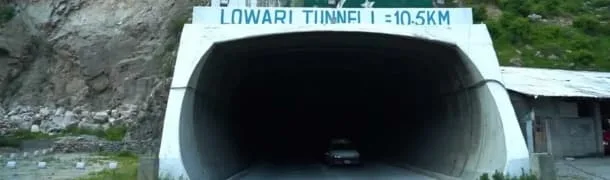
If you ask me what really worries me as a guide, it is not crime. It is the road. The Karakoram Highway and the jeep tracks to places like Fairy Meadows, Deosai and Shimshal are some of the most dramatic roads in the world. They are also some of the most demanding. This is how we manage the risk:
- Experienced local drivers only. Our drivers grew up on these roads and know where rockfall is common and when to wait.
- No night driving in the mountains. We plan days so that we arrive before dark.
- Seasonal planning. Monsoon rains in July and August can trigger landslides and flash floods, so we keep these months flexible and build in buffer days.
- Licensed jeeps for jeep tracks. For Fairy Meadows and Deosai we use registered local jeeps, not ordinary cars.
- Satellite and phone backup. In areas without signal, our team carries ways to stay in touch with the office.
Health and medical care
Islamabad and Lahore have modern private hospitals of a good standard. In Gilgit, Skardu and Aliabad there are district hospitals and private clinics that can handle common problems and stabilise more serious cases. Beyond that, care is basic and evacuation can take time. That is why insurance with evacuation cover matters. The most common health problems on our tours are stomach upsets and mild altitude symptoms, both of which you can reduce:
- Drink bottled or filtered water. Avoid ice and salads in busy roadside places.
- Use hand sanitiser before meals.
- Gain height gradually and spend a night in Hunza or Skardu before going above 4,000 m.
- Bring your personal medicines, a small first-aid kit and rehydration salts.
For more detail, read our guide to altitude sickness and health in northern Pakistan.
Money, scams and everyday security
Serious scams against tourists are rare in the north. In cities, keep the usual awareness: watch your phone in crowded bazaars, use ATMs inside banks or malls, and agree taxi fares before you get in, or use ride-hailing apps in Islamabad and Lahore. Carry some cash, because card payments are not accepted in many mountain hotels and shops. In the north, people are honest to a point that surprises many guests. More than once a shopkeeper has run after one of our guests to return change they forgot.
Respecting local culture keeps you safe too
Most uncomfortable situations I have seen came from a misunderstanding, not from bad intentions. A few simple habits make a big difference:
- Dress modestly, covering shoulders and legs. In Hunza this is relaxed, but in Chilas, Nagar and rural areas it matters more.
- Ask before photographing people, especially women.
- Avoid discussing sensitive political or religious topics with strangers.
- During Ramadan, avoid eating or drinking in public during the day outside your hotel.
- Accept tea when it is offered. Hospitality is how people here show respect.
What to do in an emergency
- Contact your guide or tour operator first. In the mountains they can usually act faster than anyone else.
- Call the local emergency number 15 (police) or 1122 (rescue, available in many districts).
- Contact your embassy in Islamabad and your insurer’s emergency line.
- Keep your passport, visa and insurance policy details somewhere you can reach them quickly, both on paper and on your phone.
Families, older travellers and first-timers
We host many families with children and many travellers in their sixties and seventies. For these groups, the key is a slower pace rather than a different destination. We avoid very long driving days, choose hotels with heating and reliable hot water, and keep high-altitude visits like Khunjerab short. Children usually love Pakistan: people are kind to them everywhere, and there is always someone offering apricots or a ride on a yak. If this is your first trip to South Asia, Hunza and Skardu are gentle places to start, because daily life there is calm and English is widely understood in hotels.
Islamabad and Lahore: city safety
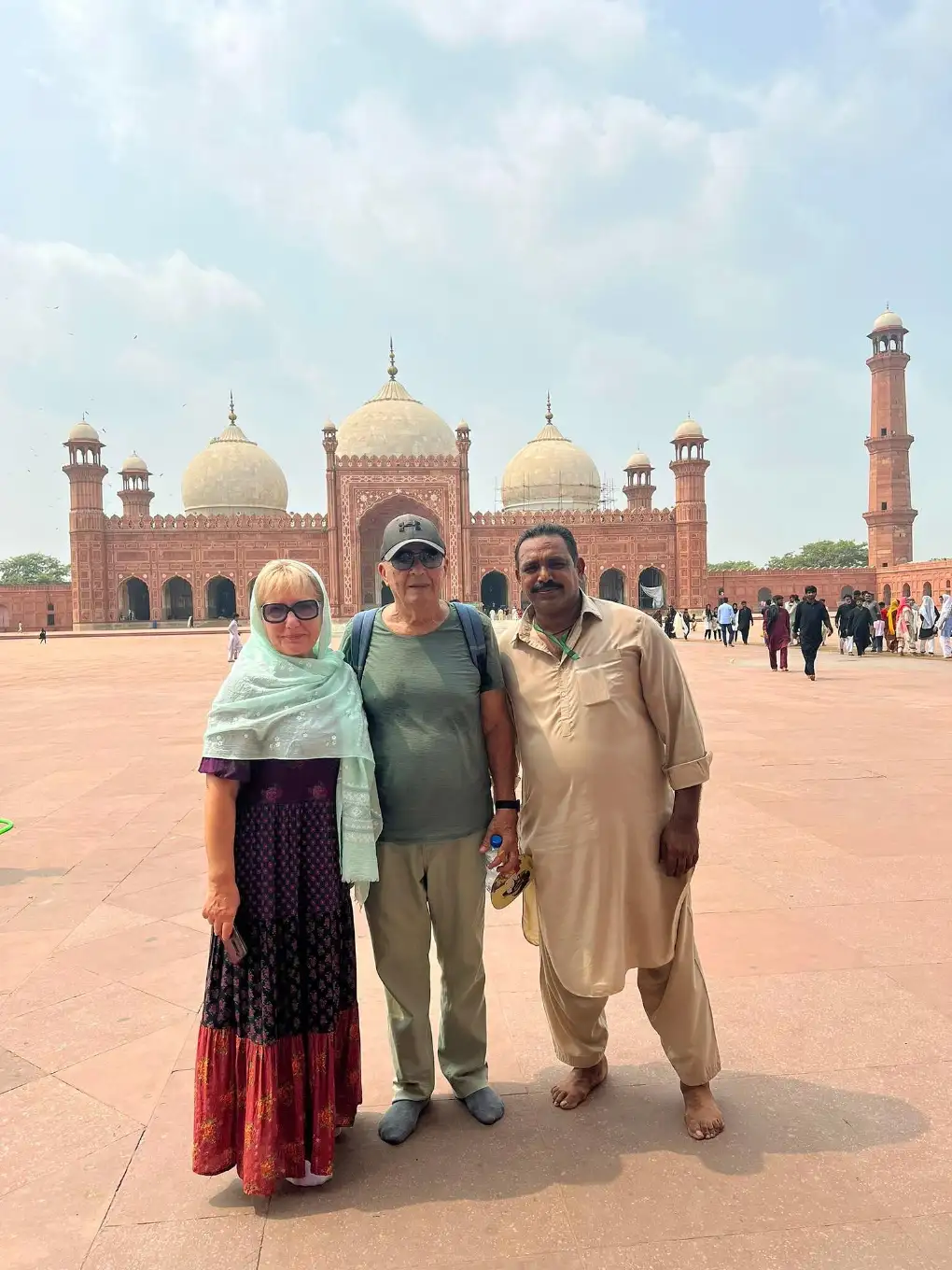
Most international visitors arrive in Islamabad, and many also visit Lahore for its Mughal monuments and food. Both cities are busy, modern places with good hotels, restaurants and hospitals. Security is visible, with checkpoints at hotels and important buildings. Stay aware of local news, avoid demonstrations and large political gatherings, and use hotel-arranged transport or ride-hailing apps at night. A day in Islamabad, at the Faisal Mosque, Margalla Hills and the Lok Virsa museum, is a relaxed way to recover from jet lag before flying north.
Pakistan safety FAQs
Is Hunza safe to visit?
Hunza is one of the most visited and welcoming parts of Pakistan, with very little crime against tourists. Check your government’s latest advice on Gilgit-Baltistan, which some countries rate as high risk, and plan around road and weather conditions.
Is it safe to drive the Karakoram Highway?
The upper section from Gilgit through Hunza to Khunjerab is widely travelled by tourists. Some governments flag the Besham to Chilas section as higher risk, which is why we often fly to Gilgit or Skardu instead.
Do I need a police escort?
Not in Hunza. In some districts, including parts of Chitral, police may assign an escort to foreigners. Your operator arranges this with local authorities.
Will my travel insurance cover Pakistan?
It depends on your policy and your government’s advice for each region. Check this before booking, and choose a policy that covers trekking and helicopter evacuation if you will go above 4,000 m.