
- Chitral, Khyber Pakhtunkhwa, Pakistan
Kalash Valley, Chitral: Tours & Travel Guide
Three hidden valleys in the Hindu Kush, home to the Kalasha people and one of the last living pre-Islamic cultures in South Asia. Come for the festivals, stay for the people.
Kalash valleys: Bumburet, Rumbur, Birir
Valley altitude
Kalasha people
Best season, plus December festival
- About the destination
A living culture in the Hindu Kush
Tucked into the Hindu Kush mountains of Chitral, close to the Afghan border, the Kalash Valley is unlike anywhere else in Pakistan. It is home to the Kalasha people, a community of a few thousand who still follow their own ancient religion, language and customs.
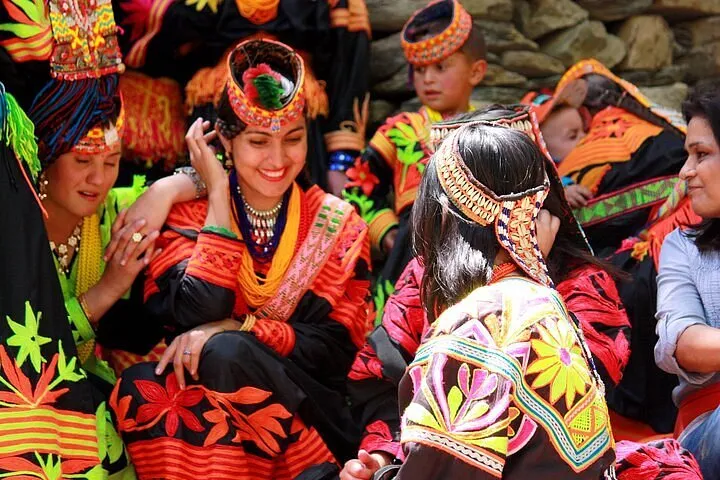
Here you walk past terraced wheat fields, walnut and mulberry orchards, and wooden houses stacked up steep hillsides. Women wear black embroidered robes and beaded headdresses every day, not just for festivals. Three great seasonal festivals fill the valleys with music and dance.
The Kalash region is really three valleys: Bumburet, Rumbur and Birir. Each has its own character, and choosing between them shapes your trip. Below, our local guides explain how to see them respectfully, when to go and how to get there.
Prefer a ready-made route?
Our 10-day Kalash & Chitral tour covers all three valleys.
Local Kalasha guides
Family-run guesthouses in the valleys
- Bumburet, Rumbur & Birir
The three Kalash valleys
Bumburet (Bumboret)
The largest and easiest valley to reach, about 40 km from Chitral town. Most guesthouses, shops and cafés are here, along with the Kalash Museum in Brun village and several Kalasha villages such as Krakal and Anish. Bumburet is the best base for first-time visitors, though it is also the busiest with domestic tourists in summer.
Rumbur (Rumboor)
Narrower, quieter and greener, Rumbur feels the least changed by tourism. Villages like Balanguru and Grom sit beside the river, with a handful of simple Kalasha-run guesthouses. Choose Rumbur if you want slow days, village walks and real conversation with your hosts. A half-day trail links Rumbur and Bumburet for fit walkers.
Birir
The smallest valley, reached by a separate road from Ayun rather than through Bumburet. Birir is considered the most traditional of the three and has few visitor facilities. It hosts the Pul (Prun) grape and walnut harvest festival in autumn, an intimate event that few foreigners ever see.
Which valley should you choose?
- Festivals
Kalash Valley festivals
The Kalasha calendar follows the farming seasons, and three major festivals mark the year. Dates are set by the community and can shift by a few days, so we confirm them with local elders each year before you book flights.
Chilam Joshi – spring festival (around 13–16 May)
The biggest and best-known festival welcomes spring. Expect days of dancing, singing and drumming, with women in new dresses and heavy beadwork. Rituals bless the herds and fields before animals move up to summer pastures. It is the busiest time of year, so guesthouses fill months ahead.
Uchal – summer harvest festival (around 20–22 August)
A thanksgiving for the wheat harvest and the summer's dairy. Shepherds come down from the high pastures, and celebrations run through the day and into the night. Cheese, buttermilk and corn bread are shared. It is smaller and more relaxed than Chilam Joshi.
Choimus (Chawmos) – winter festival (mid to late December)
The most sacred festival, marking the winter solstice and the new year. It includes purification rituals, torch processions and offerings. Some rites are closed to outsiders, so visitors must follow their hosts' guidance closely. Expect snow and cold nights.
Pul (Prun) – autumn festival in Birir (September–October)
A smaller harvest festival celebrating grapes and walnuts, held only in Birir.
Want to time your trip with a festival? Tell us your dates and we'll confirm this year's festival schedule.
- When to visit
Best time to visit Kalash Valley
May to October is the best time to visit, with open roads, mild days and green valleys. Plan around a festival if culture is your priority, or go in September and October for golden walnut trees and fewer crowds.
JUNE – AUGUST
Summer
Warm days, best for walks and the Rumbur–Bumburet trail; Uchal festival in August.
SEPTEMBER – NOVEMBER
Autumn
Golden colours, clear skies, harvest; quieter valleys.
DECEMBER – MARCH
Winter
Snow, cold nights, Choimus festival; Lowari Tunnel roads can be slow.
Plan by month
Kalash month by month
- Must visit
Things to do in Kalash Valley and Chitral
In the Kalash valleys
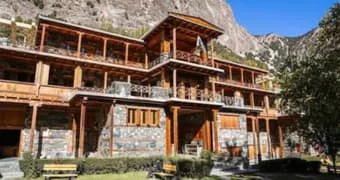
BUMBURET
Kalash Museum, Bumburet
Clothing, jewellery, instruments and ritual objects. Visit first to understand what you will see in the villages.
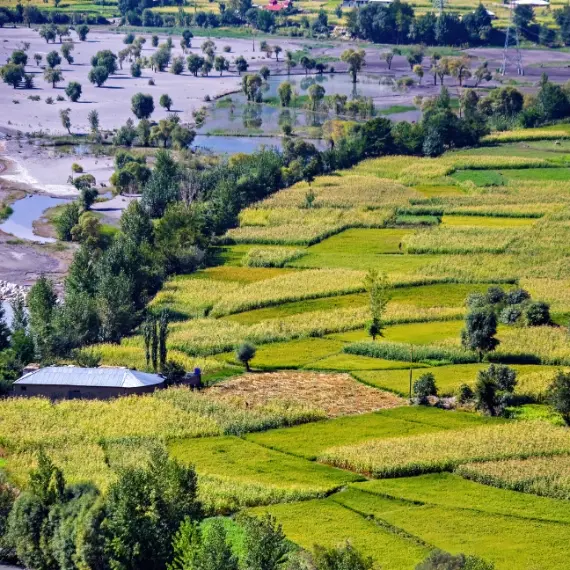
BUMBURET & RUMBUR
Kalasha villages
Walk through Brun, Krakal and Anish in Bumburet, or Balanguru and Grom in Rumbur, with a local guide.
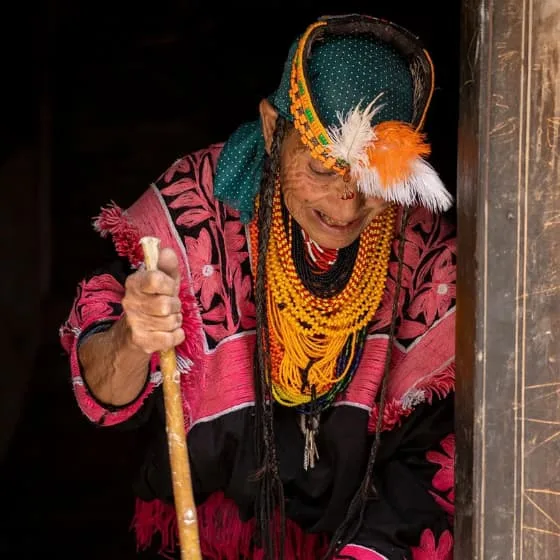
VILLAGE LIFE
Jestak Han and Bashali
The family temple and the women’s house. View only from outside unless your guide says otherwise.
SACRED SITE
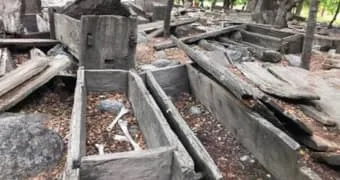
Ancestral graveyards
Wooden coffins resting above ground. A sacred place: keep a respectful distance and do not touch anything.
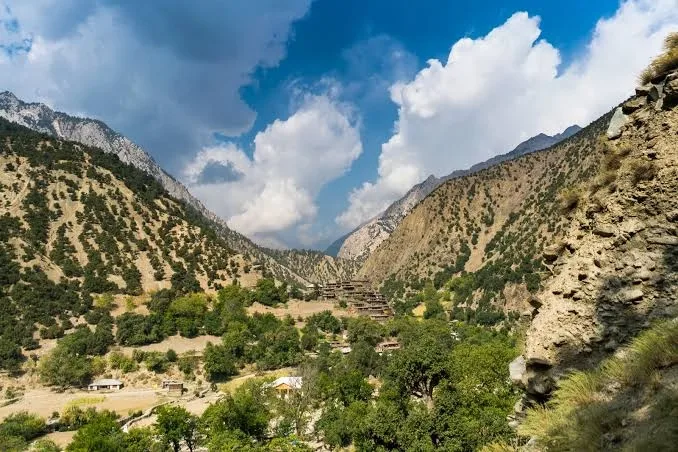
HALF-DAY WALK
Rumbur–Bumburet trail
A half-day walk over the ridge through forest and terraced fields.
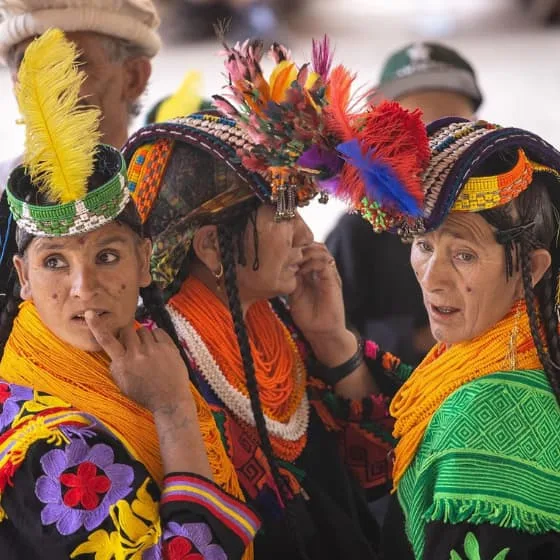
BUMBURET & RUMBUR
Beadwork and handicrafts
Beaded necklaces, embroidered belts and kupas headdresses, made by Kalasha women. Buy directly from the makers in the villages.
Around Chitral
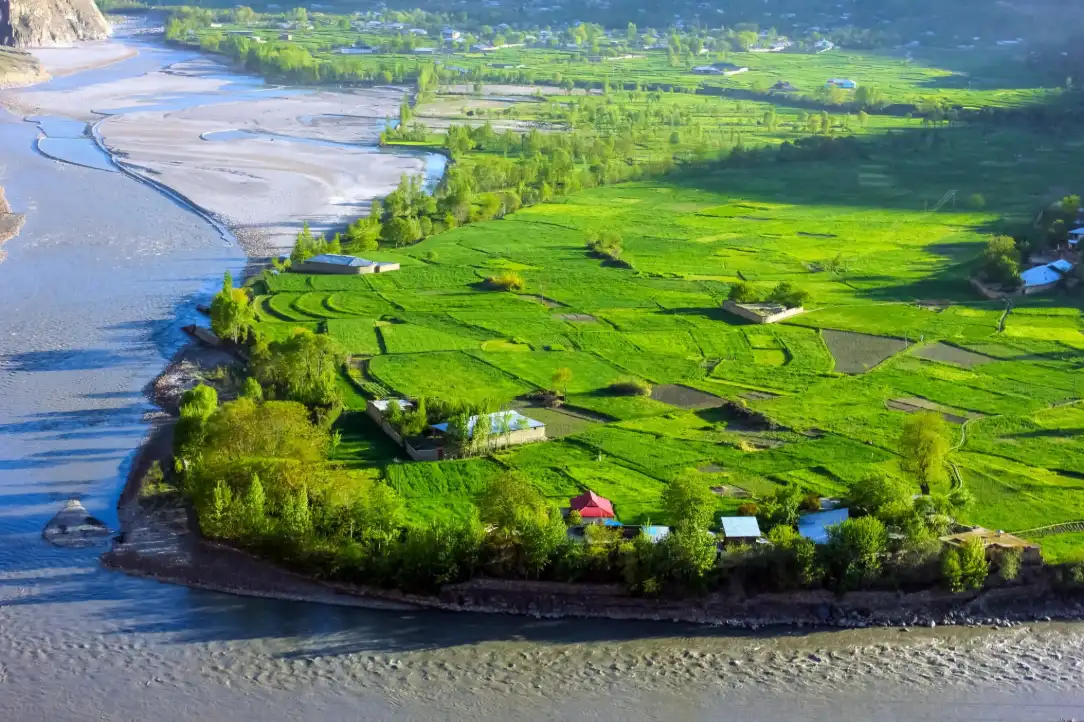
GATEWAY VILLAGE
Ayun
The gateway village where the Bumburet stream meets the Chitral River; Ayun Fort is now a heritage guesthouse.
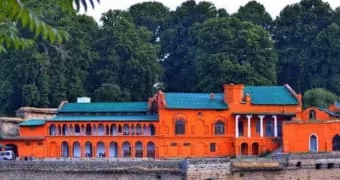
CHITRAL TOWN
Chitral Fort and Shahi Mosque
The former seat of the Mehtars (rulers) of Chitral, on the Chitral River.
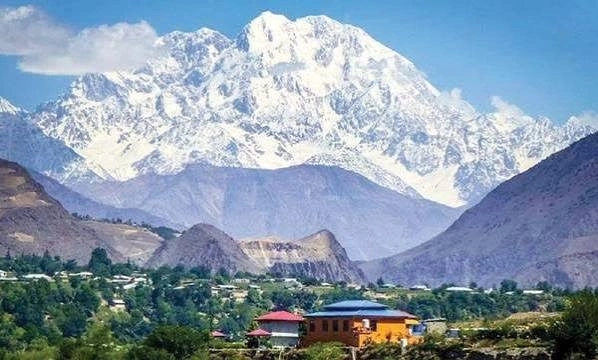
7,708 M
Tirich Mir views
At 7,708 m, the highest peak in the Hindu Kush, visible on clear days from Chitral town.

45 KM FROM CHITRAL
Garam Chashma
Natural hot springs about 45 km from Chitral, good after a long road trip.
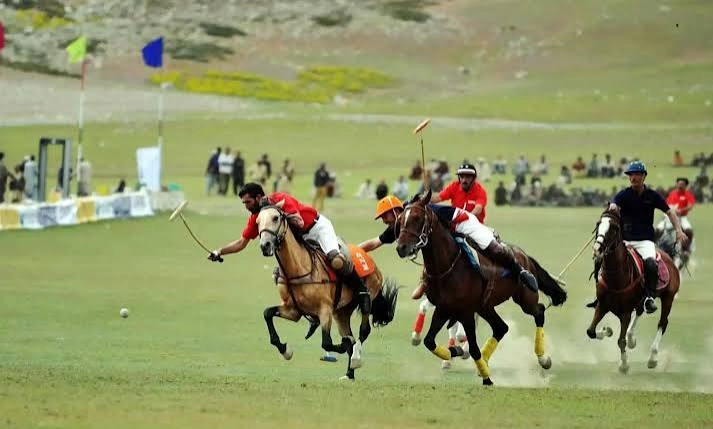
EARLY JULY
Shandur Pass
Combine your trip with the famous freestyle polo festival. Ask us about Shandur dates.
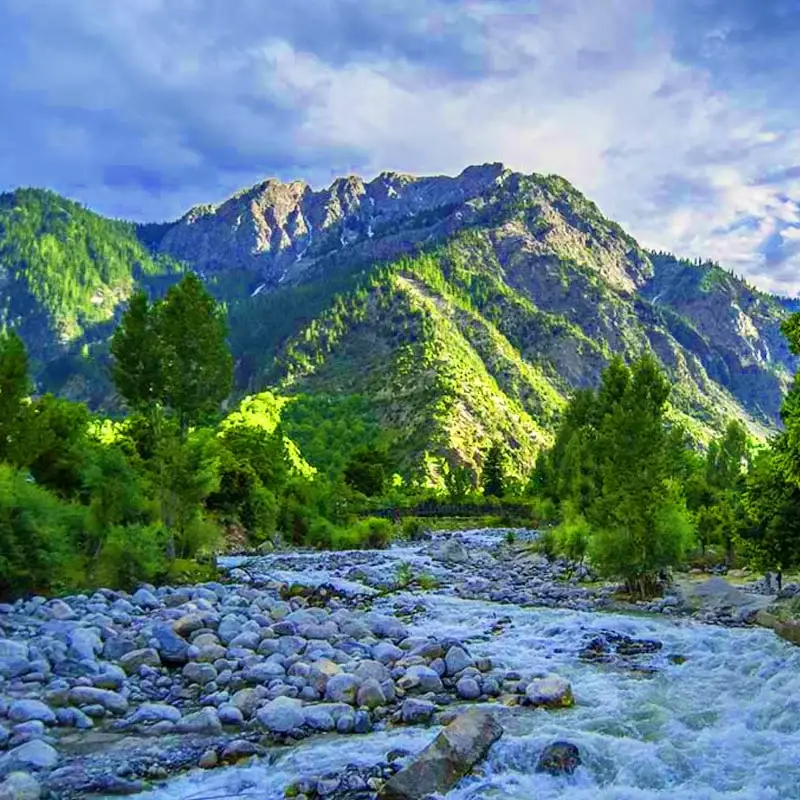
NEAR CHITRAL TOWN
Chitral Gol National Park
Pine and oak forest just above Chitral town, home to the rare Kashmir markhor. A good half-day trip with a local guide.
“We embarked on a long Jeep ride to reach the Kalash valleys, where after a couple of days driving through beautiful valleys we had the opportunity to connect with the Kalash community and its beautiful people.”
— Francisca P., TripAdvisor, November 2025
- Kalasha culture
The Kalash people and their culture
Language
Kalasha, a Dardic language of the Indo-Aryan family, spoken by only a few thousand people.
Religion
An ancient polytheistic faith tied to nature and the seasons, passed down orally with no written scripture.
Dress
The black embroidered robe (cheo) worn daily, with the kupas headdress of cowrie shells and beads for festivals.
Heritage
Suri Jagek, the Kalasha practice of reading the sun and stars to set the farming calendar, is on UNESCO's List of Intangible Cultural Heritage in Need of Urgent Safeguarding.
How to visit respectfully
Tourism has brought both income and pressure to the Kalasha community. Small choices make a big difference:
- Always ask before photographing anyone, especially women and children. Accept a “no” with a smile.
- Never enter the Bashali (women’s house) or sacred sites, and do not touch shrines or coffins.
- Stay in Kalasha-run guesthouses and hire Kalasha guides where you can.
- Buy handicrafts directly from the women who make them.
- Dress modestly; long sleeves and trousers suit both Kalasha and wider Chitrali customs.
- Drink homemade wine only if your hosts offer it.
We work with Kalasha guides and family-run guesthouses so more of your spend stays in the valleys.
- Handpicked packages
Kalash Valley tour packages
Every itinerary is planned by our own team and guided with local Kalasha and Chitrali guides. All tours start and end in Islamabad and can run as private tours on your dates.
10 days
Bestseller
- Islamabad · Chitral · Kalash
The three Kalash valleys with time in Chitral town and its hot springs.
- Bumburet, Rumbur & Birir
- Chitral Fort
- Garam Chashma
From
$1,100
per person
8 days
Culture & cities
- Chitral · Kalash · Peshawar
The Kalash valleys plus the old bazaars of Peshawar. Read our Peshawar travel guide.
- Kalash valleys
- Old Peshawar bazaars
From
$850
per person
Want Kalash plus Hunza Valley? We can combine them via the Shandur Pass in summer. Ask for a custom route.
Looking for more? Explore all our Pakistan tours
Hunza, Skardu, Fairy Meadows, K2 Base Camp and more, all private and guided by our local team.
- Why Harappa
The Harappa Kalash experience
5.0
48 TripAdvisor reviews · Licensed operator
01
Flexible duration
5 to 15-day itineraries, private or small group.
02
Private transport
4×4 vehicles and experienced mountain drivers.
03
Local stays
Kalasha-run guesthouses and heritage hotels.
04
Permits handled
We arrange registration and entry fees for you.
05
Expert guides
Licensed English-speaking guides plus local Kalasha hosts.
- Getting there
How to get to Kalash Valley
International travellers fly into Islamabad, then reach Chitral by air or road. From Chitral it is a short drive to the valleys.
By air: Islamabad to Chitral
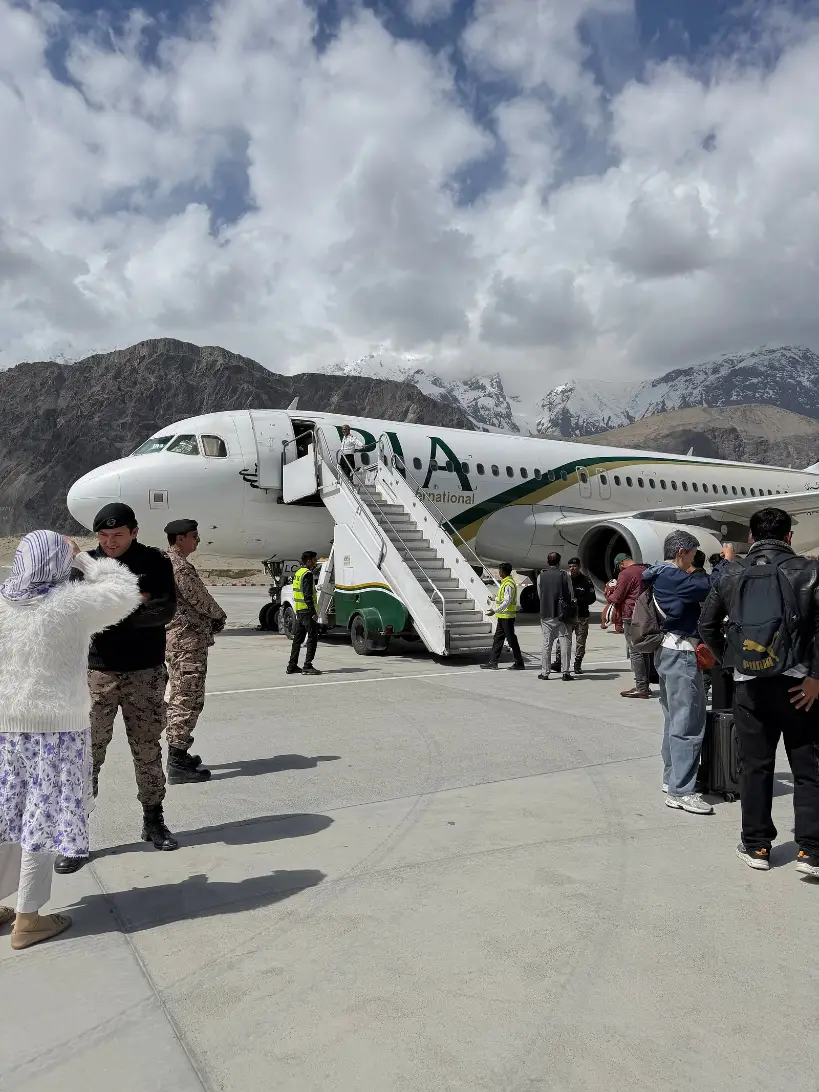
PIA runs short flights from Islamabad to Chitral of about one hour. The views of the Hindu Kush are spectacular. Flights are small and weather-dependent and are often cancelled, so we always keep a road backup in your plan.
By road via the Lowari Tunnel
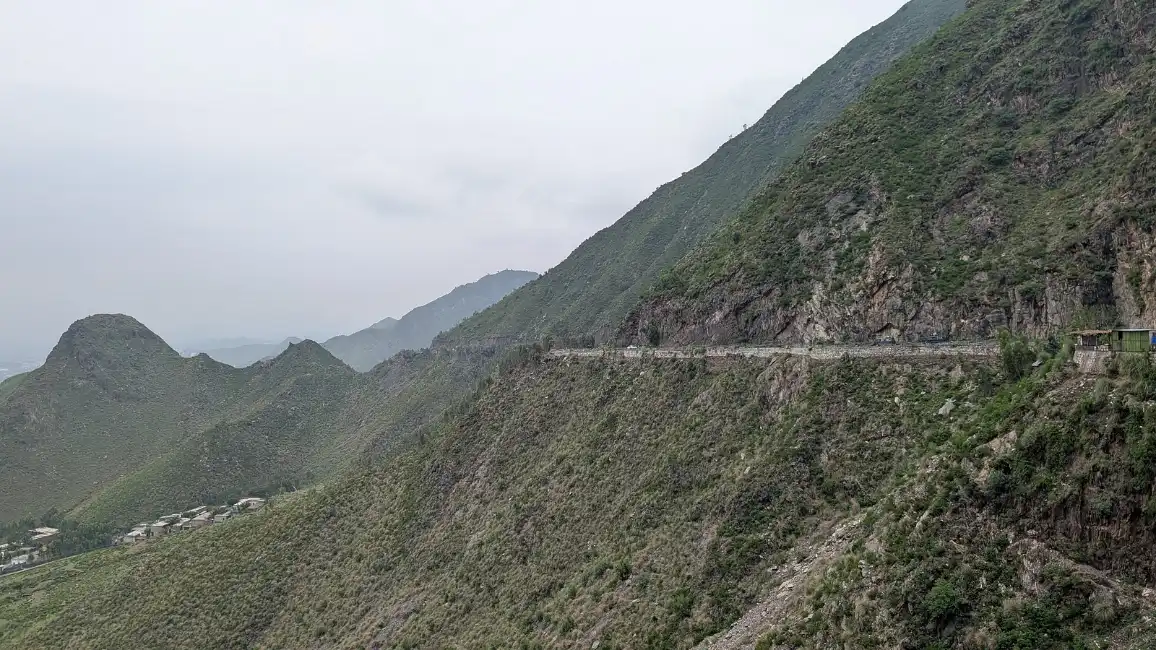
The drive from Islamabad takes roughly 10–12 hours via Swat or Dir and the Lowari Tunnel, which keeps Chitral open year-round. Most of our tours break the journey with a night in Swat or Dir.
Chitral town to the Kalash valleys
From Chitral it is about 1.5–2 hours by 4×4 to Bumburet or Rumbur via Ayun. The final stretch is a narrow mountain road. Birir is reached by its own road from Ayun.
- Travel essentials
Kalash Valley travel guide for international visitors
Everything you need to know before you go, or plan your trip with our team.
Visa, registration and entry fee
Most nationalities apply for a Pakistan e-visa online before travel. Khyber Pakhtunkhwa runs an online NOC registration for foreign tourists, launched in July 2025. Foreigners also pay a valley entry fee at the checkpost, set at Rs1,500 per person in 2023. On our tours we handle the registration and fees for you.
Is Kalash Valley safe?
Chitral and the Kalash valleys are calm and regularly visited by foreign travellers. Police checkposts on the road are routine; keep copies of your passport and visa handy. As with anywhere in Pakistan, check your government's travel advice before booking, and travel with a licensed operator who knows current conditions.
Where to stay
Accommodation is simple but comfortable: family guesthouses with private rooms, hot water and home-cooked meals. Bumburet has the widest choice; Rumbur has a few Kalasha-run homestays; Birir has very little. Ayun Fort and hotels in Chitral town suit travellers wanting more comfort.
How many days do you need?
Allow at least 2–3 nights in the valleys, plus 2 days each way from Islamabad by road. A comfortable Kalash and Chitral trip is 7–10 days.
Practical tips
Carry Pakistani rupees; ATMs are in Chitral town but not in the valleys.
Mobile signal is patchy; a local SIM works in Chitral and parts of Bumburet.
Layers and a warm jacket even in summer, good walking shoes, a torch.
The valleys sit around 2,000 m, so altitude sickness is rarely an issue.
- Local food
What to eat in Kalash and Chitral
Chitrali food is hearty mountain cooking built on wheat, dairy, walnuts and fresh river fish.
Chapshoro
Flatbread stuffed with spiced minced meat and onion; Chitral's favourite street food.
Salted milk tea
Pink, salty tea with milk, served everywhere in Chitral.
Walnut bread
Kalasha bread layered with crushed walnuts and cheese, made especially at festivals.
Fresh trout
Brown and rainbow trout from Garam Chashma and local streams, grilled or fried.
Mulberries and walnuts
Dried and eaten as an energy snack on long journeys.
Kalasha grape wine
Homemade and ceremonial; accept only if your hosts offer it.
- Before you travel
Kalash Valley FAQs
Permits, safety, festivals and photography: the questions travellers ask us most before a Kalash trip.
Still have a question?
Message our team on WhatsApp, 8:00 AM – 11:00 PM Pakistan time.
Where is Kalash Valley?
In Chitral district, Khyber Pakhtunkhwa, northern Pakistan, in the Hindu Kush mountains near the Afghan border.
What is the best time to visit Kalash Valley?
May to October for weather; mid-May (Chilam Joshi) or late August (Uchal) for festivals. December is cold but hosts the Choimus festival.
How do I get to Kalash Valley from Islamabad?
Fly to Chitral (about 1 hour, weather permitting) or drive 10–12 hours via the Lowari Tunnel, then 1.5–2 hours by 4×4 to the valleys.
Is Kalash Valley safe for foreign tourists?
Yes, the area is calm and regularly visited. Carry your passport and visa copies for checkposts and check your government’s travel advice.
Do foreigners need a permit to visit Kalash Valley?
Foreign tourists register through the Khyber Pakhtunkhwa online NOC system and pay a valley entry fee. On our tours, we arrange both.
Which Kalash valley is best to visit?
Bumburet for easy access and facilities, Rumbur for quiet village life, Birir for the most traditional experience.
How many days do I need for a Kalash Valley tour?
At least 2–3 nights in the valleys; 7–10 days in total from Islamabad.
Can I take photos of the Kalash people?
Only with permission. Many women prefer not to be photographed, and some rituals are off-limits to cameras.
How much does a Kalash Valley tour cost?
Our private Kalash and Chitral tours start from US$1,100 per person, depending on group size, season and hotels. See the 10-day tour.
- Start planning
Ready to plan your Kalash Valley trip?
The Kalash valleys reward travellers who come slowly and with curiosity. Whether you want to dance at Chilam Joshi, walk between villages, or simply share salted tea with a Kalasha family, we’ll build the trip around you.
Tell us your dates and interests and our team will reply within 24 hours with a suggested itinerary and price. We handle transport, guides, permits and stays, so you can focus on the experience.
- WhatsApp +92 311 8812 885
- 8:00 AM – 11:00 PM PKT, 7 days
- Kalan Ganish, Hunza Valley 15700, Gilgit-Baltistan
Get your free itinerary
Fields marked * are required.
Prefer to chat? Message us on WhatsApp at +92 311 8812 885, 8 AM to 11 PM Pakistan time, seven days a week.
Licensed & registered in Pakistan
Government-licensed tour operator, PATO member and TripAdvisor-rated 5.0.






A licensed tour operator from Ganish, Hunza. We plan, drive and guide private and small-group journeys across Pakistan — from K2 Base Camp to the Kalash valleys.
Destinations
Get in Touch
+92 311 8812 885
harappa.tnt@gmail.com
Office
Kalan Ganish, Hunza Valley 15700, Gilgit-Baltistan
Open 7 days
8:00 AM – 11:00 PM (PKT)
© 2026 Harappa Tour & Travel · Licensed tour operator, Hunza Valley, Pakistan