Quick answer: Hunza is best from mid-April to late October. Plan at least 5 to 6 days from Islamabad so you are not rushing the Karakoram Highway. Base yourself in Karimabad, and give one full day each to Upper Hunza (Attabad, Passu, Khunjerab) and to the old forts and villages of Central Hunza.
I was born a few minutes’ walk from the Karakoram Highway in Ganish, the oldest village in Hunza. For more than ten years I have planned and guided trips through this valley for travellers from all over the world. This guide is what I tell guests before they arrive: when to come, how to get here, what is worth your time, and the small things that make a Hunza trip go smoothly.
Where is Hunza Valley?
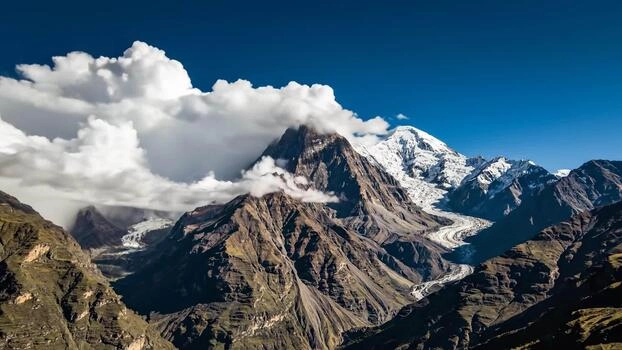
Hunza sits in Gilgit-Baltistan in the far north of Pakistan, along the Karakoram Highway between Gilgit and the Chinese border at Khunjerab Pass. Most visitors think of it as one valley, but locals split it into three parts:
- Lower Hunza (Nagar side, Nilt, Minapin): the first big views of Rakaposhi.
- Central Hunza (Karimabad, Altit, Ganish, Duikar): the forts, the bazaar and most hotels. Karimabad is around 2,400 to 2,500 m.
- Upper Hunza / Gojal (Attabad Lake, Gulmit, Passu, Sost): the Passu Cones, suspension bridges and the road to Khunjerab.
Best time to visit Hunza
Every season here has a different face. This is how I explain it to guests:
| Season | Months | What you get | Keep in mind |
|---|---|---|---|
| Spring | Late March to April | Cherry and apricot blossom across Karimabad and Altit | Cold nights, some high roads still closed |
| Summer | May to August | Green fields, long days, all treks open | Busiest season, book hotels early; landslides after heavy rain |
| Autumn | September to October | Golden poplars, clear skies, the best photography | Late October gets cold; my favourite time of year |
| Winter | November to March | Snow, empty viewpoints, local winter festivals | Very cold, some hotels close, flights often delayed |
If you only have one chance, come in the first three weeks of October. The light is soft, the crowds are gone and the valley turns yellow and red.
How to get to Hunza
By air: Islamabad to Gilgit
The quickest way is a one-hour flight from Islamabad to Gilgit, then about 2.5 to 3 hours by road to Karimabad. The flight is beautiful, with Nanga Parbat out of the window, but it only operates in clear weather. Always keep a spare day in your plan, because cancellations are normal, not a disaster.
By road: the Karakoram Highway
The road journey from Islamabad takes two days with a night stop on the way. In summer, the route over Babusar Pass and Naran is the scenic option. Road conditions and travel advisories change during the year, so we decide the route close to your departure date and switch to flights when that is the safer or quicker choice. Read our guide to safety in Pakistan for the current picture.
Saleem’s tip: Fly in and drive out. Flying to Gilgit saves you a long day at the start, and driving back down the Karakoram Highway at the end lets you enjoy the road when you are already acclimatised and relaxed.
Top things to do in Hunza
1. Baltit Fort and the old Karimabad bazaar
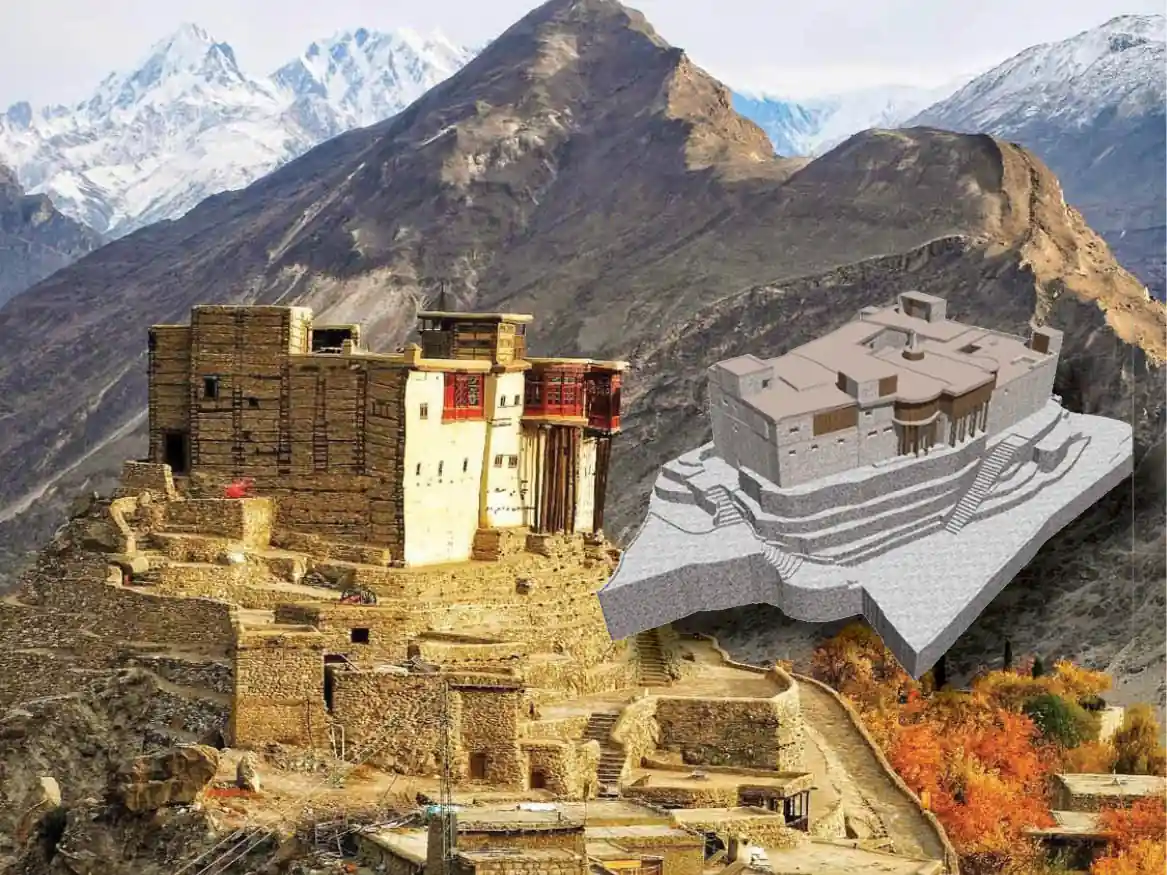
Baltit Fort has watched over Karimabad for around 700 years and was the palace of the Mirs of Hunza until 1945. A guided tour takes about 45 minutes and the view from the roof over the whole valley is worth the climb. Afterwards, walk down through the bazaar for apricots, dry fruit, woven caps and gemstones.
2. Altit Fort and the royal garden
Altit Fort is even older than Baltit, with parts dating back around a thousand years. It stands on a cliff right above the Hunza River. The garden below it is a lovely place for tea and apricot cake.
3. Ganish, the oldest village in Hunza
This is my home village, so I am biased, but Ganish is a real living village, not a museum. It has old watchtowers, carved wooden mosques and a central pond where families still meet. The conservation work here won a UNESCO Asia-Pacific heritage award. Please walk quietly, ask before taking photos of people, and use a local guide so the money stays in the village.
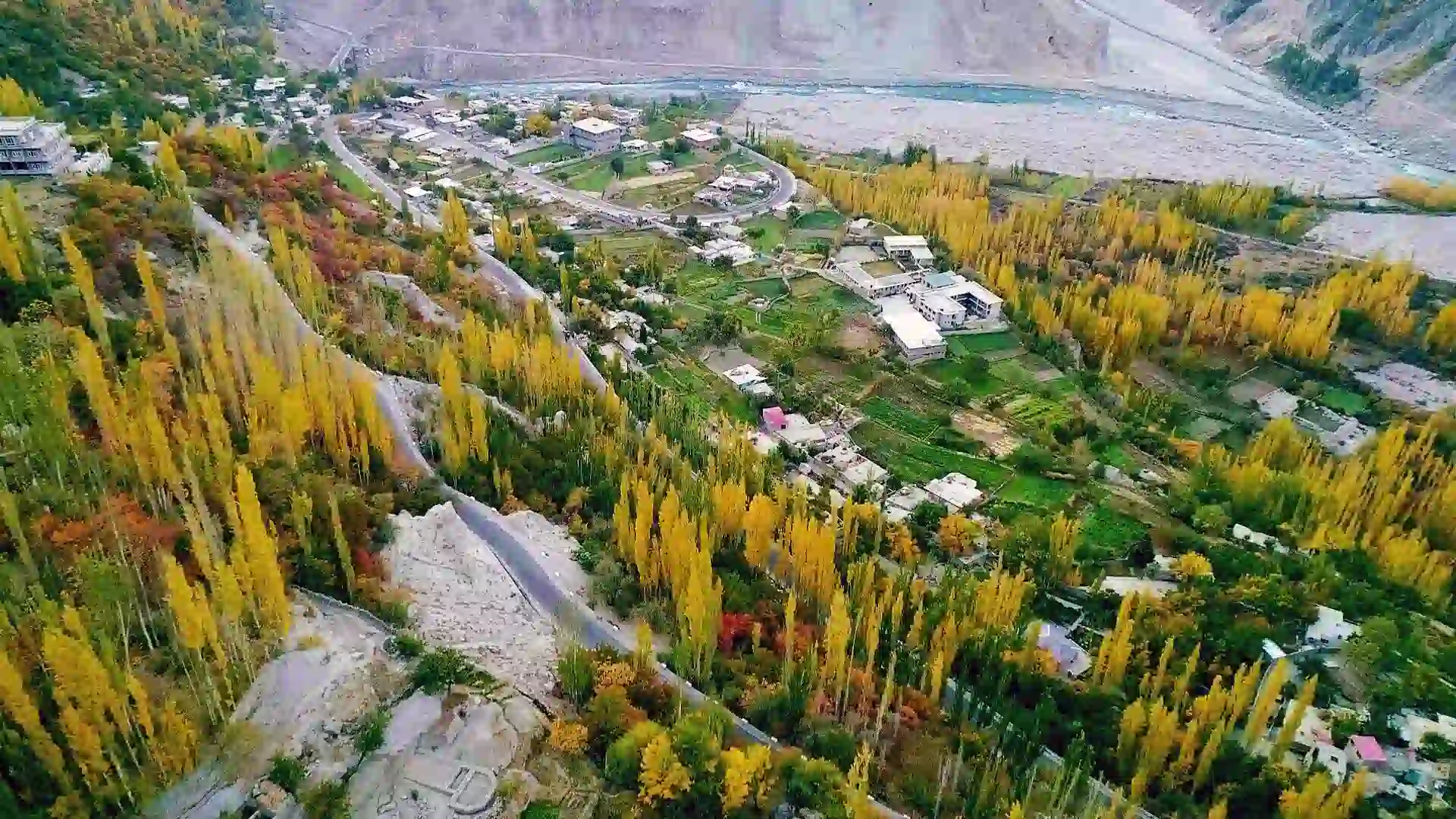
4. Eagle’s Nest at Duikar for sunrise or sunset
Duikar sits high above Karimabad. From here you see Rakaposhi, Ultar Sar, Lady Finger and the whole valley lighting up. Go for sunrise if you can handle an early start. Sunset is easier and still beautiful.
5. Attabad Lake
Attabad Lake formed after a huge landslide blocked the Hunza River in January 2010. Today its turquoise water is one of the most photographed places in Pakistan. You can take a boat ride or a jet ski, or just sit by the water with a cup of tea.
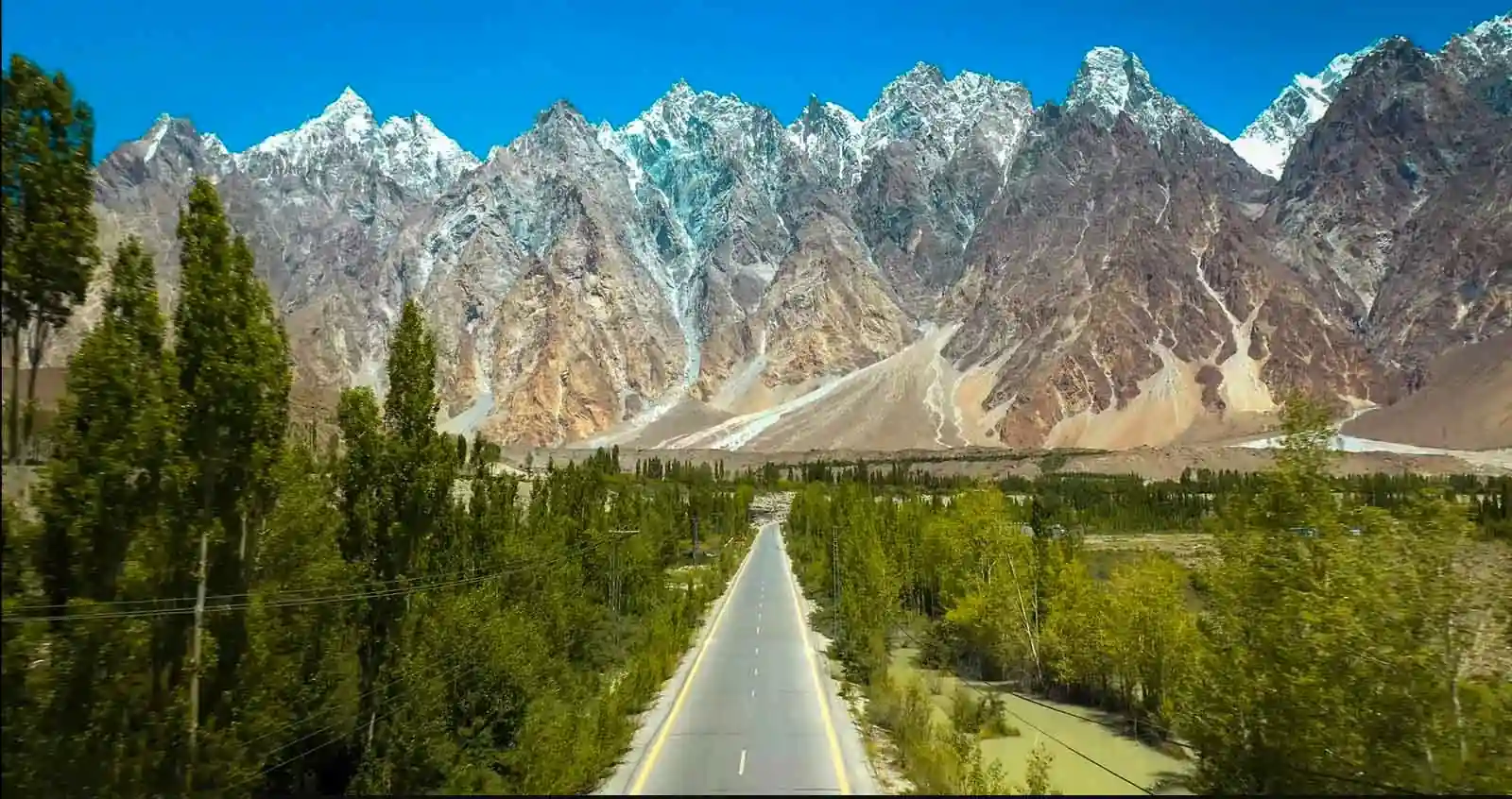
6. Passu Cones, Hussaini bridge and Borith Lake
In Upper Hunza the mountains change shape. The jagged Passu Cones are unforgettable. The Hussaini suspension bridge is a test of nerves and a lot of fun. Borith Lake is a short, quiet walk with views of the Passu Glacier.
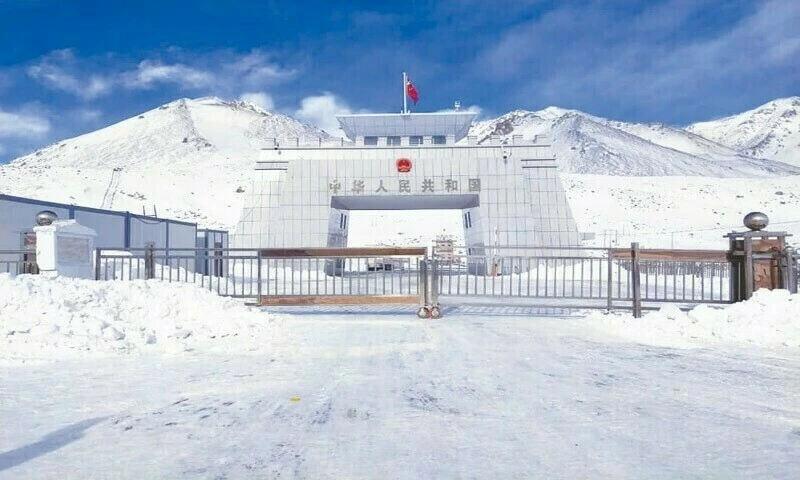
7. Khunjerab Pass, the Pakistan–China border
At around 4,700 m, Khunjerab is the highest paved border crossing in the world. It is a full-day trip from Karimabad through Khunjerab National Park, where you may spot marmots, ibex or yaks. Foreigners pay a national park entry fee. The air is thin up there, so walk slowly and do not stay too long. Our altitude guide explains why.
8. Short hikes: Ultar meadow, Hoper and Rakaposhi viewpoints
For a half-day walk, the trail to Ultar meadow above Karimabad is steep but rewarding. Trail conditions change after rockfall, so check with us before you go. In Nagar, Hopar (Hoper) Glacier is an easy drive from Karimabad. At Rakaposhi View Point in Ghulmet there is a mountain rising almost 6,000 m straight above the road.
What to eat in Hunza
Hunza food is simple, fresh and not spicy. Try chapshuro (a meat-filled flatbread), diram fitti (sprouted wheat bread with apricot oil), hoilo garma (greens with handmade noodles), walnut cake and Hunza tea. Read our full Pakistani food guide for where and what to order.
Sample Hunza itinerary (6 days)
- Day 1: Fly Islamabad to Gilgit, drive to Karimabad, sunset at Duikar.
- Day 2: Baltit Fort, Altit Fort, Ganish village walk.
- Day 3: Attabad Lake, Passu, Hussaini bridge, Borith Lake.
- Day 4: Khunjerab Pass day trip.
- Day 5: Hopar Glacier and Rakaposhi viewpoint, drive to Gilgit.
- Day 6: Fly to Islamabad (or drive if flights are cancelled).
This is the plan we follow on our 6-day Hunza Valley and Khunjerab Pass tour. With more time, add Skardu on the 10-day Hunza and Skardu tour, or Nanga Parbat on the Hunza and Fairy Meadows tour.
Where to stay in Hunza
Karimabad and Altit are the best bases for a first visit, as the forts, cafés and viewpoints are all within reach. Aliabad has more mid-range hotels. Gulmit and Passu are quieter and good for a night in Upper Hunza. In peak season (May to October) the best rooms with a view sell out weeks ahead, which is one reason many travellers let a local operator book for them.
Practical tips from a local
- Dress: Hunza is relaxed but conservative. Cover shoulders and knees in villages.
- Cash: There are ATMs in Aliabad and Karimabad, but carry enough Pakistani rupees for Upper Hunza.
- Connectivity: Mobile data works in most of Central Hunza. It is patchy in Upper Hunza and missing at Khunjerab.
- Permits: No special permit is needed for Hunza itself. Keep copies of your passport and visa, as there are police checkposts on the highway.
- Respect: Most people in Hunza are Ismaili Muslims. Ask before photographing women and do not fly drones over villages or forts without permission.
Plan Hunza with a local team. We are a licensed tour operator from Ganish. We will build your route around flights, weather and the season.
Side trips from Hunza: Nagar, Hopar and beyond
Across the river from Karimabad lies Nagar, Hunza’s old neighbour and historic rival. Most visitors only see it from the highway, which is a shame. The drive up to Hopar takes about an hour. At the top, a short walk takes you to the edge of the Bualtar (Hopar) Glacier, a grey river of ice that cracks and groans in summer. In autumn the villages of Nagar are some of the most colourful in the whole region. People in Nagar are mostly Shia Muslims and a little more conservative than in Hunza, so dress modestly and ask before taking photos.
If you have an extra day, Minapin is the starting point for the trek to Rakaposhi Base Camp. It is a long but beautiful day hike through forest and meadow to a viewpoint below one of the steepest mountain faces on earth. We usually make it an overnight trek with a stay at the base camp meadow.
Further north, Shimshal is one of the most remote villages in Pakistan, reached by a narrow road off the Karakoram Highway. It is famous for its mountaineers and its yak herders, and is a great option for travellers who want to stay with a family and see village life away from the tourist trail.
How much does a Hunza trip cost?
Hunza can suit very different budgets. What changes the price most is not the hotel but the transport. A private car with a driver from Islamabad, or flights to Gilgit plus a 4×4 for the valley, make up the biggest part of the cost. Hotels range from simple family guesthouses to boutique hotels with views of Rakaposhi. Food is good value everywhere. Entry fees for the forts and Khunjerab National Park are paid on the spot.
For a private tour, the main things that affect the price are:
- the number of travellers sharing the vehicle,
- the season (peak summer is the most expensive),
- the hotel category you choose,
- flights versus driving, and
- extra days for treks or side valleys.
Our tour pages show the current per-person price, and we will always quote you a full price with nothing hidden before you book.
What to pack for Hunza
- Layers: even in summer, mornings and evenings are cool. Bring a warm fleece and a light down jacket for Khunjerab.
- Good shoes: walking shoes with grip for fort stairs, village lanes and short hikes.
- Sun protection: sunglasses, sunscreen and a hat. The sun is strong at altitude.
- Power bank: load-shedding (power cuts) still happens in the valleys.
- Cash in small notes: for village shops, tips and tea stops.
- A scarf: useful for visiting mosques and for women in conservative villages.
Hunza Valley FAQs
How many days do I need in Hunza?
Plan at least 4 nights in Hunza itself, plus travel days from Islamabad, so 6 days in total is a good minimum. With 8 to 10 days you can add Skardu or Fairy Meadows.
Is Hunza safe for foreign tourists?
Hunza has a strong record of welcoming foreign visitors and very low crime. Always check your government’s travel advice before booking and travel with a licensed local operator. See our safety guide.
Can I visit Hunza in winter?
Yes. Winter is quiet and beautiful, with frozen lakes and snow on the forts. Many hotels close and flights are often delayed, so allow extra time.
Do I need a permit for Khunjerab Pass?
You do not need a special permit to visit the Pakistani side of Khunjerab Pass, but foreigners pay the Khunjerab National Park entry fee. Crossing into China needs a Chinese visa arranged in advance.
Is Hunza or Skardu better for a first trip?
Hunza is easier for a first visit, with forts, villages and big views right by the road. Skardu is wilder, with deserts, lakes and the gateway to K2. If you can, do both.