Quick answer: Must-try Pakistani dishes include chapli kebab and Peshawari pulao in Peshawar, nihari, haleem and karahi in Lahore, biryani in Karachi, and in the north chapshuro, diram fitti, hoilo garma, mamtu and walnut cake. Start the day with halwa puri, drink doodh patti chai everywhere, and try Hunza’s apricot dishes in summer.
For most of our guests, food becomes one of the highlights of Pakistan, sometimes even more than the mountains. Pakistani cooking is generous, rich and deeply regional. The food of Lahore has little in common with the food of my home in Hunza. After more than ten years of eating my way across the country with travellers, here is my guide to what to eat, where, and how to enjoy it safely.
What makes Pakistani food special?
Pakistani cuisine sits where South Asia meets Central Asia and Persia. It shares many dishes with North India, such as curries, breads and biryani, but it is more meat-focused and leans towards the grills, pilafs and kebabs of Afghanistan and Central Asia. Every province has its own style. Punjab is rich and buttery, Khyber Pakhtunkhwa is all about meat and fire, Sindh is spicy, Balochistan slow-roasts, and Gilgit-Baltistan cooks simple, mild food from the mountains. Almost all meat is halal, and bread, rather than rice, is the everyday staple.
Breakfast like a local
- Halwa puri: deep-fried puri bread with sweet semolina halwa, chickpea curry and potato. A weekend favourite in Lahore and Rawalpindi.
- Paratha and omelette: flaky fried flatbread with an onion-chili omelette, the standard roadside breakfast.
- Nihari: slow-cooked beef or mutton stew, traditionally eaten at dawn in Lahore and Karachi.
- Lassi: a thick yoghurt drink, sweet or salty.
Must-try dishes in Punjab and Lahore
Lahore is Pakistan’s food capital, and people here live to eat. Do not miss:
- Karahi: chicken or mutton cooked fast in a wok-like pan with tomatoes, ginger and green chili.
- Lahori charga: whole steamed and fried spiced chicken.
- Haleem: a slow-cooked mix of wheat, lentils and meat, topped with fried onions and lemon.
- Paye: trotters cooked overnight, a rich winter breakfast.
- Fish: spicy fried fish in winter at the old food streets.
- Sweets: gulab jamun, jalebi and kheer rice pudding.
Peshawar and Khyber Pakhtunkhwa: meat and fire
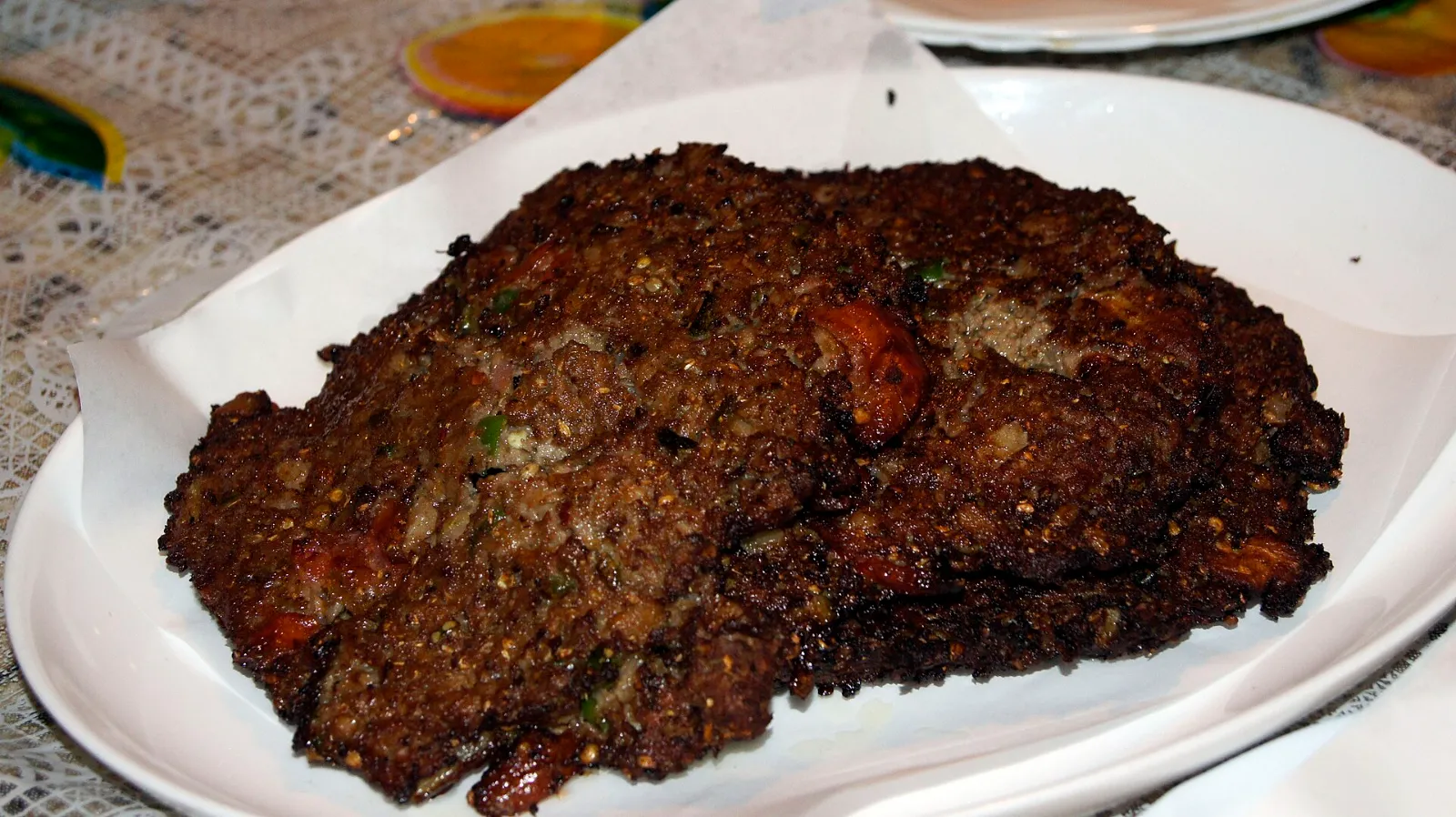
Peshawar’s food is simple and spectacular. The chapli kebab, a flat, spiced minced-meat patty fried in a huge pan of fat, is legendary. Namak mandi is famous for lamb karahi and tikka cooked with little more than salt, tomatoes and fat. Peshawari or Kabuli pulao is rice cooked in meat broth, topped with carrots and raisins. Wash it all down with green tea, known locally as kahwa. Read more on our Peshawar page.
Sindh and Karachi
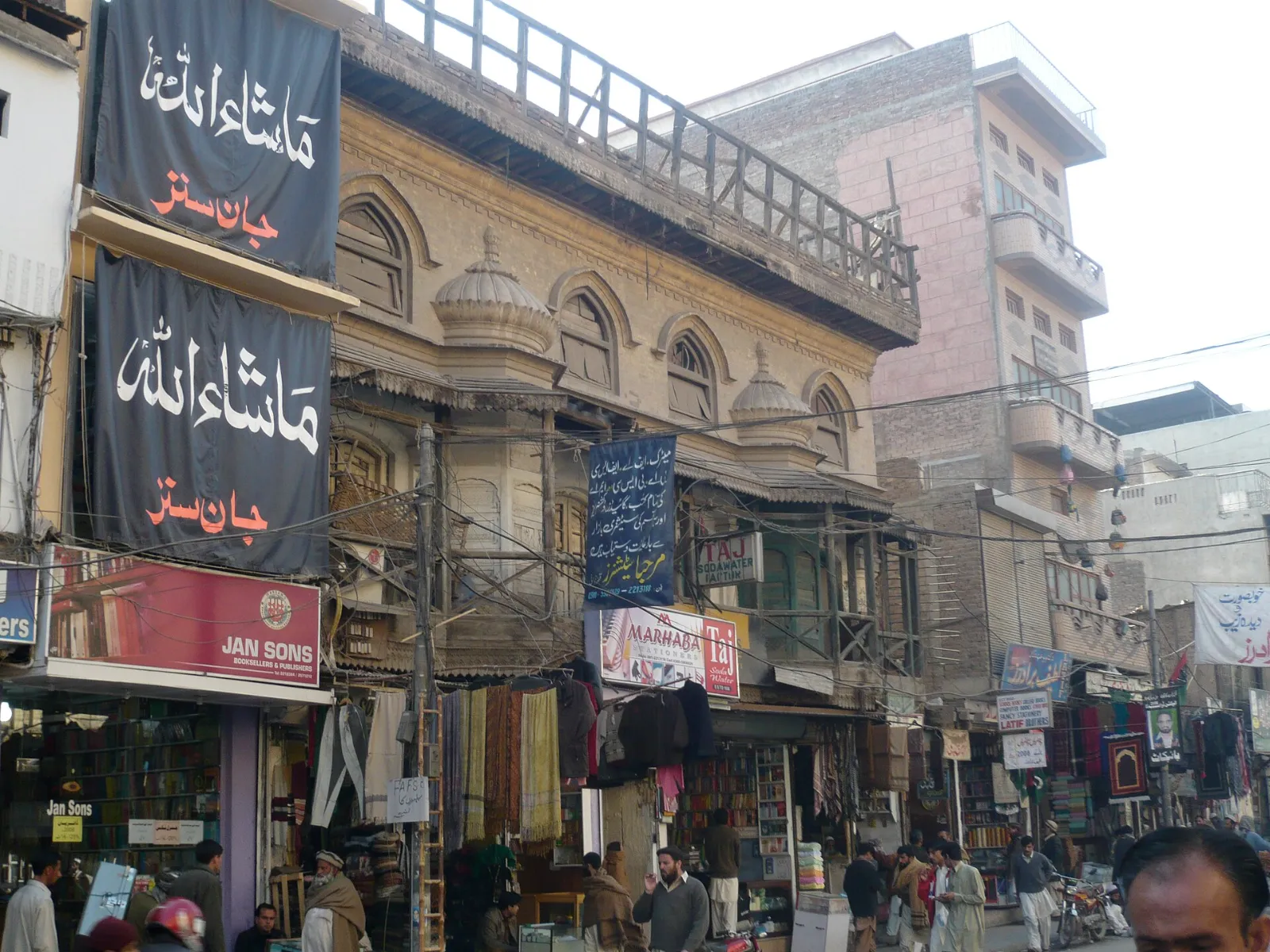
Karachi is the home of Sindhi biryani, layered spicy rice with meat and potatoes. The city’s street food is famous across the country: bun kebab, chaat, gol gappay (crispy shells filled with tangy water) and fresh seafood. If you visit Mohenjo-daro or Thatta, try the local sai bhaji, a spinach and lentil stew.
Balochistan’s slow roasts
Sajji, whole lamb or chicken marinated with salt and roasted slowly around a fire, is the classic Baloch dish. You can try good sajji in Islamabad and Lahore, even if you do not travel to Balochistan. Dumpukht, meat sealed in a pot and cooked in its own juices, is another favourite.
The food of the north: Hunza, Baltistan and the mountains
This is my home cooking, so I will spend a little longer here. Mountain food is simple, mild, and made from what grows in high valleys: wheat, barley, buckwheat, apricots, walnuts, potatoes, yak and goat meat, milk and butter. Unlike food in the plains, it is rarely spicy.
- Chapshuro: a round bread stuffed with minced meat, onion and herbs, baked or fried. The most famous Hunza dish.
- Diram fitti: bread made from sprouted wheat flour, served with apricot kernel oil or butter.
- Hoilo garma: greens cooked with handmade noodles or dough pieces, a comforting village dish.
- Daudo (dawdo) soup: a noodle and vegetable soup, perfect on a cold evening.
- Mamtu: steamed meat dumplings, popular in Gilgit and Baltistan.
- Harissa: a winter dish of meat and wheat pounded together with butter.
- Giyaling: buckwheat pancakes, often eaten with apricot jam or honey.
- Walnut cake and apricot cake: the classic café treats in Karimabad.
- Salt tea: in Wakhi and Balti homes, tea is made with milk, salt and butter, especially in winter.
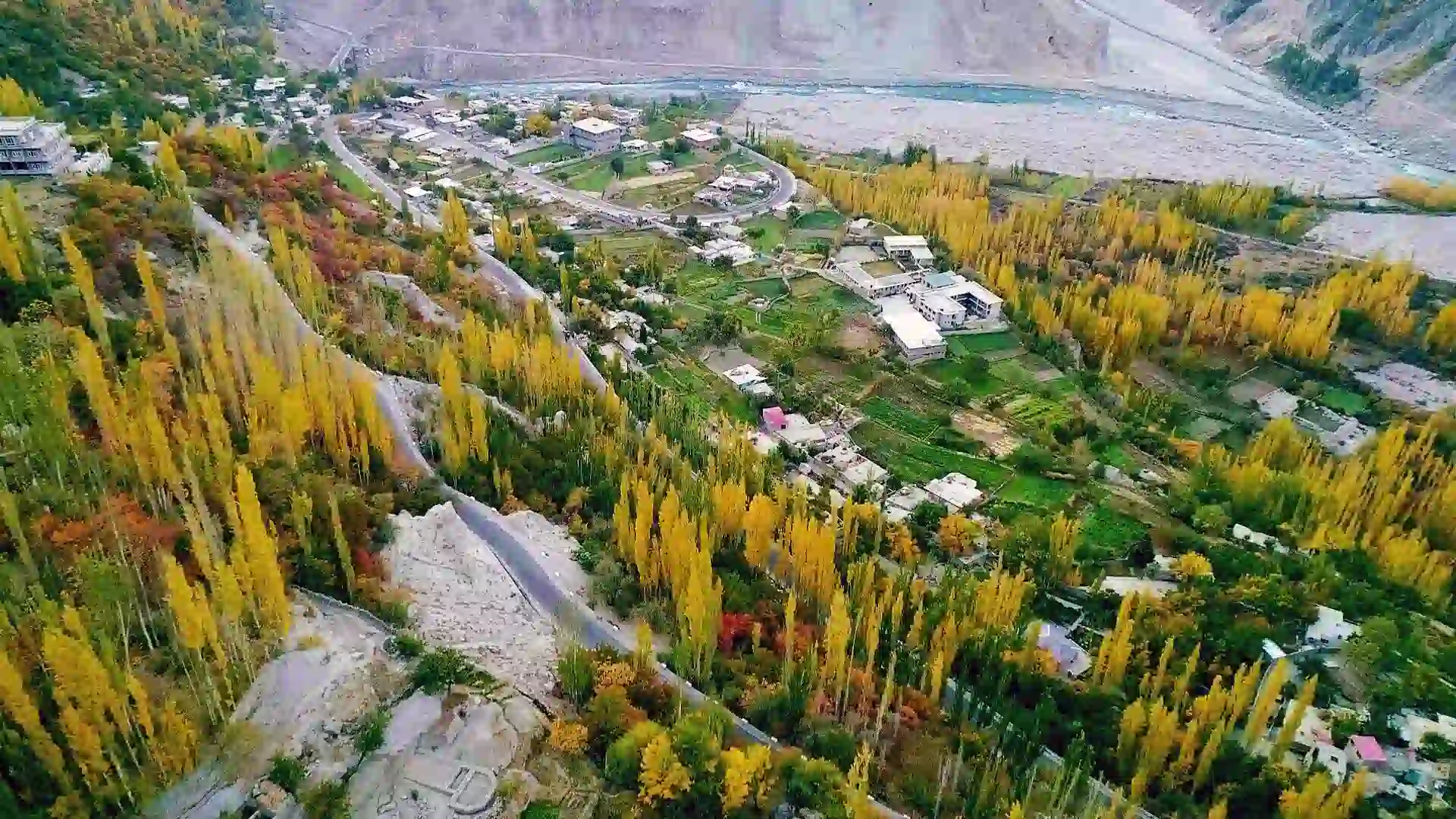
In summer, apricots are everywhere. In Hunza they are dried on rooftops, pressed for oil and used in soups and sweets. Try fresh mulberries in June, cherries in early summer, and apples and walnuts in autumn. Learn more about mountain life in our guide to the culture of Gilgit-Baltistan and our Hunza Valley travel guide.
Tea culture
Tea is the social glue of Pakistan. Doodh patti is tea leaves boiled in milk and sugar, strong and sweet. Kashmiri chai (pink tea) is made with green tea, baking soda and milk, topped with nuts, and is a winter and wedding favourite. Kahwa, green tea with cardamom, is served after meals in Peshawar and the north. If someone invites you for tea, say yes. It is rarely only tea.
Saleem’s tip: Order the “daal of the day” with fresh roti at any busy roadside dhaba on the Karakoram Highway. It is cheap, fresh, vegetarian and often the best meal of the drive.
Vegetarian and special diets
Pakistan is a meat-loving country, but vegetarians eat very well. Look for daal (lentils), chana (chickpeas), aloo gobi, bhindi (okra), saag (spiced greens) and vegetable pulao. In the north, many traditional dishes are vegetarian. Vegan travellers should ask about ghee and cream. For allergies, carry a note in Urdu explaining what you cannot eat. Your guide can help when ordering.
Eating safely
- Choose busy places with a high turnover of food.
- Eat food that is cooked fresh and served hot.
- Drink bottled or filtered water and avoid ice in small roadside places.
- Peel fruit or wash it with clean water.
- Go slowly with rich, oily dishes in the first days.
Our health guide has more tips on staying well on the road.
Table manners
- Eat with your right hand, tearing bread to scoop up curry.
- Wait for the host or elders to start.
- Expect to be offered seconds and thirds. Leaving a little on your plate shows you are full.
- In homes, food is often served on a cloth on the floor. Sit cross-legged and do not point your feet at the food.
Street food you should not miss
- Samosa and pakora: fried snacks with chutney, perfect with tea on a rainy afternoon.
- Gol gappay: crisp hollow shells filled with spicy, tangy water and chickpeas.
- Chana chaat: chickpeas with onion, tomato, yoghurt and chutneys.
- Bun kebab: Pakistan’s street burger, with a lentil and meat patty, egg and chutney.
- Seekh kebab and tikka: grilled skewers, best eaten hot from the coals with naan.
- Corn on the cob: roasted over coals and rubbed with lemon, chili and salt, especially in the hill stations.
Sweets and desserts
Pakistanis have a famous sweet tooth. Try gulab jamun (fried milk balls in syrup), jalebi (crispy spirals soaked in syrup, best hot), kheer (rice pudding with cardamom), gajar halwa (carrot pudding in winter), kulfi (dense ice cream with pistachio) and falooda, a cold dessert drink with vermicelli, basil seeds and ice cream. Sweets are part of every celebration, and you will often be handed a box of mithai when there is good news.
Fruit seasons and drinks
Pakistan’s fruit is outstanding, and the season you travel in decides what you will taste. In early summer, the plains are full of mangoes, often called the king of fruits here, with varieties like Sindhri and Chaunsa. In the north, June brings cherries and mulberries, July and August bring apricots and peaches, and autumn brings apples, pears, grapes, pomegranates and fresh walnuts. Dried apricots, mulberries and almonds from Hunza and Skardu make the best gifts to take home.
Beyond tea, try sugarcane juice pressed fresh on the street, rooh afza, a rose syrup drink popular in Ramadan, fresh pomegranate or orange juice in winter, and in the mountains, cool apricot juice or a glass of fresh spring water straight from a glacier stream.
Cooking at home after your trip
Many guests ask for recipes before they leave. The easiest dishes to recreate at home are chicken karahi, daal, chana masala and Hunza’s apricot soup. Buy good spices in a Pakistani bazaar before you fly home: a karahi masala mix, cumin, coriander, Kashmiri chili and a bag of dried apricots. Then cook for friends and tell them the stories. It is the best way to bring a little of Pakistan home.
Food experiences on our tours
Food is one of the easiest ways to meet people in Pakistan. On our tours we like to include:
- a home-cooked lunch with a family in Hunza, often with chapshuro and apricot soup,
- a walk through an old bazaar with stops for snacks and tea,
- an evening at a food street in Lahore or a kebab grill in Peshawar,
- dried-fruit shopping in Karimabad and Skardu,
- and, in summer, picking apricots or cherries straight from the tree.
Food also connects naturally with culture. Read our guide to cultural tours in Pakistan for ideas on festivals, crafts and village stays.
Where to eat by city
| City or region | Signature food | Where to look |
|---|---|---|
| Lahore | Nihari, karahi, charga, haleem, fried fish | Walled City food streets, Gawalmandi, Lakshmi Chowk |
| Peshawar | Chapli kebab, namak mandi karahi, pulao | Namak Mandi, old city bazaars |
| Islamabad and Rawalpindi | BBQ, sajji, halwa puri | Melody market, Raja Bazaar, Saidpur village |
| Karachi | Biryani, bun kebab, seafood | Burns Road, Do Darya |
| Hunza | Chapshuro, diram fitti, walnut cake | Karimabad and Altit cafés, village homes |
| Skardu | Mamtu, apricot dishes, trout | Local restaurants in town and Shigar |
Hungry for Pakistan? We add family meals, bazaar walks and food stops to any tour.
Pakistani food FAQs
What is the national dish of Pakistan?
Nihari is often called the national dish, though biryani and karahi are equally loved across the country.
Is Pakistani food very spicy?
Food in the plains is usually spicy, but you can ask for “kam mirch” (less chili). Food in Hunza and the mountains is mild.
Is it easy to be vegetarian in Pakistan?
Yes. Daal, chickpeas, vegetable curries, rice and breads are available everywhere, and many northern dishes are vegetarian.
What food is Hunza famous for?
Chapshuro, diram fitti, hoilo garma, daudo soup, walnut cake and everything made with apricots, including apricot oil and dried apricots.