Quick answer: The Kalash celebrate three big festivals. Chilam Joshi (spring) is held every year on 13 to 16 May. Uchal (summer harvest) falls around 20 to 22 August. Choimus (winter) runs through mid to late December. Exact days can shift by a day or two, so plan to be in the valleys a day early.
I have taken guests to the Kalash valleys for every festival season, and nothing in Pakistan compares to the first drumbeat of Chilam Joshi echoing down Bumburet. This guide gives you the festival dates for 2026 and 2027, what happens on each day, and how to attend respectfully.
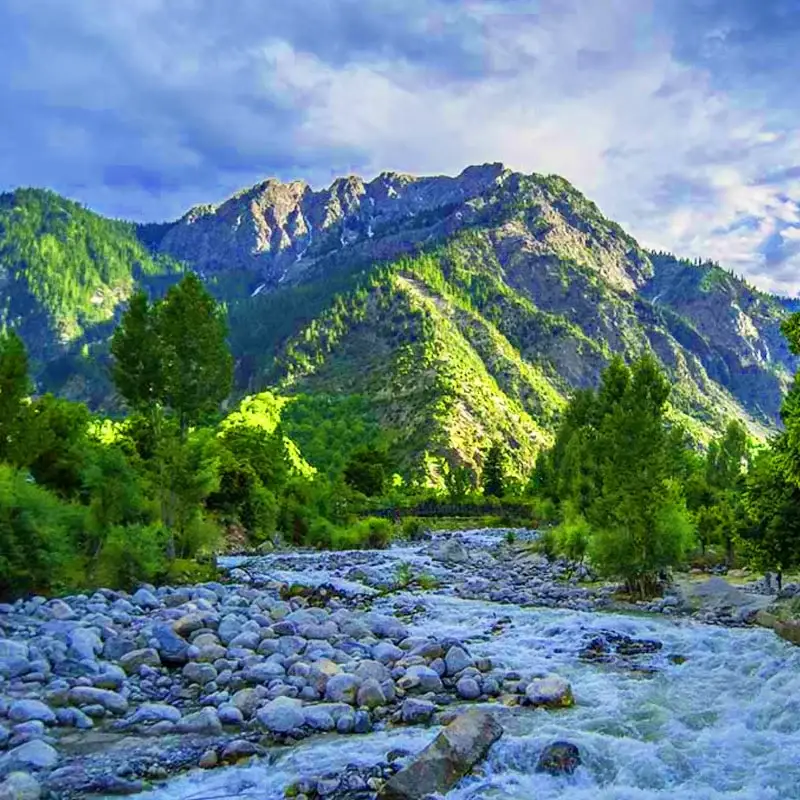
Kalash festival dates 2026 and 2027
| Festival | Season | 2026 dates | Expected 2027 dates | Main valleys |
|---|---|---|---|---|
| Chilam Joshi | Spring | 13–16 May (held) | 13–16 May | Bumburet, Rumbur, Birir |
| Uchal | Summer harvest | Around 20–22 August (held) | Around 20–22 August | Bumburet, Rumbur |
| Pul (Phool) | Autumn | September–October | September–October | Birir |
| Choimus (Chaumos) | Winter solstice | Mid–late December | Mid–late December | All three valleys |
Festival days are set by the Kalash community, not by the tourism calendar. If you are planning a 2027 trip, we confirm the final dates with families in the valleys a few weeks before.
Chilam Joshi: the spring festival
Chilam Joshi welcomes spring and the return of the herds to the summer pastures. It is the most colourful and the most visited Kalash festival.
- Milk day: the festival opens with offerings of milk that families have saved for days before.
- Flowers and dance: women wear new black dresses with bright embroidery and beaded headdresses (kupas), and everyone dances in circles at the charsoo (dancing ground) to drums and songs.
- Blessings: houses and people are blessed with flowers, and in many families this is a time when new couples announce themselves.
The main day in Bumburet is busy, so if you prefer a calmer experience, spend one day in Rumbur, which is smaller and more traditional.
Uchal: the summer harvest festival
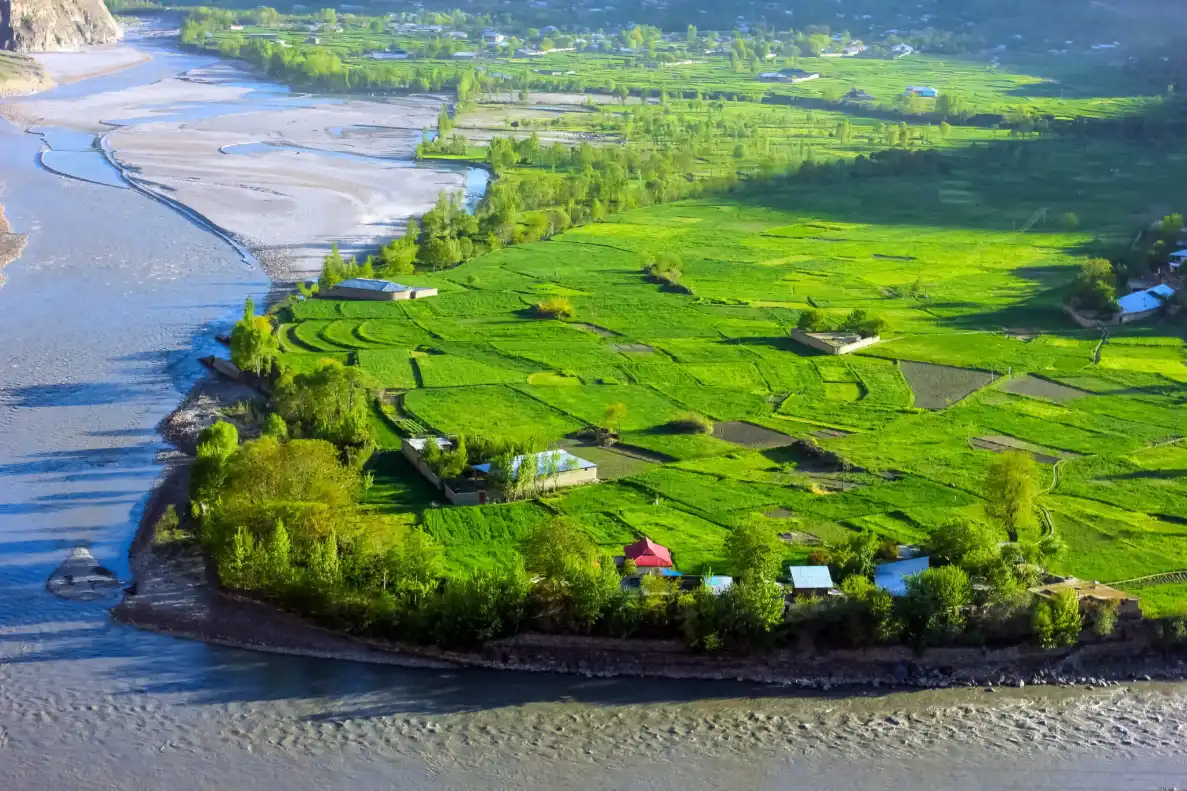
Uchal marks the wheat and barley harvest and the return of shepherds from the high pastures with cheese and butter. Celebrations go on through the night with singing and dancing at the dancing ground. It is smaller and less crowded than Chilam Joshi, and a lovely time to see the valleys green and full of fruit.
Choimus: the winter festival
Choimus is the most important and most sacred Kalash festival. It runs for about two weeks around the winter solstice and marks the end of the year. There are rituals of purification, bonfires, torch processions, songs and dances in the snow. Some rituals are closed to outsiders and to people who are not “pure” in Kalash belief. Your guide will tell you where and when you can be present. Winter in the valleys is very cold and the road can be icy, so this trip is for travellers who are happy with basic, chilly guesthouses.
How to attend respectfully
- Ask before every photo. Many Kalash women are tired of cameras pushed into their faces. A smile and a question go a long way, and a “no” is a no.
- Do not enter sacred places, such as the jestak han (temple) or the bashali (women’s house), unless invited.
- Do not join the dance uninvited. Sometimes guests are pulled in, which is an honour, but wait to be asked.
- Dress modestly and keep drones on the ground.
- Spend money locally. Stay in Kalash-owned guesthouses and buy crafts directly from families.
Saleem’s tip: Arrive one or two days before the festival starts. You will see families preparing, cooking and decorating, and you will already know a few faces when the big day comes. It changes the whole experience.
Getting to the Kalash valleys for a festival
From Islamabad you can drive through the Lowari Tunnel to Chitral (a long day), or take the short flight to Chitral when it operates. From Chitral town, Bumburet is about 1.5 to 2 hours by jeep through Ayun. Foreigners register at a checkpost on the way, pay a small entry fee, and may be given a police escort. Rooms fill up fast in festival weeks, especially in May, so book early.

Read our full Kalash Valley travel guide for the three valleys, where to stay and what else to see. Our 10-day Kalash and Chitral tour can be scheduled around Chilam Joshi or Uchal, and the 8-day Chitral, Kalash and Peshawar tour combines the festival with old Peshawar.
Want to be there for Chilam Joshi 2027? Festival-week rooms go first. Tell us your dates and we will hold the best guesthouses.
Who are the Kalash?
The Kalasha are a small community of a few thousand people who live in three side valleys of Chitral: Bumburet, Rumbur and Birir. They speak Kalasha, an ancient Dardic language, and follow their own polytheistic faith, with gods, sacred places and seasonal rituals that are unlike anything else in Pakistan. Their origins are debated. Local stories link them to Alexander the Great’s soldiers, while historians see them as one of the last surviving communities of an older Hindu Kush culture that once covered a much wider area.
What strikes most visitors is how the Kalash way of life follows the seasons. Herding, harvests and festivals are all connected. The festivals are not shows for tourists. They are religious and social events where families meet, marriages are arranged, ancestors are remembered and the gods are thanked for the herds and the harvest. Seeing one is a privilege, and you will enjoy it far more if you understand a little of what is happening.
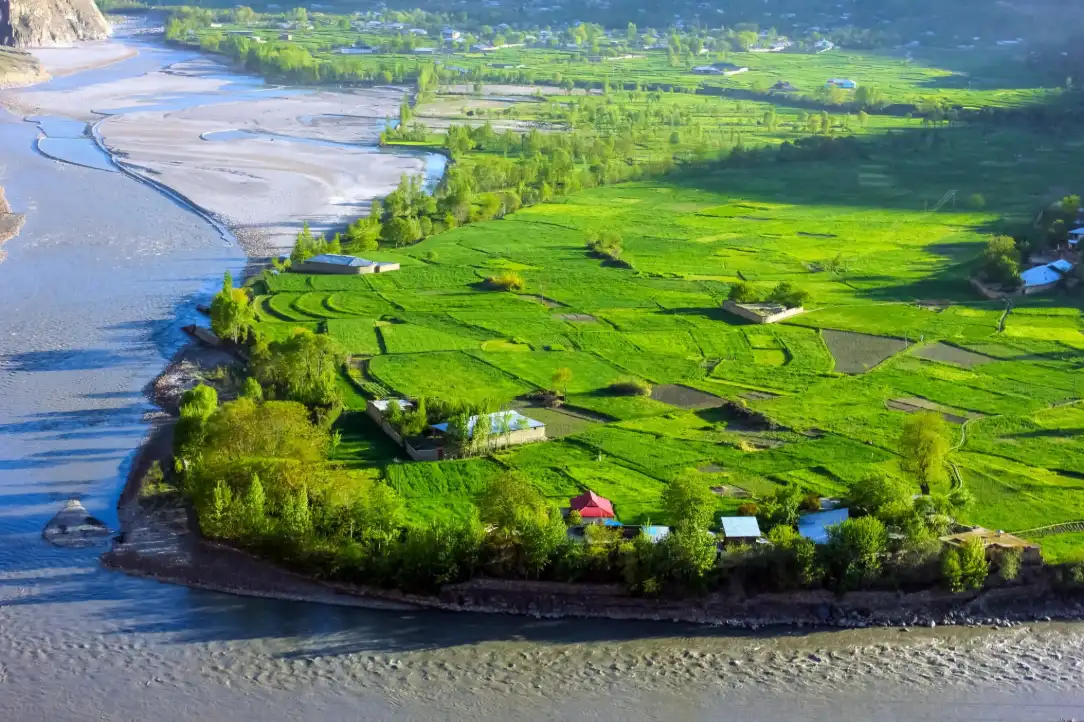
Life in the three Kalash valleys
Bumburet
The largest and most developed valley, with most of the guesthouses, the Kalasha Dur museum and the main festival grounds. It is also where most visitors go, so it can be busy on the big days.
Rumbur
Smaller and more traditional, with fewer hotels and a strong community feel. Many travellers say their best festival memories come from Rumbur.
Birir
The quietest and most remote valley, known for the autumn Pul festival and for walnut and grape harvests. It is a good choice for travellers who want to see daily Kalash life with very few other visitors.
What to wear and bring for festival week
- May (Chilam Joshi): warm days, cool evenings. Bring a fleece and a light rain jacket.
- August (Uchal): warm and dry. Light, modest clothing and a hat.
- December (Choimus): freezing. Thermal layers, a down jacket, warm boots, gloves and a hat. Rooms are heated with wood stoves, not central heating.
- Always: a torch for night dances, cash in small notes (there are no ATMs in the valleys), and a reusable water bottle.
Sample 8-day Kalash festival itinerary
- Day 1: Arrive in Islamabad, rest and briefing.
- Day 2: Drive through Swat and Dir to Chitral via the Lowari Tunnel (or fly if available).
- Day 3: Chitral Fort and Shahi Mosque, then on to Bumburet.
- Day 4: Pre-festival day: village walk, museum, meet families.
- Day 5: Main festival day in Bumburet.
- Day 6: Festival celebrations in Rumbur.
- Day 7: Drive back towards Islamabad with a night in Swat or Dir.
- Day 8: Return to Islamabad and fly home.
Photography etiquette, in detail
Photography is the single biggest source of tension between visitors and the Kalash community. Over the years I have seen festival dances blocked by rows of phones and big lenses. Please be the visitor families remember for the right reasons:
- Never photograph women up close without clear permission, and never follow someone to get a shot.
- Stay outside the dancing circle and behind the line of local spectators.
- No flash at night dances, and no drones at all.
- If someone asks you to delete a photo, delete it.
- Consider sharing your photos with the families you met. It is a lovely way to say thank you.
Where to stay during festival week
Accommodation in the Kalash valleys is simple: family-run guesthouses and small hotels with clean rooms, hot water most of the time and home-cooked meals. In Bumburet there is the widest choice, from basic rooms to a few comfortable lodges with gardens by the river. In Rumbur and Birir the options are fewer and more basic, but staying there gives you a much closer view of village life. During Chilam Joshi, almost every room in Bumburet is full, so we book for our guests months ahead. If the valleys are full, Chitral town is about two hours away and has bigger hotels.
Food you will try in the valleys
Kalash cooking is based on what the valleys produce: wheat, corn, walnuts, grapes, mulberries, goat cheese and butter. Look out for walnut bread, flatbreads stuffed with cheese, fresh fruit and simple meat dishes on feast days. Guesthouses also cook Pakistani staples like daal, chicken karahi and rice, so even picky eaters are well fed. Our Pakistani food guide has more on the dishes of the north.
Add more of Chitral to your trip
A festival trip is a good chance to see more of Chitral, one of the most beautiful and least visited corners of Pakistan. With two or three extra days you can visit Chitral Fort and the Shahi Mosque, soak in the hot springs at Garam Chashma, drive towards the views of Tirich Mir, the highest peak of the Hindu Kush, or continue in summer over Shandur Pass towards Gilgit and Hunza. In early summer, Shandur also hosts the famous polo festival on the highest polo ground in the world.
Kalash festival FAQs
When is the Kalash festival in 2027?
Chilam Joshi is expected on 13 to 16 May 2027, Uchal around 20 to 22 August 2027, and Choimus in mid to late December 2027. Final dates are confirmed by the community closer to the time.
Which Kalash festival is best for first-time visitors?
Chilam Joshi in May. The weather is pleasant, the valleys are green, and the celebrations are the most open to visitors.
Can foreigners attend Kalash festivals?
Yes. Foreigners attend every year. You register at the checkpost, may be assigned a police escort, and must follow local rules on photography and sacred places.
How many days do I need?
Plan at least 7 to 8 days from Islamabad for a festival trip, with 3 nights in the valleys. Ten days lets you add Chitral town and Garam Chashma or Peshawar.