
Home » Destinations » Peshawar City
- Khyber Pakhtunkhwa · Pakistan
Peshawar City Tour: Gandhara, Mughal Mosques and the Storytellers’ Bazaar
Explore one of South Asia’s oldest living cities on foot, from Buddhist sculpture and Mughal architecture to tea, kebabs and old-city bazaars.
2,500+
years of documented history
1907
Peshawar Museum opens
1980
Takht-i-Bahi UNESCO-listed (nearby)
2 hrs
by road from Islamabad
- Overview
Peshawar, Pakistan: An Ancient Crossroads
Peshawar lies in the Peshawar Valley in Khyber Pakhtunkhwa, just east of the Khyber Pass, the historic route between Central Asia and the Indian subcontinent. Traders, pilgrims, scholars and armies passed through for centuries, and each left something behind.
A Peshawar city tour works through layers of time rather than scenery. In one day you can move from Buddhist sculpture nearly two thousand years old to a Mughal-era mosque, a caravanserai and a bazaar still known for its tea and kebabs. A knowledgeable guide makes the difference, adding the history that signs and maps leave out.
What Is Peshawar Famous For?
- Its Gandharan Buddhist heritage and the Peshawar Museum.
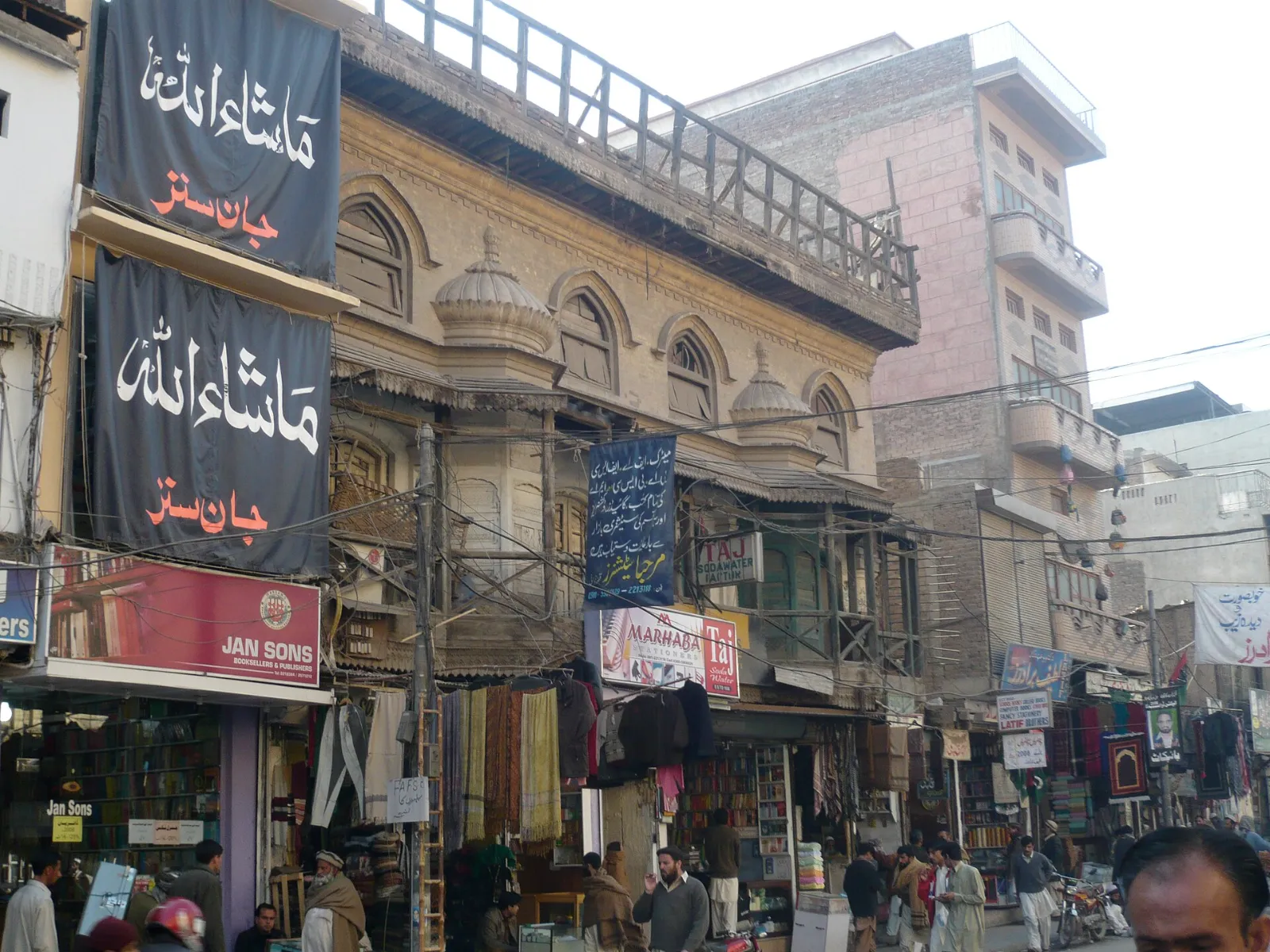
- Qissa Khwani Bazaar, the “Storytellers’ Bazaar.”
- Mughal and 19th-century architecture, including the Mahabat Khan Mosque and Sethi House.
- Its role as the gateway to the Khyber Pass, along with chapli kebab and qehwa green tea.
Peshawar at a Glance
Location
Peshawar Valley, Khyber Pakhtunkhwa; the provincial capital
Documented history
From at least 539 BCE, according to the provincial Archaeology Department
Themes
Gandhara, the Kushan Empire, Mughal, Sikh and British-era heritage
Languages
Pashto and Hindko are widely spoken; Urdu is understood everywhere
Time needed
One full day for the core sites; longer with excursions
Best months
Late October to March
- Gallery
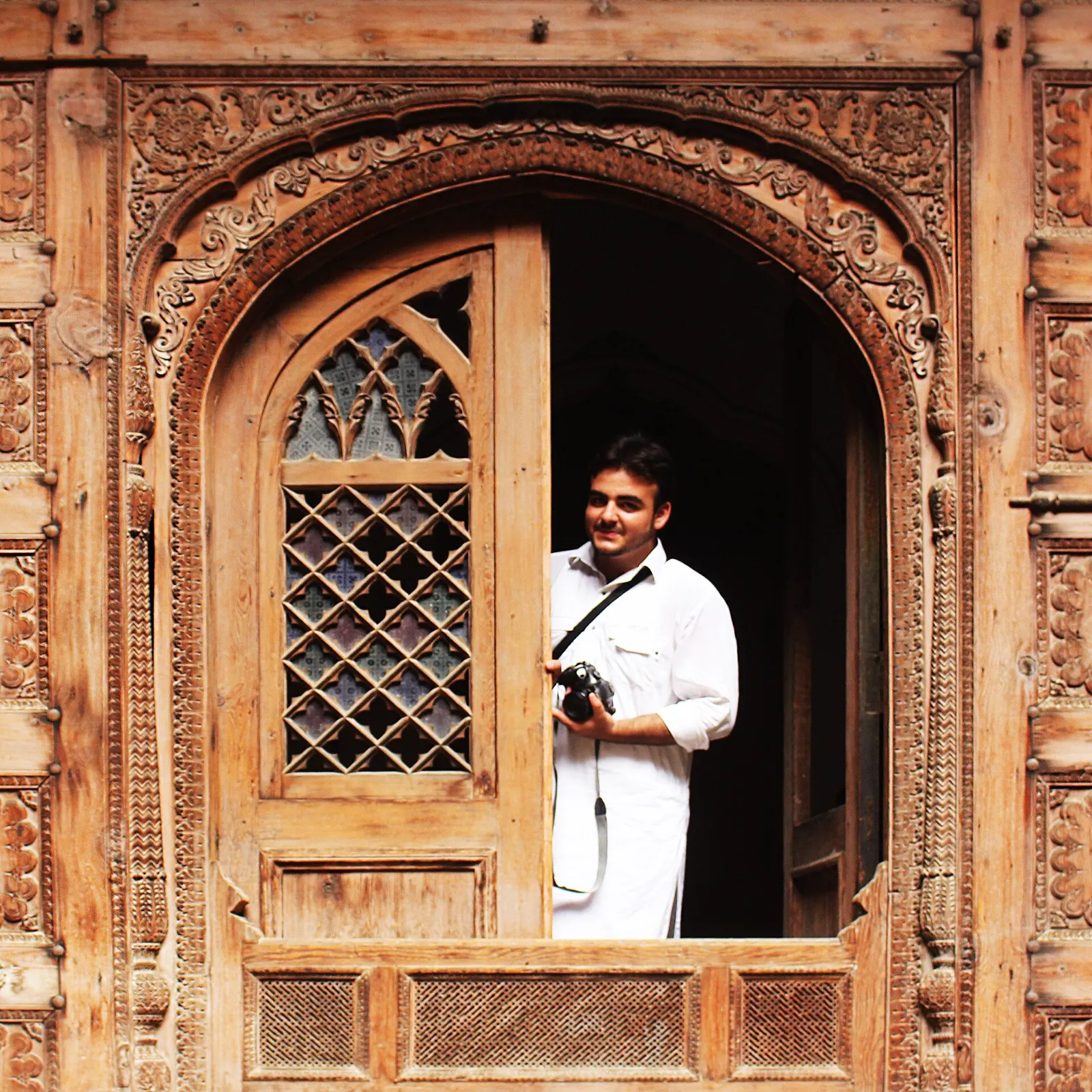
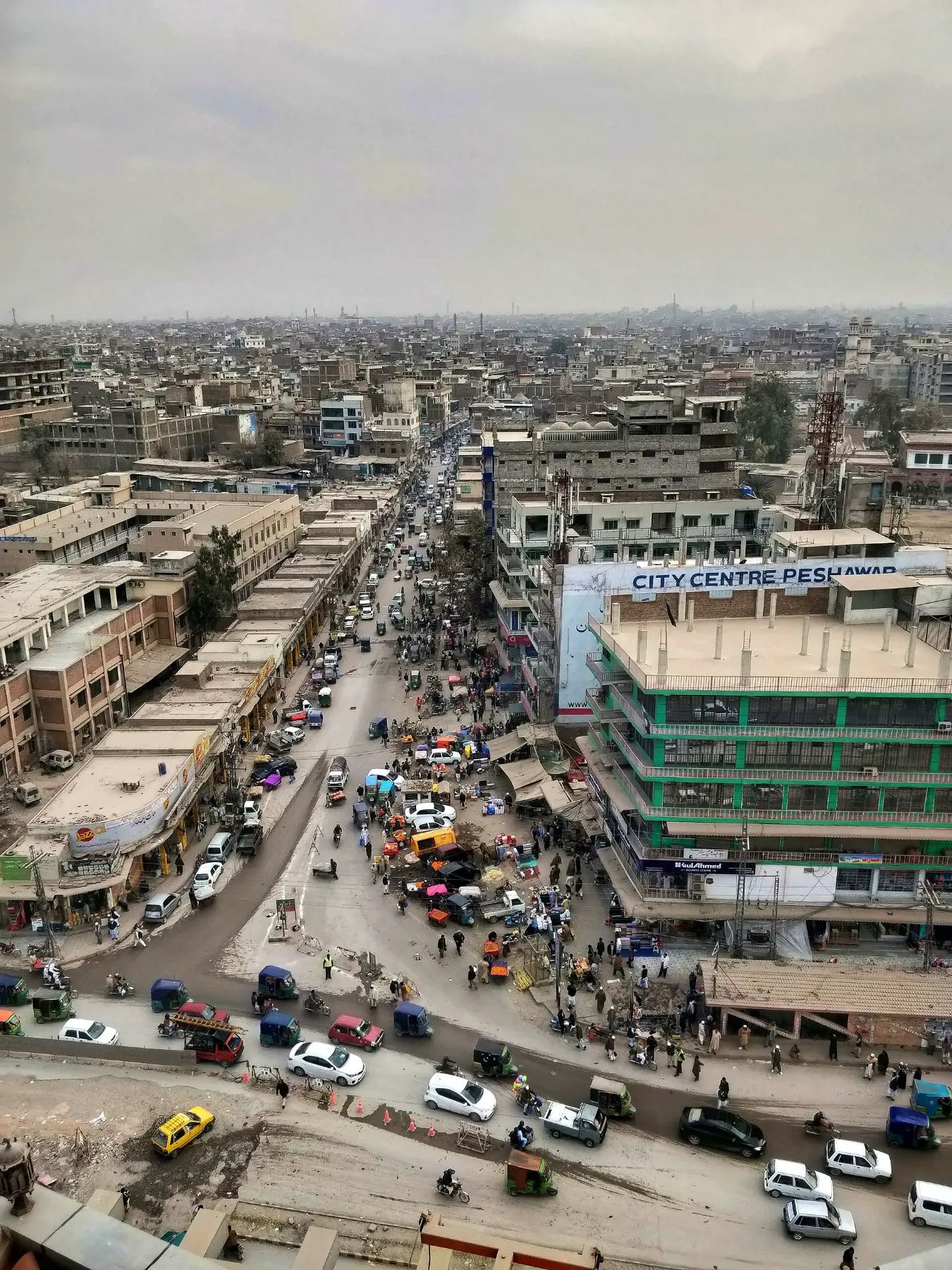
Peshawar in Pictures
Click any photo to see it full size.
- When to Go
Best Time to Visit Peshawar
Late October to March is the most comfortable window for a Peshawar city visit.
Best season
Autumn
October–November
Warm, dry days and pleasant evenings for the old bazaars. This is the best season.
Good
Winter
December–February
January highs are around 18°C, with nights near 4°C. Expect some rain and short days, so bring layers.
Good
Spring
March–April
Days warm quickly. March is typically the wettest of the winter-rain months, and April highs are around 31°C.
Hot
Summer
May–September
Very hot: around 36°C in May, 41°C in June and 38°C in July. July and August are humid, with occasional showers. Sightsee early in the morning and in the evening.
In short: Best in October–November. Good from December to April. Possible with early starts in May and September. Not ideal from June to August.
Ramadan: Evenings around Qissa Khwani Bazaar come alive with tea, kebabs and storytelling after sunset, though daytime food options are limited.
- Getting There
Getting to Peshawar from Islamabad
Visitors arrive at Bacha Khan International Airport, or drive from Islamabad in about two hours. A Peshawar tour from Islamabad can be done as a long day, but an overnight stay gives you a more relaxed pace.
By air
Fly into Bacha Khan International Airport, Peshawar.
By road
About two hours from Islamabad — possible as a long day trip.
Our tip
Stay overnight for a more relaxed pace in the old city.
- Attractions
Historical Places in Peshawar and Nearby
The main Peshawar tour places fall into two groups: sites in and around the old city, and excursions beyond it.
In and Around the Old City
Start here
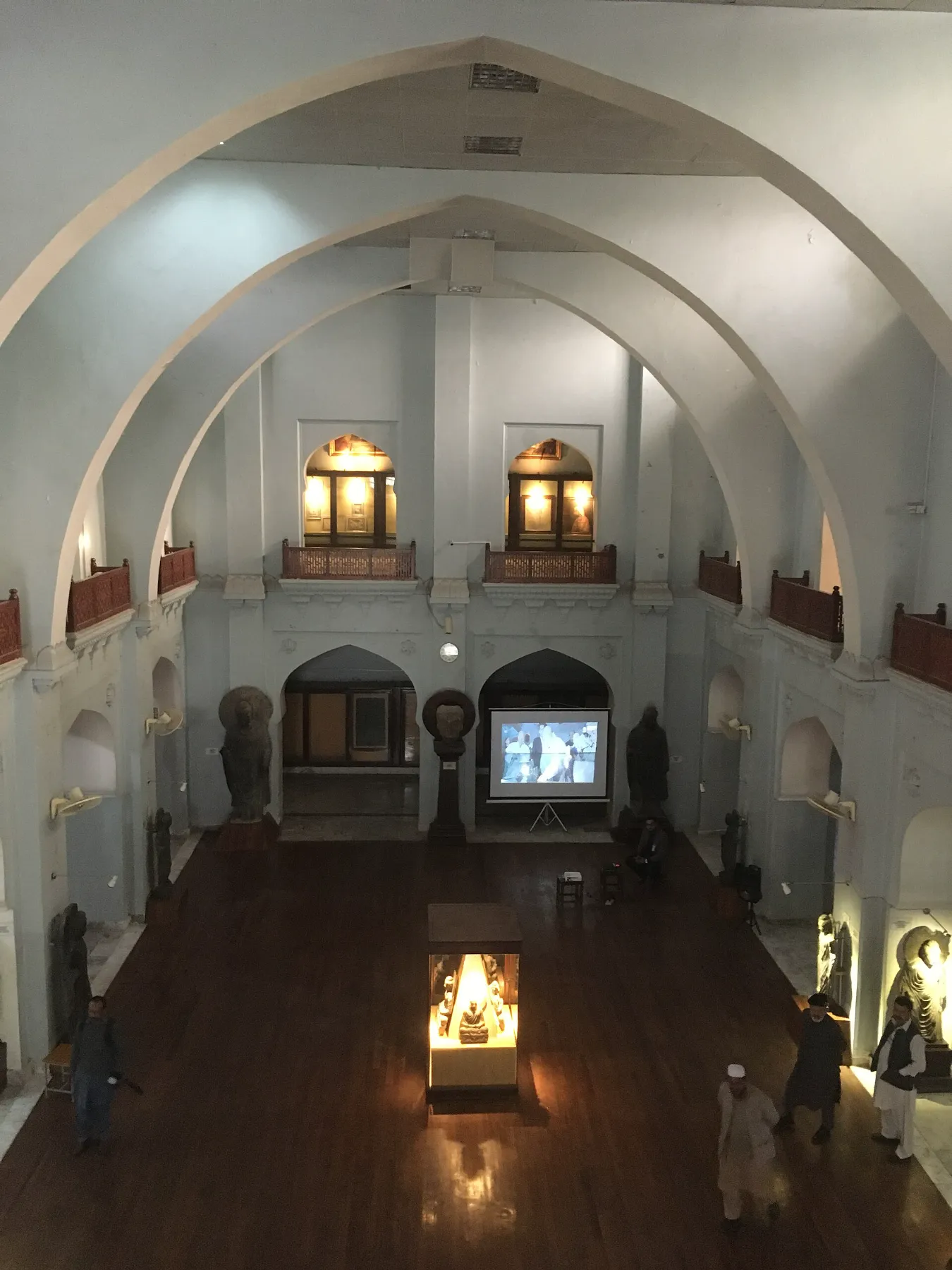
Peshawar Museum
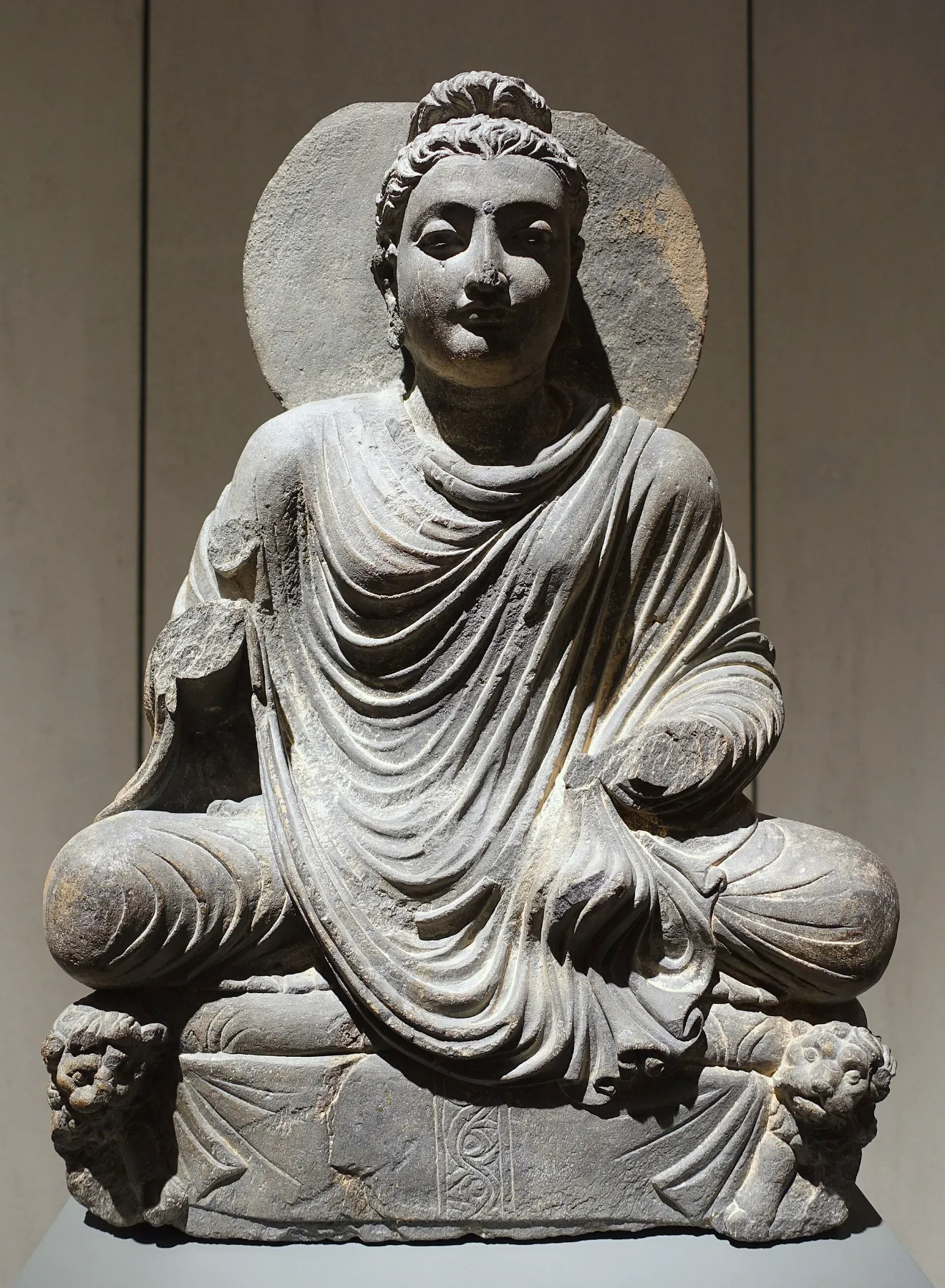
Opened in November 1907 in a building originally raised as a Victoria memorial, this is the best place to understand Gandhara. Its galleries hold Buddhist sculpture showing scenes from the Buddha’s life, relic caskets and standing Buddha figures, from a collection of nearly 14,000 items. The Kanishka casket, found nearby in 1908–09, is kept here, though some scholars question whether it is the original.
Old city
Qissa Khwani Bazaar
The name comes from the Persian for “storyteller.” Merchants from the subcontinent, Afghanistan and Central Asia met here, trading news and tales alongside goods. A 19th-century British commissioner compared it to London’s Piccadilly. Come for qehwa, chapli kebab and the old-city atmosphere.
Mughal
Mahabat Khan Mosque
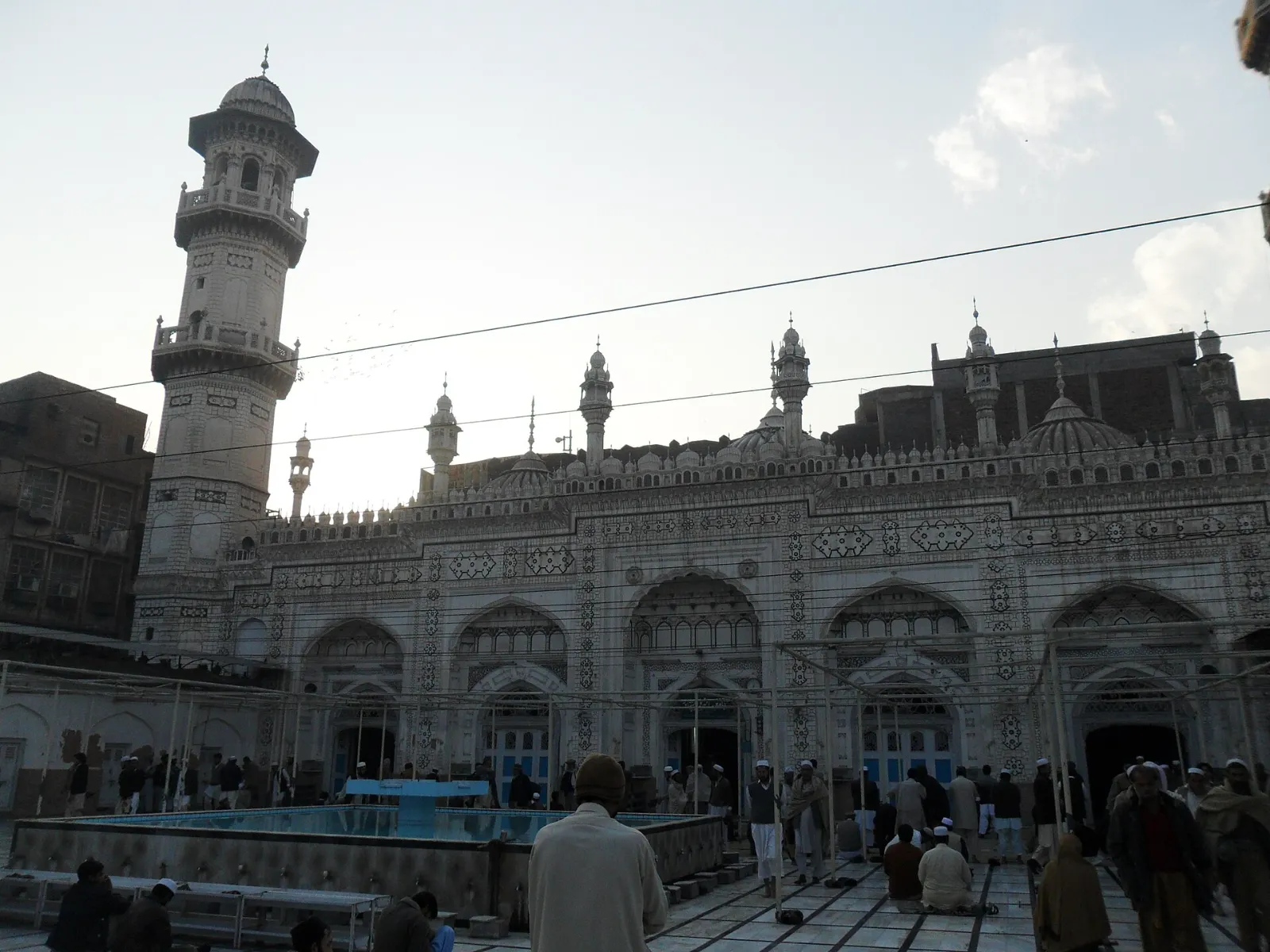
The finest Mughal-era mosque in the old city, named after a Mughal governor. Sources date it between 1630 and 1670, with the later date widely considered most likely for completion. Look for the white façade, the fluted domes and the painted floral interior. The Jewellers’ Bazaar is next door.
Archaeology
Gor Khatri Archaeological Complex
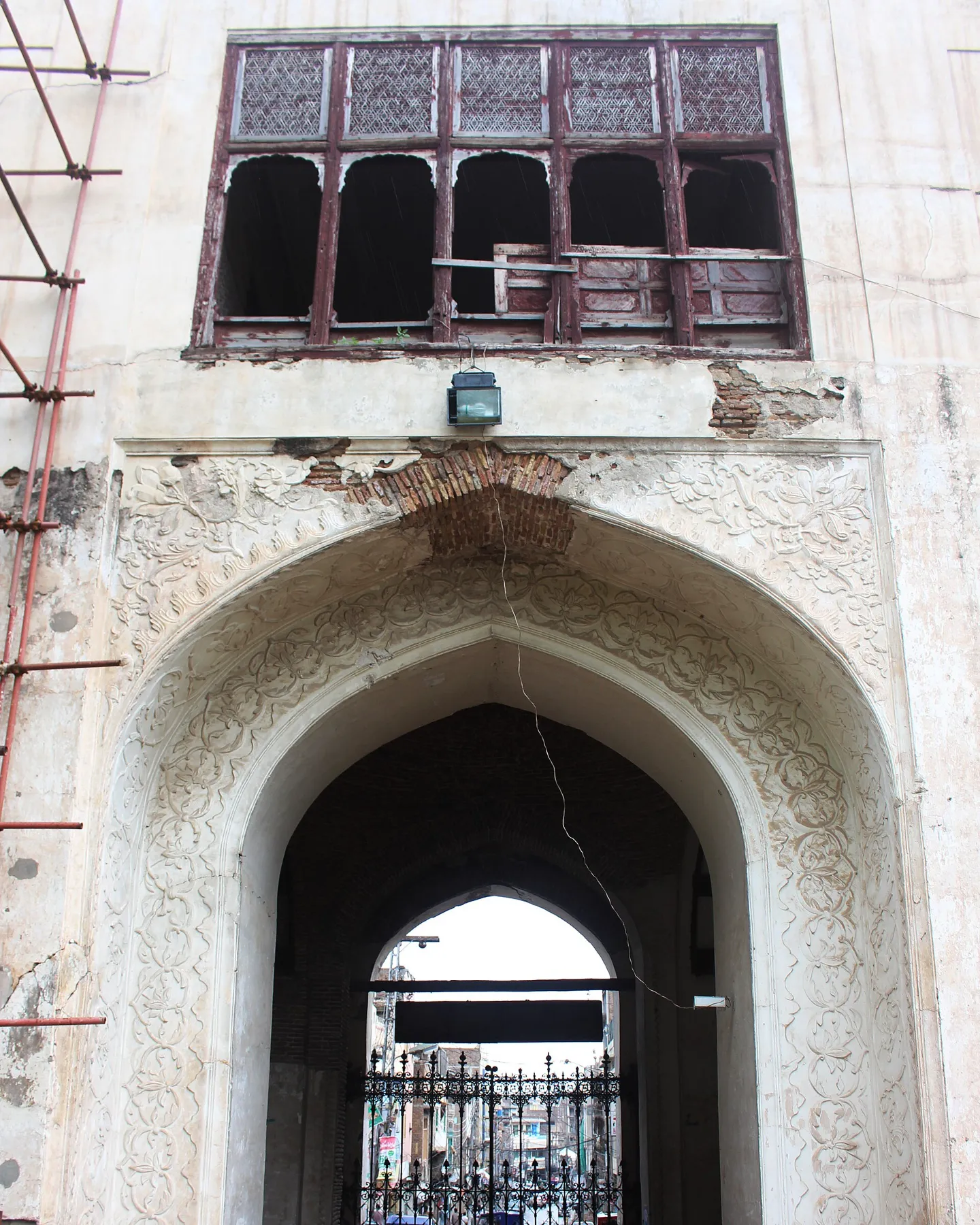
A Mughal-era caravanserai, traditionally credited to Jahan Ara Begum, daughter of Shah Jahan. Excavations here helped establish Peshawar’s documented history back to about 539 BCE. The Sikh-era governor General Avitabile later used it as a residence and headquarters. There is an on-site museum.
Heritage walk
Sethi Mohallah and the Heritage Trail
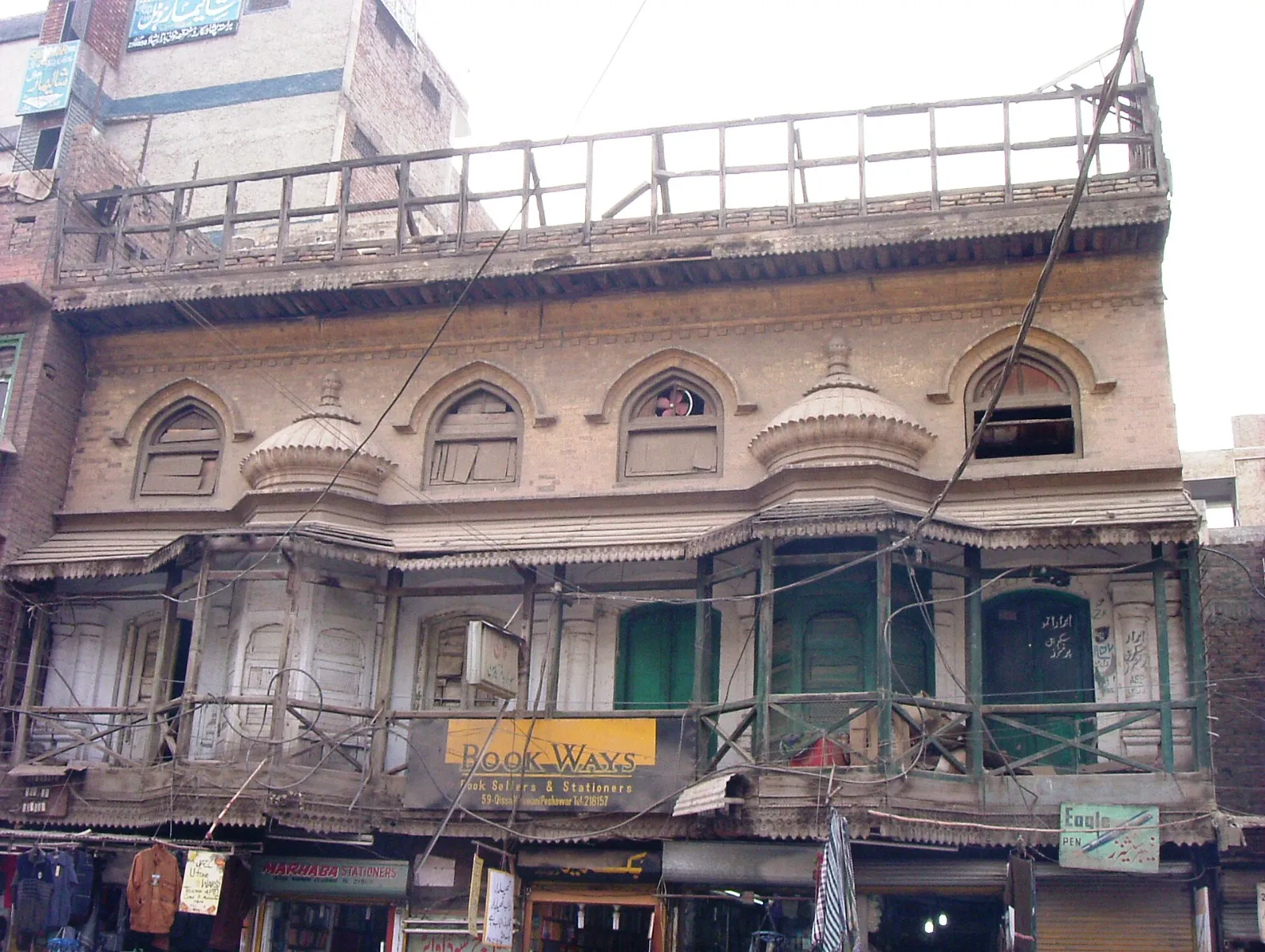
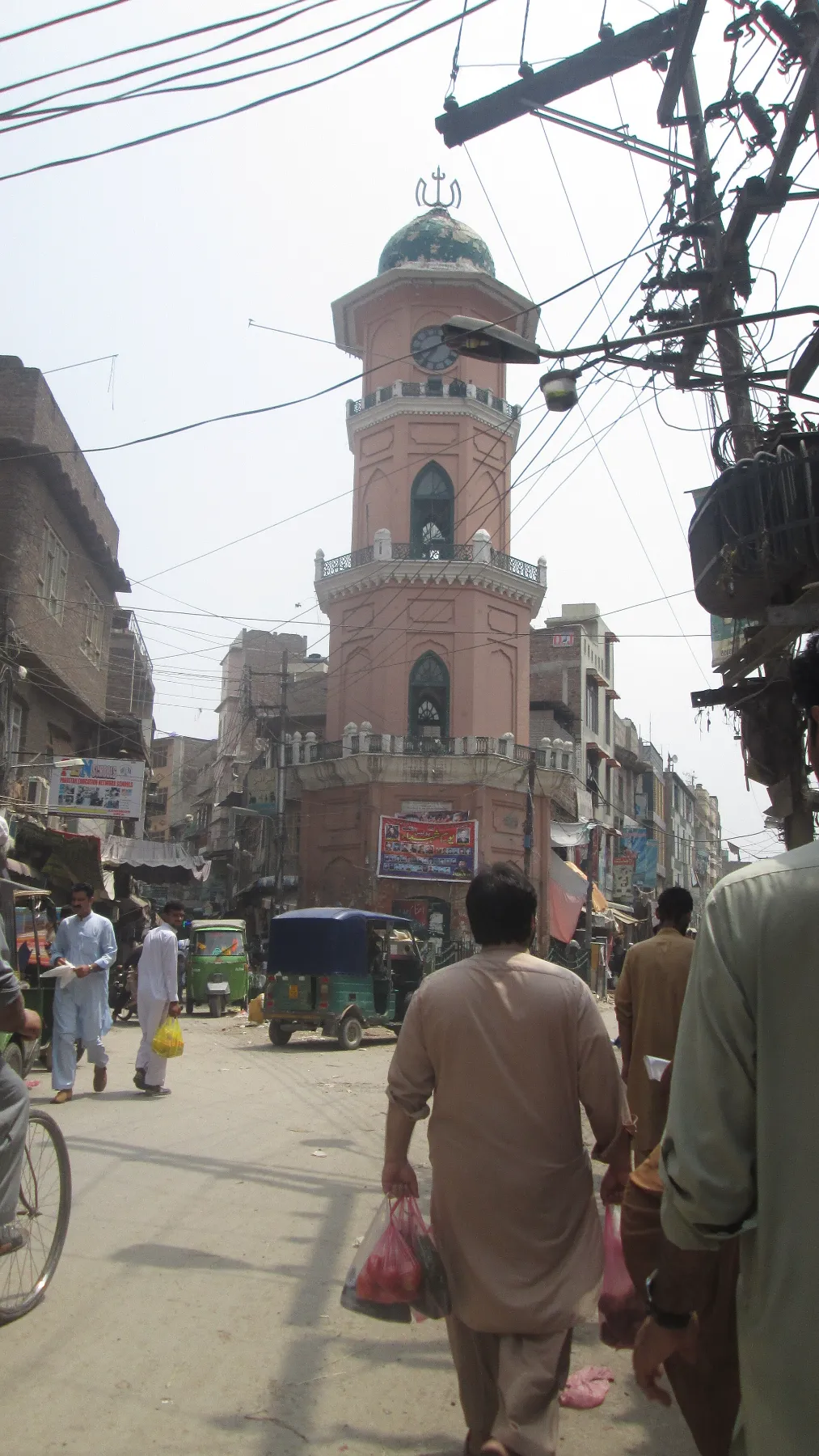
Sethi House, built in 1886 by a wealthy merchant family, shows strong Central Asian influence, especially in its carved wood. A heritage trail completed in 2018 links the Cunningham Clock Tower (Ghanta Ghar, built in 1900) with Gor Khatri. The project restored 85 historic buildings.
Guide recommended
Shah-ji-ki-Dheri (Kanishka Stupa Site)
Chinese pilgrims including Faxian and Xuanzang described a huge stupa built by Kanishka near ancient Peshawar. D. B. Spooner excavated this mound just outside the old city in 1908–09. The stupa no longer stands, so go with a guide who can explain what once rose here.
Exterior only
Bala Hisar Fort
The fort dominates the old city, and the present structure dates to the Sikh period (1834). It is an active military site and the interior is not open to visitors. View it from outside, and ask your guide before taking photographs nearby.
Beyond the City (Subject to Permission and Conditions)
Permission needed
Khyber Pass and Bab-e-Khyber
The Khyber Gate at Jamrud, built in the 1960s, marks the approach to the pass. Visits need official permission, which is often refused to foreigners. We cannot promise this stop.
UNESCO · 80 km
Takht-i-Bahi
About 80 km from Peshawar near Mardan, this hilltop Buddhist monastery complex dates from the 1st to 7th centuries CE and has been UNESCO-listed since 1980. Official advice differs for Mardan, so please read the travel advice below.
- Suggested Itinerary
A Suggested One-Day Peshawar Heritage Walk
1
Morning
Peshawar Museum, to understand Gandhara before you see the city.
2
Late morning
A short stop at Shah-ji-ki-Dheri, then into the old city.
3
Midday
Qissa Khwani Bazaar for qehwa and chapli kebab.
4
Afternoon
Mahabat Khan Mosque and the Jewellers’ Bazaar, then Sethi Mohallah and Gor Khatri along the heritage trail.
- Order and timing are adjusted for season, opening hours and current conditions.
- History
History of Peshawar: From Purushapura to Today
1st–3rd centuries CE
Gandhara and the Kushans
Peshawar’s ancient name is usually given as Purushapura, a Sanskrit name often translated as “city of men,” and the modern name is possibly derived from it. The valley was the heart of Gandhara, a Buddhist cultural region whose main centres included Purushapura, Taxila and Pushkalavati. Under the Kushan Empire, which flourished around the 1st to 3rd centuries CE, Peshawar became an important capital and a centre of Buddhist learning. Gandharan art blended Buddhist subjects with Greco-Roman techniques.
17th–20th centuries
Later Rulers
Mughal governors left mosques and caravanserais in the 17th century. The Sikhs took control in 1834 and rebuilt Bala Hisar, and British rule added the museum and the Clock Tower. These layers are why the old city feels so varied.
An honest note
What We Know, and What We Don’t
Peshawar is called South Asia’s “oldest living city” on the strength of Gor Khatri’s excavations. Archaeologists note that digging stopped before reaching undisturbed ground, so the true age may be greater. Scholars still discuss the exact dates of the Kushan rulers. Where sources disagree, we say so.
- Culture & Food
Local Culture and Peshawar Food
Peshawar is the heart of Pashtun culture. Pashto is the main language, with Hindko also spoken in the old city. Men commonly wear shalwar kameez, and many wear Peshawari chappals or a woollen pakol cap.
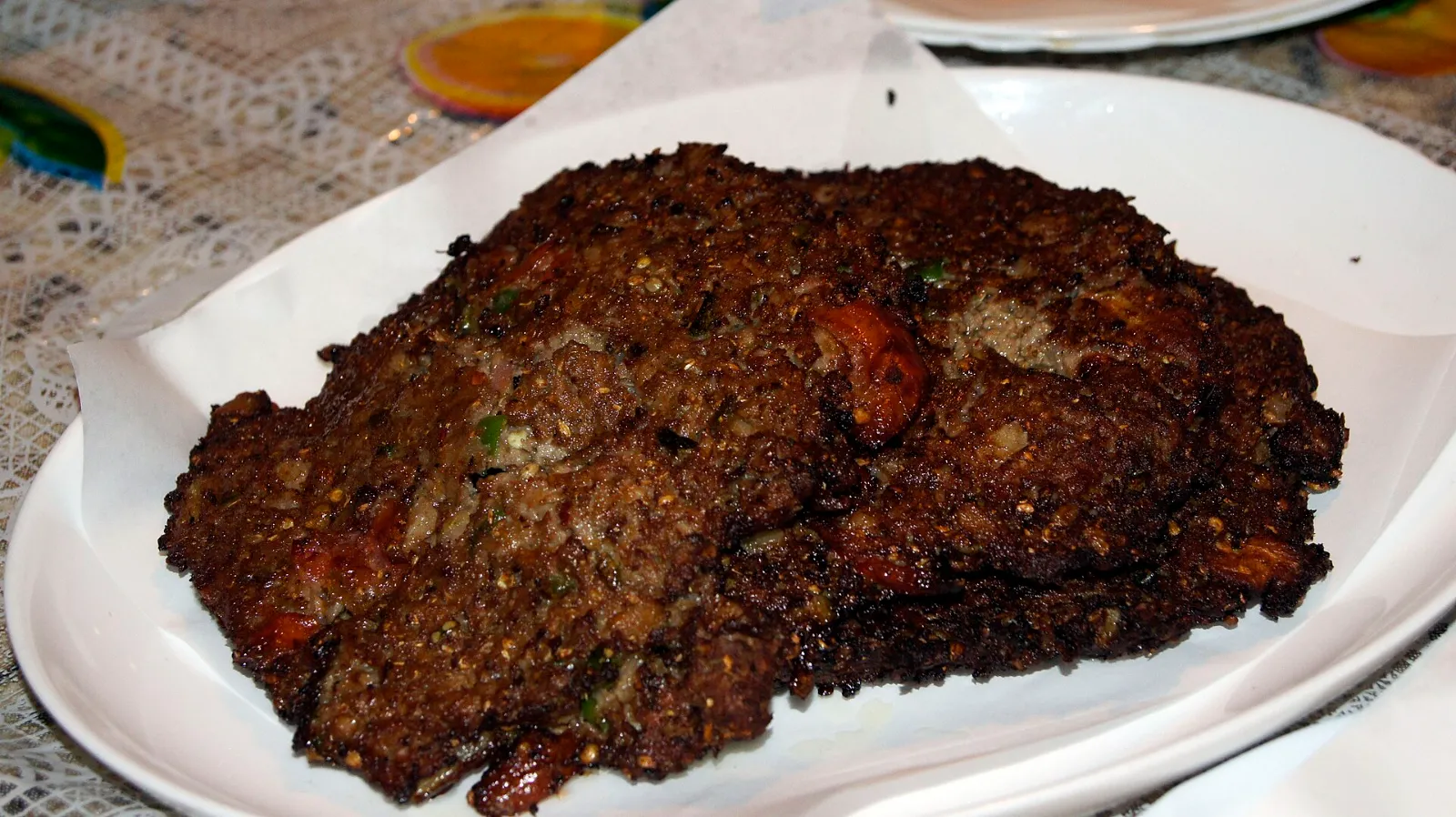
Peshawar food is meat-centred and generous: chapli kebab, grilled tikka, karahi and fragrant rice dishes. Qehwa, a green tea often flavoured with cardamom, is the traditional drink, and Namak Mandi is a well-known food market area.
Hospitality is a point of pride. Visitors are often greeted warmly and offered tea. Eid and Ramadan are the main seasonal events, with evenings in the old city especially lively.
More Things to Do
Photograph the old-city lanes (with permission from your subjects), browse the bazaars for chappals, jewellery and handicrafts, and add Takht-i-Bahi when conditions allow.
Travel Advice Before You Go
At the time of writing (October 2026), the UK Foreign, Commonwealth & Development Office advises against all travel to Peshawar, and the US State Department advises against travel to Khyber Pakhtunkhwa. Government advice changes, and following it affects travel insurance cover. Please read the latest advice from your own government and confirm your insurance. Then contact us to discuss current conditions.
Practical points
- Dress modestly with covered shoulders and legs.
- Ask before photographing people.
- Visit mosques outside prayer times.
- Expect some sites, such as the Khyber Pass, to need official permission.
- Tour Packages
Peshawar City Tour Packages with Harappa Tour & Travel
8 days · Chitral & Peshawar
Peshawar features on our 08 Days 07 Nights Trip to Pakistan – Chitral & Peshawar, which finishes with a day exploring Peshawar before the drive back to Islamabad. If you would like a Peshawar-focused visit, or want to add the city to a longer itinerary, send us an enquiry and our team will tell you what is possible.
Why Explore Peshawar with a Local Guide
A good Peshawar tour guide does more than list monuments. They tell you why a bazaar is called the Storytellers’ Bazaar, which carving at the museum shows the Buddha’s life, and where to find the best tea. The experience depends on pacing, local knowledge and a clear picture of current conditions. We plan with all three in mind and tailor each itinerary to your interests.
- FAQ
Peshawar City Tour: Quick Answers
How many days do I need?
One full day covers the museum, old city and heritage trail. Add another day for nearby sites.
Can I visit Peshawar as a day trip from Islamabad?
Yes, it is about two hours by road each way, though an overnight stay is more relaxed.
Can foreign tourists visit Peshawar?
Foreign visitors do travel there, but official advice is cautious. Rules and permissions can change, so confirm with us and official sources before booking.
Can I visit the Khyber Pass?
Only with official permission, often not granted to foreigners. We cannot guarantee it.
- Contact
Plan Your Peshawar City Tour
Tell us when you plan to travel, your interests and group size. We’ll reply with honest advice on what is possible right now.
Send an enquiry
Licensed & registered in Pakistan
Government-licensed tour operator, PATO member and TripAdvisor-rated 5.0.


A licensed tour operator from Ganish, Hunza. We plan, drive and guide private and small-group journeys across Pakistan — from K2 Base Camp to the Kalash valleys.
Destinations
Get in Touch
+92 311 8812 885
harappa.tnt@gmail.com
Office
Kalan Ganish, Hunza Valley 15700, Gilgit-Baltistan
Open 7 days
8:00 AM – 11:00 PM (PKT)
© 2026 Harappa Tour & Travel · Licensed tour operator, Hunza Valley, Pakistan