Quick answer: Gilgit-Baltistan is home to several peoples with their own languages, such as Burusho, Wakhi, Shina, Balti and Khowar speakers, and to Ismaili, Shia, Noorbakhshi and Sunni Muslim communities. Its culture shows in royal forts like Baltit and Shigar, Buddhist rock carvings, polo, music and dance, and festivals like Navroz, Ginani, Shandur Polo and the winter solstice celebrations.
People come to Gilgit-Baltistan for the mountains, but the ones who fall in love with it usually fall for the people. I grew up in Ganish, where my grandparents still told stories of the Mirs of Hunza and the caravans of the Silk Road. For more than ten years I have shared this culture with travellers. This guide explains who lives in these valleys, what makes their traditions special, which festivals to plan around, and how to experience it all respectfully.
The peoples and languages of Gilgit-Baltistan
For such a small population, GB is extraordinarily diverse. Valleys a day’s drive apart can speak completely unrelated languages.
| Language | Where it is spoken | Interesting fact |
|---|---|---|
| Burushaski | Central Hunza, Nagar, parts of Yasin | A language isolate, not related to any other known language |
| Wakhi | Upper Hunza (Gojal), Shimshal | An Iranian language shared with the Wakhan corridor of Afghanistan and Tajikistan |
| Shina | Gilgit, Astore, Diamer, parts of Hunza | The most widely spoken language in GB |
| Balti | Skardu, Shigar, Khaplu, Kharmang | Closely related to Tibetan |
| Khowar | Ghizer, towards Chitral | The main language of Chitral |
Almost everyone also speaks Urdu, and many young people speak good English, especially in Hunza.
Faith and community
Islam reached the region over several centuries, and today GB is home to different Muslim communities. Hunza, Gojal and much of Ghizer are mainly Ismaili, followers of the Aga Khan, whose development network has built schools, clinics and heritage projects across the north. Nagar and most of Baltistan are mainly Shia. The Ghanche district around Khaplu is home to the Noorbakhshi order, with its own beautiful mosques and khanqahs. Diamer, Astore and parts of Gilgit are mainly Sunni. Each community has its own religious centres, customs and festivals, and visitors are generally welcome to look at mosques from outside or enter with permission.
A short history of the kingdoms
Before 1947, much of today’s GB was made up of small mountain states. Hunza and Nagar were ruled by Mirs from their forts at Baltit and Nagar. Baltistan had its own Rajas, including the Maqpon dynasty of Skardu. The famous Ali Sher Khan Anchan, a 16th–17th century ruler of Baltistan, is remembered for his conquests and his love of polo. Shigar and Khaplu were ruled by their own royal families, whose palaces still stand. These kingdoms sat on branches of the Silk Road, trading with China, Central Asia and Kashmir, and became part of the “Great Game” between the British and Russian empires in the 19th century. On 1 November 1947 the people of Gilgit rose up and joined Pakistan, a day still celebrated every year.
Buddhist and ancient heritage
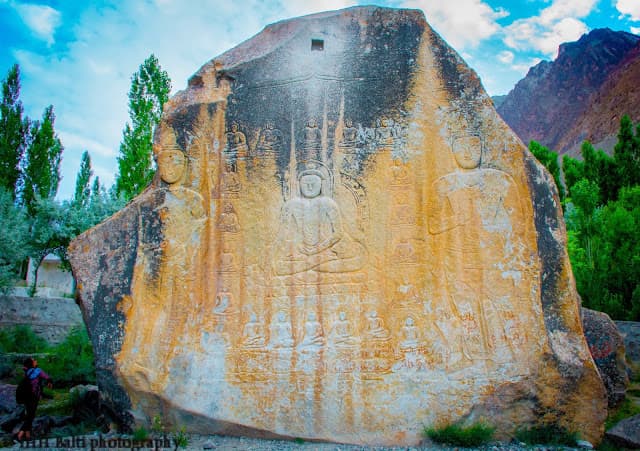
Long before Islam, the valleys were on the routes of Buddhist pilgrims and traders. You can still see the traces:
- Kargah Buddha: a large Buddha figure carved on a cliff near Gilgit, around 7th century.
- Manthal Buddha Rock: a granite boulder in Skardu carved with Buddha images.
- Sacred Rock of Hunza: rocks near Ganish and Haldikish covered in carvings and inscriptions left by travellers over many centuries.
Architecture: forts, mosques and wooden houses
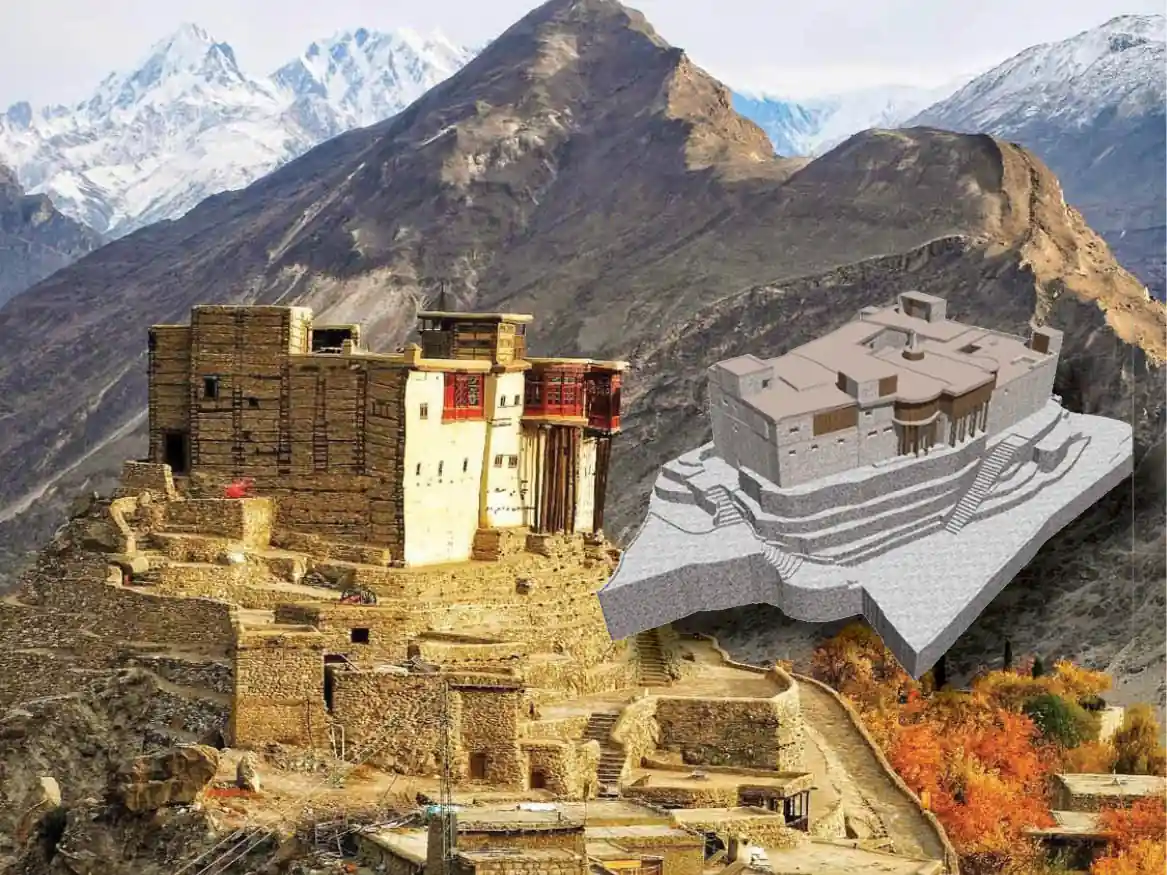
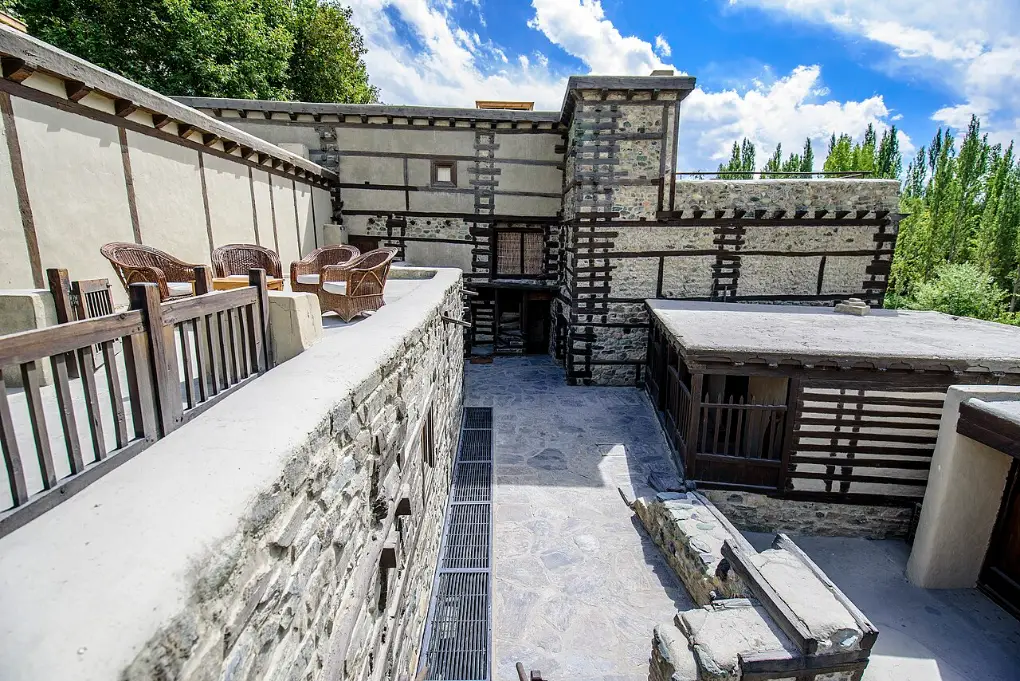
The forts of GB are among the most beautiful buildings in Pakistan. Baltit Fort and Altit Fort in Hunza, Shigar Fort and Khaplu Palace in Baltistan were all restored by the Aga Khan Trust for Culture with local craftspeople, and they now serve as museums or heritage hotels. Look out for carved wooden pillars and windows, flat roofs used for drying apricots, and traditional houses built around a central fire with a skylight above. The Chaqchan Mosque in Khaplu and the Amburiq Mosque in Shigar show how Tibetan and Kashmiri styles mixed here.

Festivals of Gilgit-Baltistan
| Festival | When | Where | What happens |
|---|---|---|---|
| Navroz | Around 21 March | Across GB, especially Hunza and Ghizer | Persian New Year and spring: polo, music, dance, family visits |
| Jashn-e-Baharan | Spring | Gilgit, Hunza | Spring festivals and polo tournaments |
| Ginani | Early summer | Hunza, Nagar | Harvest of the first wheat, with music and dance |
| Shandur Polo Festival | June/July (11–13 June in 2026) | Shandur Pass | Gilgit-Baltistan vs Chitral polo on the world’s highest polo ground |
| Independence Day of GB | 1 November | Across GB | Parades and celebrations |
| Thumushelling / Mayfang | Around 21 December | Hunza, Nagar / Baltistan | Winter solstice: bonfires, juniper fires and torches |
Dates of some festivals follow local calendars and can change. If you want to plan a trip around one, contact us and we will check the year’s dates.
Polo: the game of the mountains
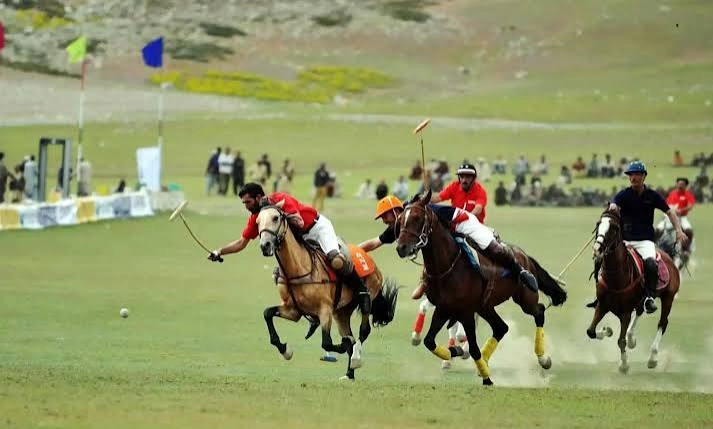
Many people believe polo spread to the world from this part of the mountains. In GB, polo is played freestyle, with few rules, small horses and a lot of noise from the crowd and the band of drums and pipes. Every big village has a polo ground. The highlight of the year is the Shandur Polo Festival, held on a plateau at over 3,700 m between Gilgit-Baltistan and Chitral. In 2026, Gilgit-Baltistan beat Chitral 6–5 in the final for the first time in twelve years, and the celebrations in the valleys lasted for days.
Music and dance
Traditional music in Hunza is played on the dadang (drum), damal (small kettle drums) and surnai (a loud reed pipe). Men dance in slow, proud circles, sometimes with swords. In Baltistan, music shows Tibetan influences, and old Balti epic songs are still sung at weddings. Many hotels in Hunza organise music evenings for guests, and our tours often include a cultural evening with local musicians.
Crafts to look for
- Hunza caps and embroidery: round woollen caps and colourful embroidered pieces made by women’s cooperatives.
- Carpets and woollen rugs: handwoven in Hunza, Nagar and Ghizer.
- Woodcarving: traditional patterns on boxes, panels and windows.
- Gemstones: GB is rich in minerals like aquamarine, tourmaline and garnet. Buy only from trusted dealers.
- Dried fruit and apricot oil: the taste of the valleys.
Traditional dress
In everyday life most people wear the shalwar kameez, as in the rest of Pakistan, with warm woollen layers in winter. Traditional dress comes out for weddings and festivals. Men in Hunza wear the round woollen Hunza cap, often with a feather or flower on special days, and long woollen coats called chogas. Women wear brightly embroidered caps and shawls, with patterns that differ from valley to valley. In Baltistan, older styles include woollen robes and caps that show the region’s links with Ladakh and Tibet. Many women’s cooperatives now keep these embroidery traditions alive and sell their work to visitors.
Hospitality and family life
If there is one word that sums up the culture of the north, it is hospitality. A guest is considered a blessing, and it is very common for strangers to be invited in for tea. Families are large and close, often with several generations living together around one central room with a fireplace. Village life follows the seasons: sowing in spring, irrigation and herding in summer, harvest and drying fruit in autumn, and long winters indoors with stories, music and visits. Communal work, where neighbours help each other build houses or clean water channels, is still part of life in many villages.
Education and change
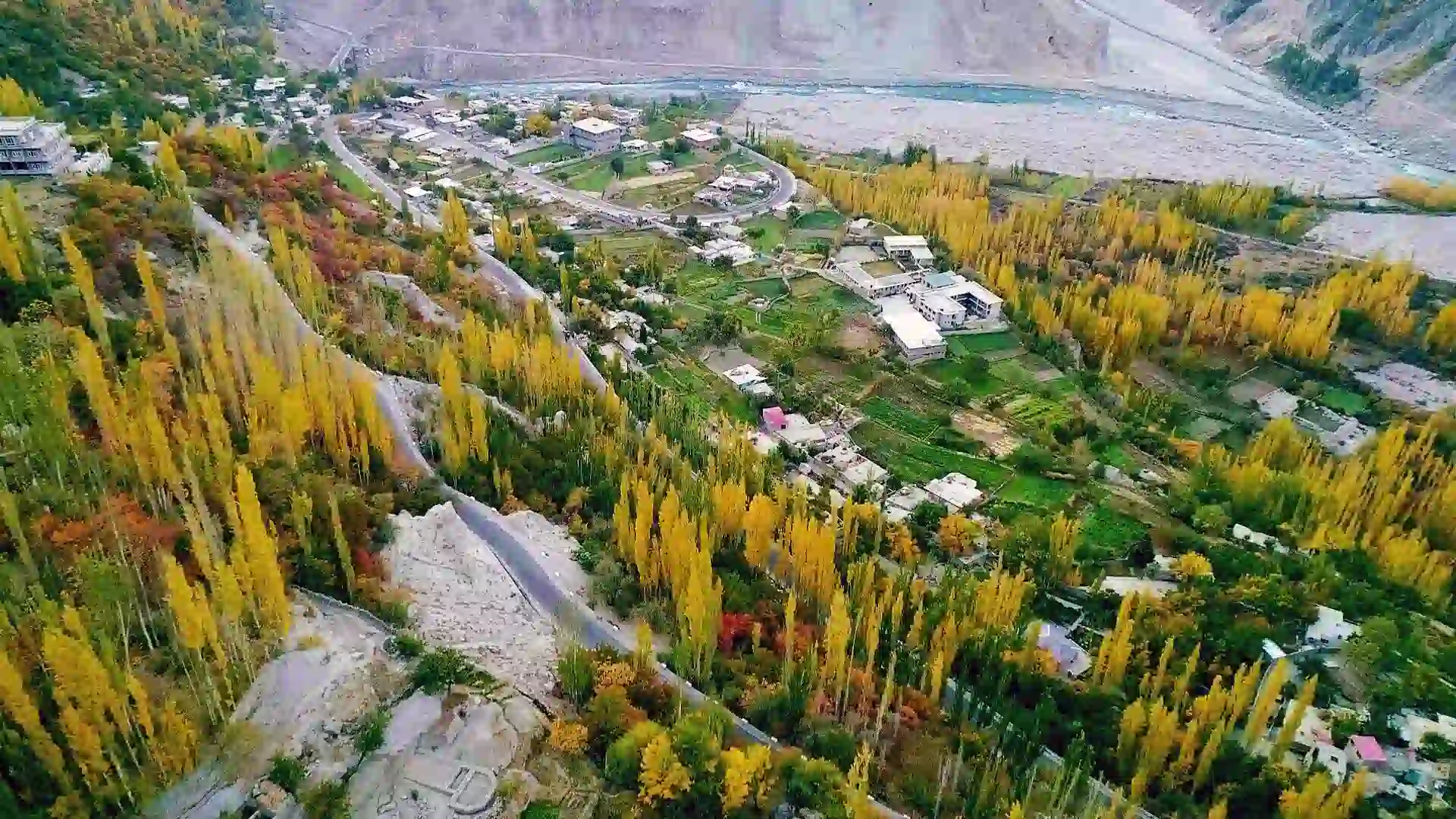
Hunza is known across Pakistan for its high rates of school enrolment, including for girls, much of it supported by community schools and the Aga Khan development network. Many young people from the valleys study in Islamabad, Lahore or abroad and come home to work in tourism, teaching, health or business. That brings change. Mobile phones, new hotels and new ideas sit alongside old customs. Most families are proud of both, and visitors who show genuine interest in the old ways are always welcome.
How tourism can protect culture
When it is done well, tourism gives young people a reason to keep traditions alive: guiding visitors through old villages, cooking traditional food, playing music or making crafts. When it is done badly, it can turn culture into a show. You help by staying in local guesthouses, hiring local guides, buying directly from craftspeople, and taking time to listen rather than just photograph. That is how we try to run every trip.
Food as culture
Food in GB is part of every festival and every visit. Bread made from local wheat or buckwheat, apricot oil, butter, walnuts and dried fruit are at the heart of the kitchen. Dishes like chapshuro, diram fitti and harissa are linked to particular seasons and celebrations. Read more in our Pakistani food guide.
Cultural experiences we recommend
- Walk through Ganish, the oldest village in Hunza, with a local guide.
- Stay a night in the restored palace at Shigar or Khaplu.
- Share a home-cooked meal with a family in Hunza or Nagar.
- Watch a polo match or attend the Shandur Polo Festival.
- Visit a women’s craft centre in Karimabad or Gulmit.
- See the Buddhist carvings at Kargah and Manthal.
- Spend a night in a Wakhi homestay in Gulmit or Shimshal.
Our 19-day Gilgit-Baltistan tour covers most of these, and shorter trips like the 10-day Hunza and Skardu tour include the forts and village walks.
Etiquette for cultural visits
- Dress modestly, especially in Nagar, Baltistan and Diamer.
- Ask before taking photos of people, and never photograph women without permission.
- Remove your shoes before entering homes and mosques.
- Accept tea and food with your right hand.
- Respect religious differences between valleys, and avoid debates on religion and politics.
Experience the real Gilgit-Baltistan with a local. Village walks, family meals, forts and festivals, planned by a team from Ganish.
Gilgit-Baltistan culture FAQs
What languages are spoken in Gilgit-Baltistan?
The main languages are Shina, Burushaski, Wakhi, Balti and Khowar, along with Urdu and English.
What is the most famous festival in Gilgit-Baltistan?
The Shandur Polo Festival, held every summer on the Shandur Pass. Navroz in March and the winter solstice festivals are also important.
What is Burushaski?
Burushaski is the language of the Burusho people of Hunza, Nagar and Yasin. It is a language isolate, with no known relation to any other language in the world.
Can tourists visit homes in Hunza?
Yes. Hospitality is a big part of local culture, and with a local guide you can often visit a family home or share a meal.