Quick answer: The Kalash valleys (Bumburet, Rumbur and Birir) are in Chitral, about 1.5 to 2 hours by jeep from Chitral town. The best time to visit is May to October, or for one of the festivals. Plan at least 3 nights in the valleys and 7 to 10 days in total from Islamabad. Foreigners register at a checkpost and pay a small entry fee.
Of all the places I take guests in Pakistan, the Kalash valleys are where people ask the most questions afterwards. There is nowhere else like them. Over more than ten years of guiding, I have watched first-time visitors arrive curious and leave with friends. This guide covers everything you need: how to get there, which valley to choose, what to do, where to stay, and how to visit in a way the Kalash themselves appreciate.
Where are the Kalash valleys?
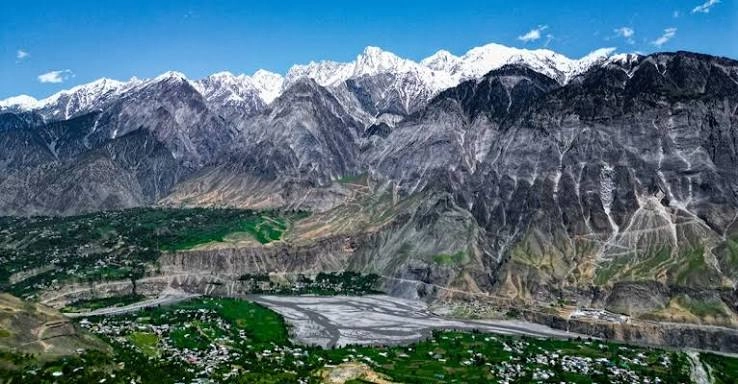
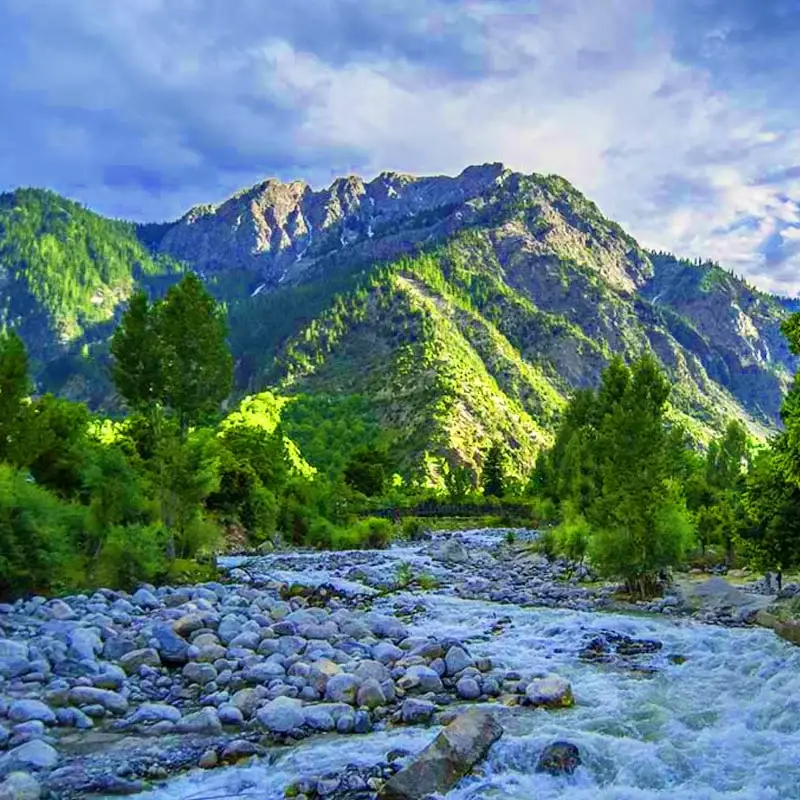
The three Kalash valleys lie in the Hindu Kush mountains of Chitral district, in the far north-west of Khyber Pakhtunkhwa, close to the Afghan border. They branch off the Chitral River near the village of Ayun, south of Chitral town. Each valley is narrow and green, with walnut and mulberry trees, irrigation channels and wooden houses stacked on the slopes.
- Bumburet: the largest valley, with most guesthouses and the museum.
- Rumbur: smaller, quieter and very traditional.
- Birir: the most remote, famous for grapes and the autumn Pul festival.
Who are the Kalash people?
The Kalasha are a community of a few thousand people with their own language, faith and customs. Women wear long black dresses embroidered with bright patterns and striking headdresses decorated with cowrie shells and beads. Their religion honours several gods and spirits connected to the mountains, the herds and the seasons. There are sacred places in every valley, and communal rituals that mark the year. Some Kalasha families have converted to Islam, and Muslim and Kalash neighbours live side by side, often in the same extended families.
For deeper background on their festivals and beliefs, read our guide to Kalash festival dates and traditions.
Best time to visit the Kalash valleys
| Months | What it is like | Good for |
|---|---|---|
| May | Spring green, blossom, Chilam Joshi festival (13–16 May) | Festival lovers, photographers |
| June–July | Warm, lush, rivers full | Village walks, hikes |
| August | Harvest, Uchal festival around 20–22 August | Culture, fewer crowds |
| September–October | Autumn colours, walnut and grape harvest | Relaxed visits, golden light |
| December | Snow, Choimus festival | Experienced, cold-hardy travellers |
| January–April | Cold, very quiet, some roads difficult | Not recommended for first visits |
How to get to the Kalash valleys
By road from Islamabad
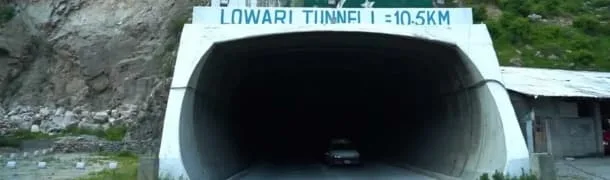
The road route goes through Swat or Mardan, then Dir, and through the Lowari Tunnel into Chitral. It is a long day of 10 to 12 hours, so many travellers break it with a night in Swat or Dir. The Lowari Tunnel has made Chitral reachable all year, but the roads on either side still have slow stretches.
By air to Chitral
There is a short flight from Islamabad to Chitral when it operates. It is spectacular, flying close to Tirich Mir, but it is weather-dependent and the schedule can change, so always keep a road plan as backup.

From Chitral to the valleys
From Chitral town, drive south to Ayun, then up the narrow road into the valley of your choice. Bumburet and Rumbur are about 1.5 to 2 hours from Chitral. Foreigners stop at a checkpost to register and pay a small valley entry fee. Depending on current rules, the police may assign an escort, which your operator arranges.
Saleem’s tip: Do not try to see the Kalash valleys as a day trip from Chitral. The magic happens in the evenings and early mornings, when tourists have left and families are at home. Stay at least three nights.
Top things to do in the Kalash valleys
1. Walk through the villages
The best way to understand Kalash life is simply to walk. Follow the irrigation channels through Brun, Batrik, Krakal and Anish in Bumburet, or Balanguru and Grom in Rumbur. You will pass women working in the fields, children on the way to school and elders sitting in the shade. With a local guide, you will be invited for tea more often than you can accept.
2. Visit the Kalasha Dur museum
In Brun village, Bumburet, the Kalasha Dur is a museum and cultural centre that explains Kalash history, religion, clothing, woodwork and daily life. Visit it early in your stay. It makes everything you see afterwards more meaningful.
3. See the Jestak Han and graveyards from a respectful distance
The jestak han is a family temple with carved wooden pillars. The old Kalash graveyards, where coffins were once left above the ground, are a reminder of very different beliefs about death. Look and learn, but do not enter or touch anything without permission.
4. Hike between Rumbur and Bumburet
For walkers, the trail over the ridge between Rumbur and Bumburet is a full day through forest and high pastures with views to the Hindu Kush. It needs a guide and good fitness. In summer, shepherds’ huts high above the villages show you the herding life that the festivals celebrate.
5. Join a festival
If your dates are flexible, plan around Chilam Joshi in May or Uchal in August. See our Kalash festival dates page for details.
6. Explore Chitral town and beyond
Combine the valleys with Chitral Fort, the white Shahi Mosque, Chitral Gol National Park (home to the markhor, Pakistan’s national animal) and the hot springs of Garam Chashma.
Where to stay in the Kalash valleys
Bumburet has the widest choice of guesthouses and small hotels, many with gardens by the river. Rumbur has a handful of simple, family-run places where you really feel part of village life. Rooms are clean and simple. Electricity can be irregular and hot water may depend on a wood-fired boiler. In festival weeks rooms sell out months ahead. If you travel with us, we book Kalash-owned guesthouses so your money supports the community directly.
Etiquette: how to be a good guest
- Photos: always ask, especially women and children. Accept a no gracefully.
- Sacred places: do not enter temples, the bashali (women’s house) or graveyards uninvited.
- Dress: modest clothing, covering shoulders and knees.
- Gifts: instead of sweets or money for children, support the school or buy crafts.
- Respect beliefs: do not compare Kalash customs with other religions or ask intrusive questions about marriage and purity rules.
Safety and permits
The Kalash valleys are in Khyber Pakhtunkhwa, and some governments advise against travel to parts of this province. Read your government’s advice and our honest Pakistan safety guide before you book. On the ground, the valleys are peaceful and welcoming. Foreigners register at the checkpost and may be accompanied by police, which is normal and nothing to worry about. Carry your passport, visa and photocopies.
Sample 7-day Kalash itinerary
- Day 1: Islamabad to Swat or Dir.
- Day 2: Through the Lowari Tunnel to Chitral.
- Day 3: Chitral Fort and mosque, drive to Bumburet.
- Day 4: Village walks and Kalasha Dur museum.
- Day 5: Day in Rumbur.
- Day 6: Back to Chitral or Dir.
- Day 7: Return to Islamabad.
Our 10-day Kalash Valley and Chitral tour adds Garam Chashma and more time in the valleys. The 8-day Chitral, Kalash and Peshawar tour ends with the old city of Peshawar.
Visit the Kalash with people who know them. We work with Kalash families and guesthouses, and we plan around festivals and road conditions.
Kalash crafts and what to buy
The most beautiful souvenir from the valleys is something made by hand by a Kalash family. Women embroider belts, headbands and small bags with the same bright patterns you see on their dresses, and some make the beaded necklaces worn in layers at festivals. Men carve wood, and you may find small carved panels or walking sticks. Prices are fair and fixed in most family shops. Buying directly from the maker is the best way to make sure your money stays in the valley. Dried mulberries, walnuts and apricots from the valleys also make good gifts, and they travel well.
How to support the Kalash community
The Kalash face real pressures: a small population, limited jobs, and a culture that many outsiders treat as a curiosity. Tourism can help or harm. You can be on the helpful side by:
- staying in Kalash-owned guesthouses and eating in family kitchens,
- hiring a local Kalash guide for village walks,
- buying crafts directly from families,
- donating to local schools or community projects through a trusted contact rather than giving money to children,
- and sharing respectful stories and photos afterwards, never mocking or exoticising.
On our tours, a part of every booking to the valleys is spent with Kalash families: guesthouses, guides, cooks and drivers. It is a small thing, but over many years it adds up.
What to pack for the Kalash valleys
- Comfortable walking shoes for uneven village paths and short hikes.
- Warm layers for evenings, even in summer, and serious winter clothing from November to March.
- A headtorch, because village lanes are dark at night.
- Cash in small notes. There are no ATMs in the valleys.
- A power bank, as electricity can be irregular.
- A scarf or shawl for women, useful in Chitral town and in mosques.
A day in a Kalash village
If you stay a few nights, you start to notice the rhythm of the day. Early in the morning, smoke rises from the flat roofs as families make bread and tea. Women walk to the fields with baskets on their backs, children head to school in uniforms, and men take goats up the slopes. Around midday the valley goes quiet in the heat. In the evening, people gather by the river, at the shops along the main path, or on the roofs to talk. On many evenings our guests are invited into a home to sit by the fire. That is the moment most of them remember, much more than any photo.
Kalash Valley FAQs
Which Kalash valley is best to visit?
Bumburet is easiest for a first visit, with the most guesthouses and the museum. Rumbur is better if you want a quieter, more traditional experience. Ideally, see both.
How far is the Kalash valley from Islamabad?
By road it is roughly 10 to 12 hours to Chitral, plus 1.5 to 2 hours to the valleys, so plan two days each way. Flying to Chitral, when it operates, saves most of a day.
Is there an entry fee for the Kalash valleys?
Yes, foreigners pay a small entry fee and register at the checkpost on the way into the valleys.
Can I visit the Kalash valleys in winter?
Yes, especially for the Choimus festival in December, but it is very cold and facilities are basic. Most travellers prefer May to October.