Quick answer: Gilgit-Baltistan is Pakistan’s mountain region, home to K2, Nanga Parbat and the Karakoram Highway. The best time to visit is April to October. Fly into Gilgit or Skardu, give yourself at least 8 to 10 days, and combine Hunza with Skardu or Fairy Meadows. Most areas need no special permit, but treks near the borders do.
Gilgit-Baltistan is my home. I grew up in Hunza with Rakaposhi outside the window, and for more than ten years I have guided travellers through every corner of this region, from the forts of Hunza to the sand dunes of Skardu and the glaciers below K2. People often ask me where to start. This guide is my answer: an overview of the regions, how to get around, when to come, how long to stay and what each valley does best.
Gilgit-Baltistan at a glance
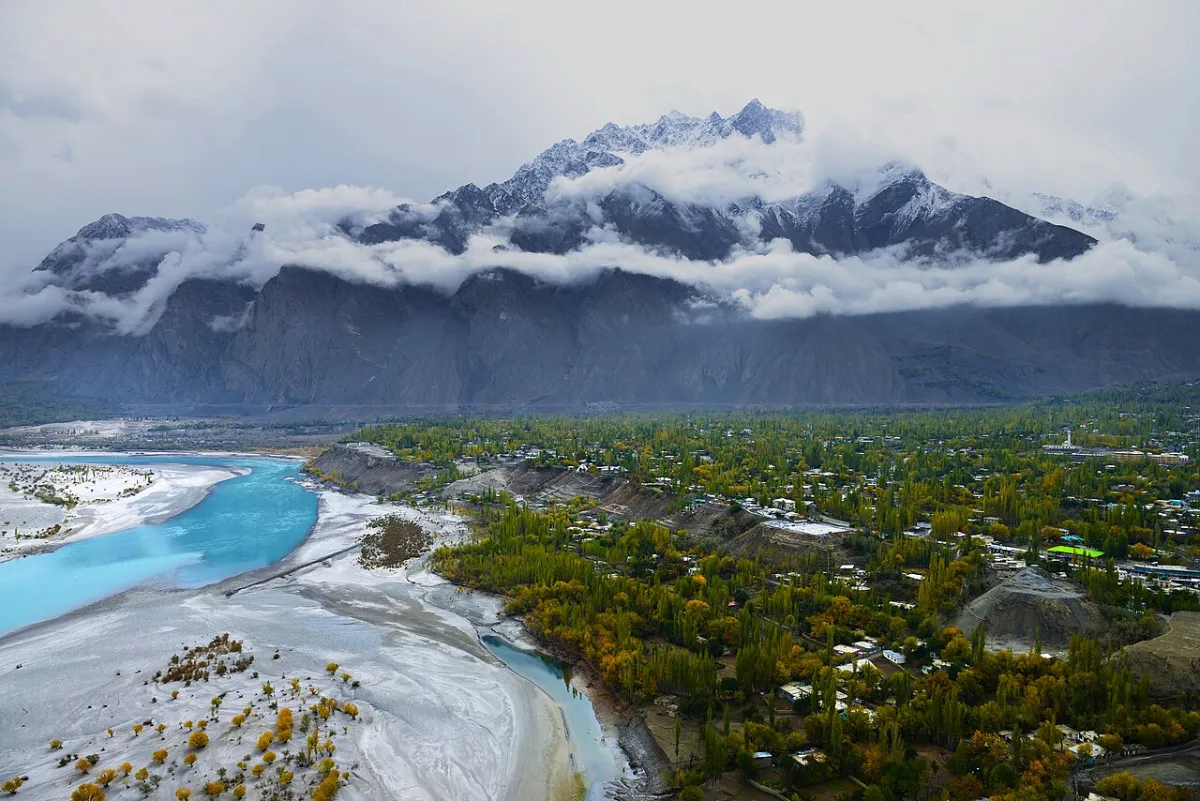
Gilgit-Baltistan (GB) covers the far north of Pakistan, bordering China, Afghanistan’s Wakhan corridor and India-administered Kashmir. Three of the world’s great mountain ranges meet here: the Karakoram, the Himalaya and the Hindu Kush. Five of the world’s fourteen peaks above 8,000 m stand in GB, including K2 (8,611 m), the second highest mountain on earth, and Nanga Parbat (8,126 m). The region also has some of the longest glaciers outside the polar regions, such as the Baltoro, Biafo and Hispar.
About two million people live in GB, speaking languages like Shina, Burushaski, Wakhi, Balti and Khowar. Ismaili, Shia, Sunni and Noorbakhshi Muslims live in different valleys, each with their own traditions. That mix of landscapes and cultures is what makes a trip here so rich. Read more in our guide to the culture and traditions of Gilgit-Baltistan.
The main regions of Gilgit-Baltistan
Gilgit
Gilgit city is the capital and transport hub, with the airport, bazaars and offices. Most travellers spend a night here at most. Nearby you can see the Kargah Buddha, a rock carving from around the 7th century, and the point where the Gilgit and Hunza rivers meet.
Hunza and Nagar
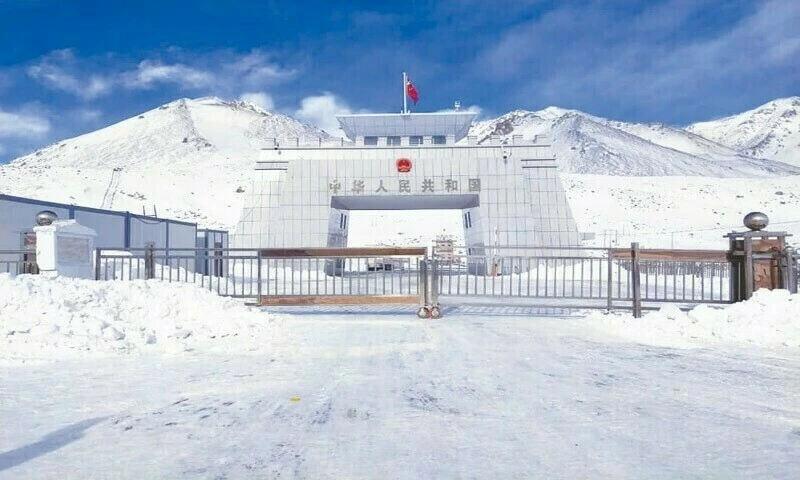
The most famous valley in Pakistan, with Baltit and Altit forts, Attabad Lake, the Passu Cones and the road to Khunjerab Pass on the Chinese border. Across the river, Nagar has the Hopar Glacier and Rakaposhi Base Camp. Our full Hunza Valley travel guide covers it in detail.
Skardu and Baltistan
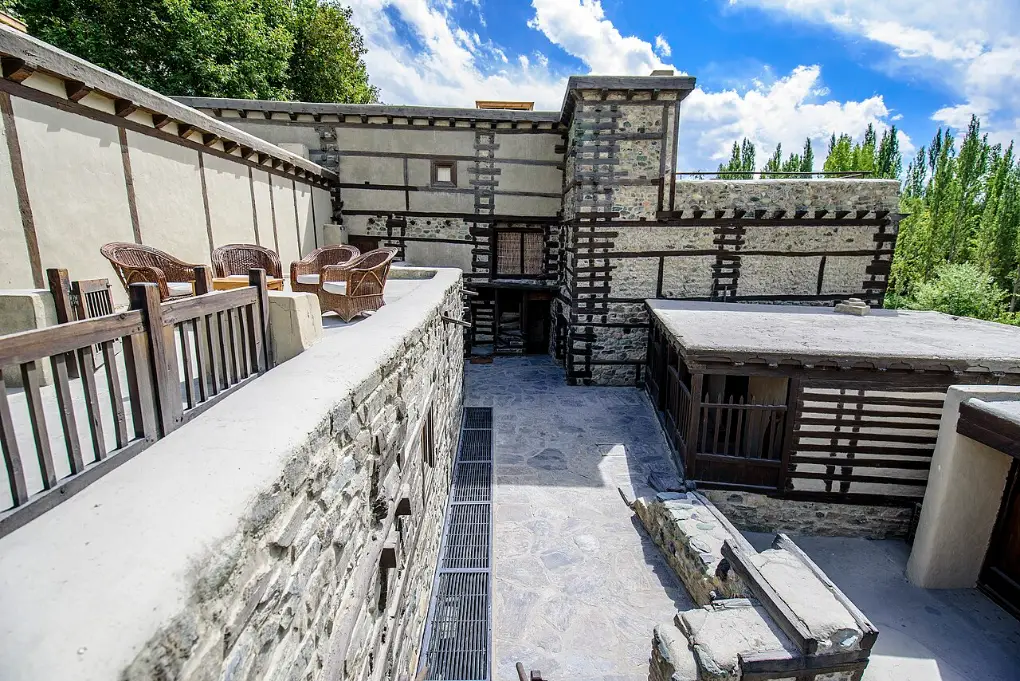
Baltistan is wider and wilder than Hunza. Around Skardu you find the cold desert of Katpana, Satpara and Upper Kachura lakes, Kharpocho Fort and the Manthal Buddha Rock. A short drive away, Shigar has a beautifully restored fort-palace, and Khaplu, further east, has a royal palace and an old wooden mosque. Skardu is also the starting point for K2 Base Camp and other big Karakoram treks.
Deosai Plains
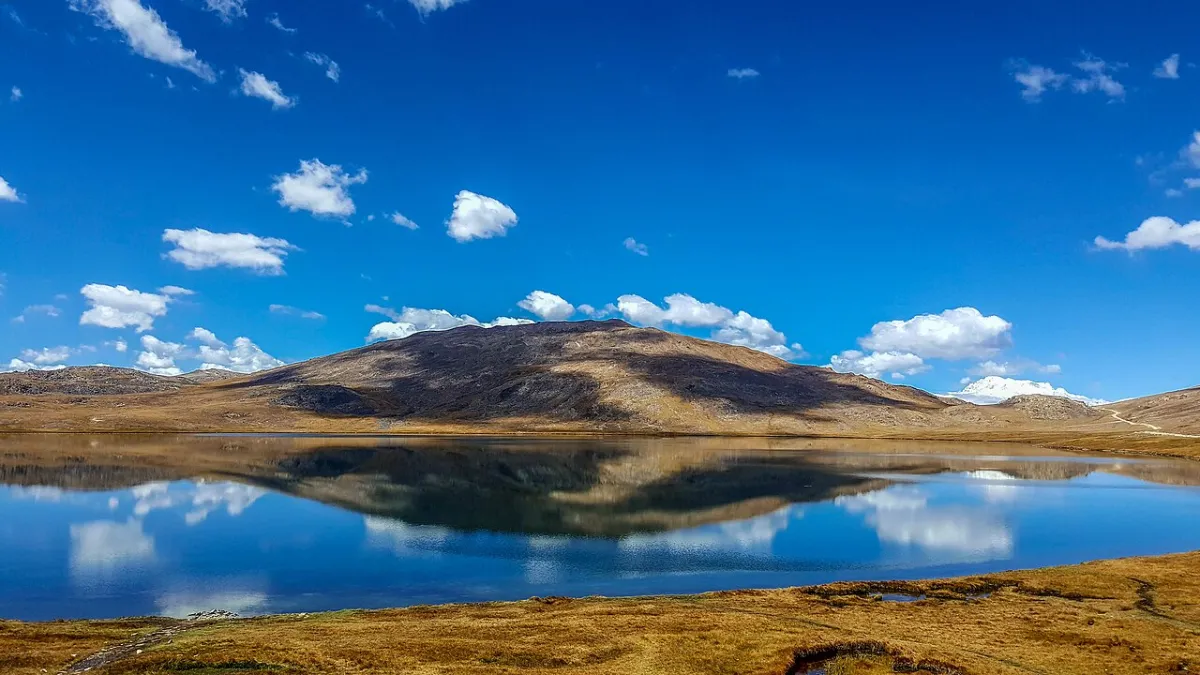
Between Skardu and Astore, Deosai is one of the highest plateaus in the world, averaging around 4,000 m. In July and August it is covered in wildflowers and is one of the last homes of the Himalayan brown bear. Sheosar Lake on the Astore side is breathtaking on a still day. The plains are reachable only in summer, by jeep.
Astore and Fairy Meadows
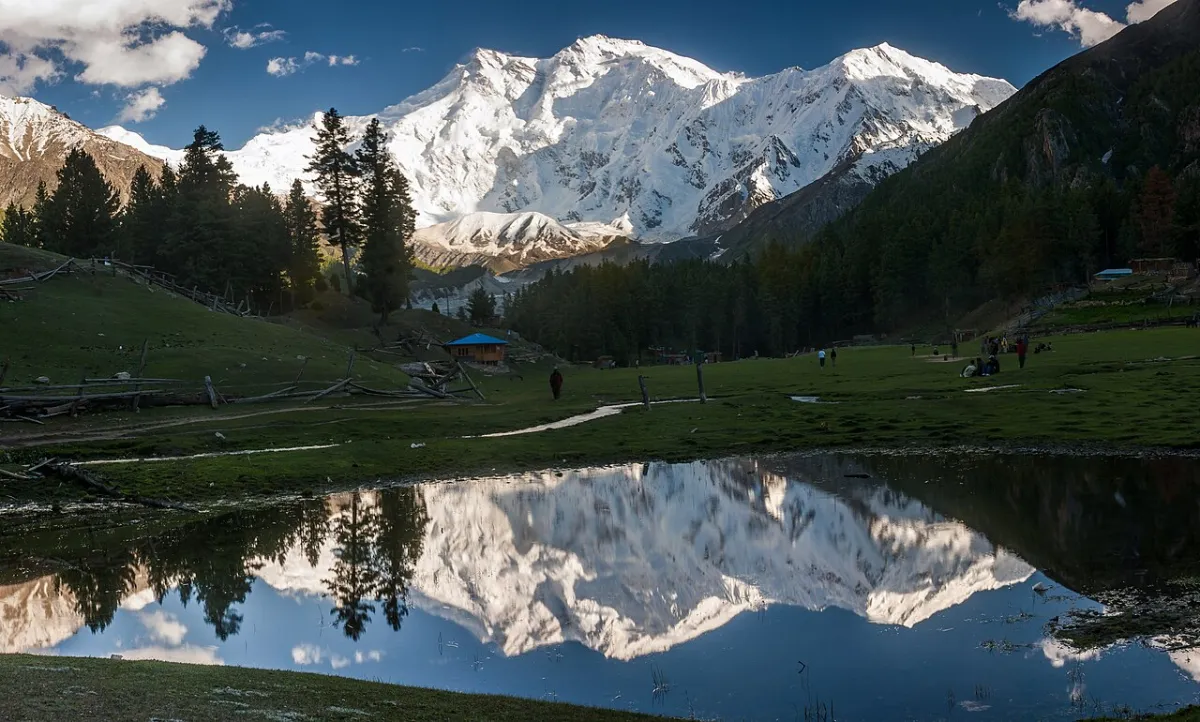
Fairy Meadows is a forest meadow at the foot of Nanga Parbat’s north face, the Rakhiot Face. Getting there involves a famous jeep road from Raikot Bridge on the Karakoram Highway to Tato, then a walk of two to three hours. Above the meadows, the trail continues to Beyal Camp and Nanga Parbat Base Camp. Astore Valley, on the other side of the mountain, leads to Rama Meadows and the Rupal Face.
Ghizer and Shandur
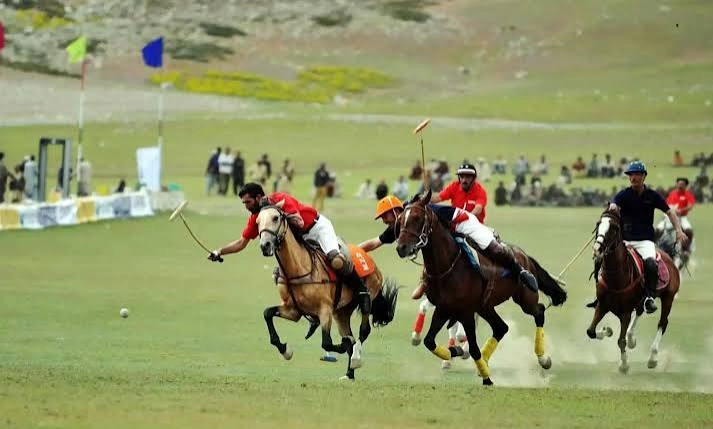
West of Gilgit, the Ghizer valley leads through quiet villages and blue rivers to Phander Lake and on to Shandur Pass, at over 3,700 m, which connects GB with Chitral. In early summer Shandur hosts the famous Shandur Polo Festival on the highest polo ground in the world. In 2026, Gilgit-Baltistan’s team beat Chitral in a dramatic final.
Best time to visit Gilgit-Baltistan
| Season | Months | Best for |
|---|---|---|
| Spring | Late March – May | Cherry and apricot blossom in Hunza and Skardu |
| Summer | June – August | Treks, Deosai, Fairy Meadows, K2 Base Camp, festivals |
| Autumn | September – October | Golden colours, clear skies, photography |
| Winter | November – March | Snow, quiet valleys, winter festivals (cold and fewer services) |
How to get to Gilgit-Baltistan
Flights
There are daily flights from Islamabad to Gilgit and Skardu, usually about an hour. They are scenic but weather-dependent and are often cancelled or delayed. Never plan an international connection on the same day as a northern flight, and always keep a buffer day.
By road
The Karakoram Highway (KKH) runs from Hasan Abdal near Islamabad all the way to Khunjerab Pass. Between Islamabad and Gilgit there are two routes: the KKH through Besham and Chilas, open all year, and the summer route over Babusar Pass through Naran. Skardu is reached by a separate road from the KKH near Jaglot, along the Indus gorge. Some foreign governments flag parts of these roads as higher risk, and the Canadian government advises against travelling to GB by road. For that reason we usually fly at least one way and check road conditions daily.
Saleem’s tip: Fly into one airport and out of the other. For example, fly Islamabad to Skardu, drive to Hunza via Gilgit, and fly home from Gilgit. You save time, see more, and never drive the same road twice.
Permits and rules
You do not need a special permit to visit Hunza, Skardu, Fairy Meadows, Deosai or most tourist areas of GB. Carry your passport and visa, and expect police checkposts where your details are noted. Treks and climbs in restricted areas near the borders, including K2 Base Camp and many Baltoro and Hushe valley treks, need a trekking permit arranged through a licensed tour operator, along with a liaison officer for some routes. Climbing peaks above 6,500 m requires an expedition permit. Our adventure tours guide explains the big treks.
Safety in Gilgit-Baltistan
Daily life in GB is calm, and the people are famous for their hospitality. Still, I want you to make an informed decision. The UK government currently advises against all but essential travel to GB because of unrest, protests and communication outages, and other governments have their own warnings. The most common practical risks are road closures, landslides, altitude and flight cancellations. Read our honest safety guide and check your insurance before booking.
How many days do you need?
| Trip length | What you can see | Our tour |
|---|---|---|
| 6 days | Hunza and Khunjerab Pass | 6-day Hunza tour |
| 9–10 days | Hunza and Skardu | 10-day Hunza and Skardu |
| 10 days | Hunza and Fairy Meadows | 10-day Hunza and Fairy Meadows |
| 12 days | Hunza, Skardu and Fairy Meadows | 12-day grand tour |
| 19 days | The full region, or K2 Base Camp trek | 19-day GB tour · K2 Base Camp trek |
Adventure in the Karakoram
For many travellers, GB is first of all about adventure. There are classic treks like K2 Base Camp and Gondogoro La, Snow Lake over the Hispar and Biafo glaciers, and Rakaposhi and Nanga Parbat base camps. Easier day hikes include Ultar meadow, Patundas above Passu and the trails around Fairy Meadows. You can also go jeep safaris across Deosai, rafting on the Indus near Skardu, or ice and rock climbing for experienced climbers. If you want a taste of the big mountains without camping for weeks, a day hike to a glacier viewpoint or a night at Fairy Meadows gives you that feeling of standing in front of a giant.
Food, money and connectivity
- Food: try chapshuro and walnut cake in Hunza, mamtu (dumplings) in Gilgit and Baltistan, and apricot everything. See our food guide.
- Money: ATMs in Gilgit, Aliabad, Karimabad and Skardu. Carry cash for remote valleys. Cards are rarely accepted.
- Phone: SCOM and Zong have the best coverage. Data can be slow, and sometimes it is shut down during events or protests.
- Power: hotels have generators or solar, but carry a power bank.
Respect the land and the people
GB’s environment is fragile and its communities are small. Take your rubbish with you, especially on treks. Dress modestly, ask before taking photos of people, and respect prayer times and religious places. Use local guides, drivers and guesthouses, so that tourism supports the families who live here all year.
Plan Gilgit-Baltistan with a team from Hunza. We design private routes around flights, roads and the season, with local guides in every valley.
Sample 10-day Gilgit-Baltistan itinerary
- Day 1: Arrive in Islamabad, rest and city tour.
- Day 2: Fly to Skardu, visit Kharpocho Fort and the Katpana cold desert at sunset.
- Day 3: Shigar Fort and the Sarfaranga desert, or Upper Kachura Lake.
- Day 4: Day trip to Khaplu Palace and the old mosque of Chaqchan.
- Day 5: Deosai Plains by jeep in summer, or Satpara Lake and Manthal Buddha Rock.
- Day 6: Drive along the Indus to Gilgit and on to Hunza.
- Day 7: Baltit Fort, Altit Fort and Ganish village.
- Day 8: Attabad Lake, Passu and Khunjerab Pass.
- Day 9: Hopar Glacier and Rakaposhi viewpoint, drive to Gilgit.
- Day 10: Fly from Gilgit to Islamabad.
Where to stay in Gilgit-Baltistan
Accommodation has improved a lot in the last ten years. In Hunza and Skardu you will find everything from family guesthouses to boutique hotels and heritage stays, such as the restored forts at Shigar and Khaplu, now run as hotels. Gilgit has a few business hotels convenient for flights. In remote places like Fairy Meadows, Deosai, Shimshal or the Hushe valley, expect simple wooden cottages, camps or homestays with shared bathrooms. They are part of the adventure. In peak season, the best rooms in Hunza and Skardu book out weeks in advance, so plan early or let a local operator handle it.
Gilgit-Baltistan FAQs
Do foreigners need a permit for Gilgit-Baltistan?
No permit is needed for the main tourist areas like Hunza, Skardu, Deosai and Fairy Meadows. Treks in restricted border zones, such as K2 Base Camp, need a trekking permit through a licensed operator.
Is Hunza or Skardu better?
Hunza is easier and more varied for a first visit. Skardu is wilder and the gateway to K2 and Deosai. With 10 days you can see both.
Can I visit Gilgit-Baltistan in winter?
Yes, Hunza and Skardu are open in winter and very beautiful, but it is cold, some hotels close, Deosai and high passes are closed, and flights are often delayed.
How do I get from Islamabad to Skardu?
Fly in about an hour when the weather is clear, or drive in roughly two days via the Karakoram Highway and the Jaglot–Skardu road.