Quick answer: The best places to visit in Pakistan are Hunza Valley, Skardu, Fairy Meadows, Lahore, Islamabad, Peshawar, the Kalash valleys, Mohenjo-daro, Taxila, Rohtas Fort and Naran Kaghan. For a first trip, combine the mountains of Gilgit-Baltistan with one historic city such as Lahore or Peshawar.
Pakistan is a country of extremes. In two weeks you can stand below the second highest mountain on earth, walk the streets of a 4,500-year-old city, pray in one of the largest mosques in the world and eat your way through a Mughal-era bazaar. After more than ten years of planning trips here, I know that the hardest part for most travellers is choosing. This guide lists the places I recommend most, region by region, with honest notes on who each one suits.
The mountains of the north
1. Hunza Valley
The jewel of the Karakoram, with forts, villages, glaciers and some of the friendliest people you will ever meet. Hunza is the easiest high-mountain destination in Pakistan for first-timers. Do not miss Baltit Fort, Attabad Lake, the Passu Cones and Khunjerab Pass on the Chinese border. Read our Hunza Valley travel guide.
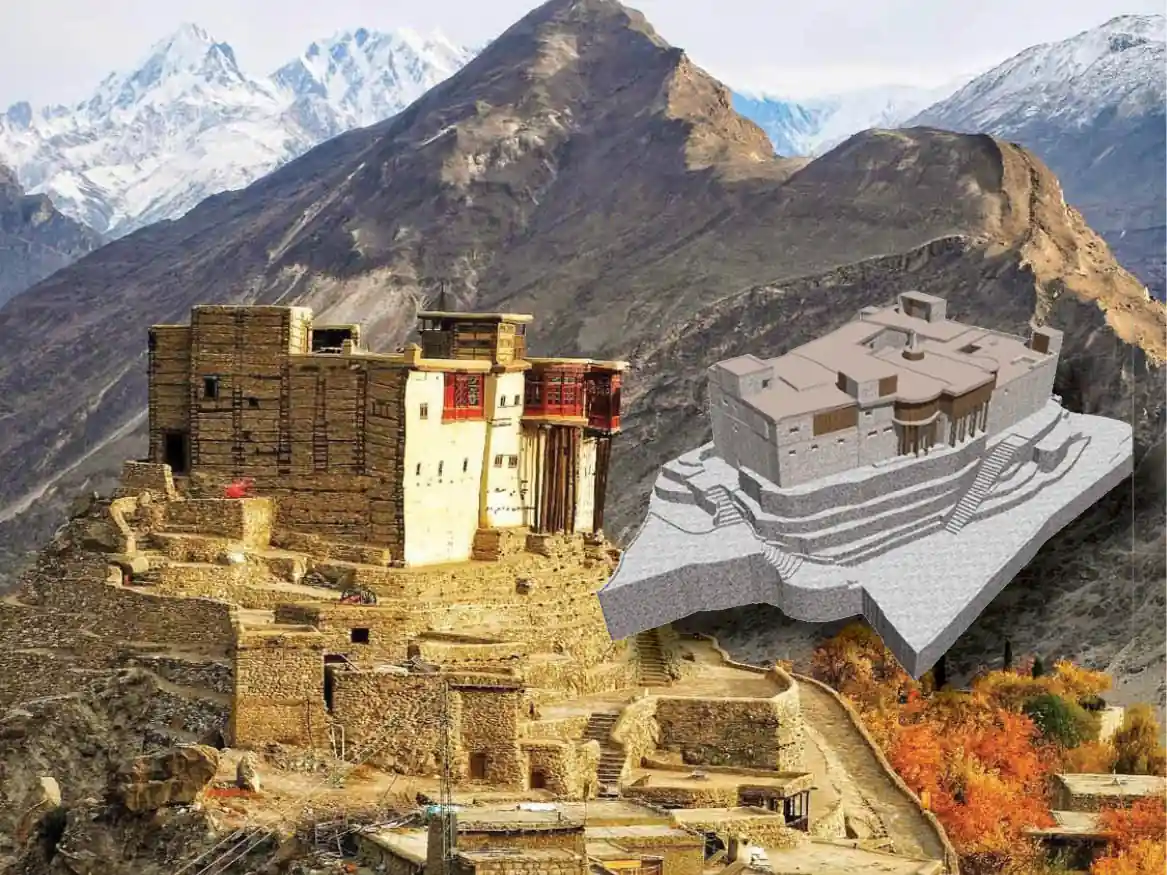
2. Skardu and Baltistan
Wide valleys, sand dunes beside snow peaks, blue lakes and royal palaces at Shigar and Khaplu. Skardu is the gateway to K2 Base Camp and the Deosai Plains.
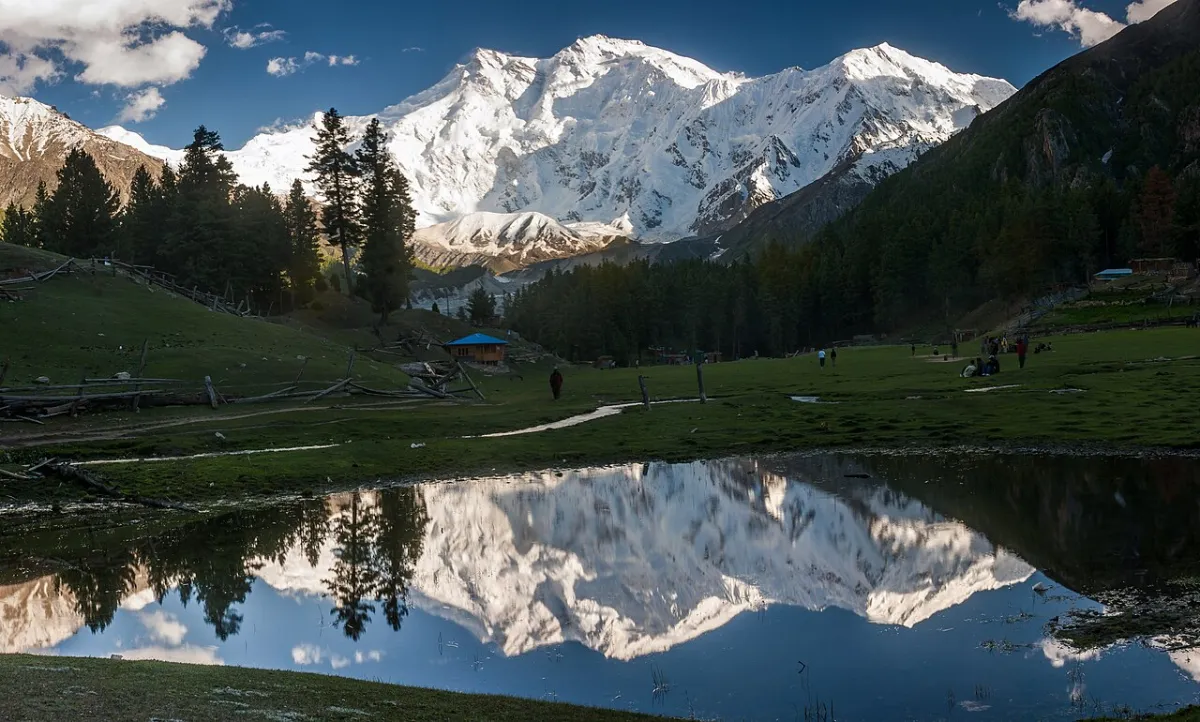
3. Fairy Meadows
A forest meadow facing Nanga Parbat’s north face, reached by a dramatic jeep road and a short trek. Spend at least one night for sunset and stars.
4. Naran Kaghan
The closest big mountain valley to Islamabad, with Lake Saif-ul-Malook and Babusar Top. Busy in summer, but beautiful. See our Naran Kaghan guide.
5. The Kalash valleys and Chitral
Home of the Kalash people, with their own faith, dress and festivals, in the Hindu Kush. Plan around Chilam Joshi in May if you can. See our Kalash Valley guide.
For a deeper list of mountain places, read our guide to the best places in northern Pakistan.
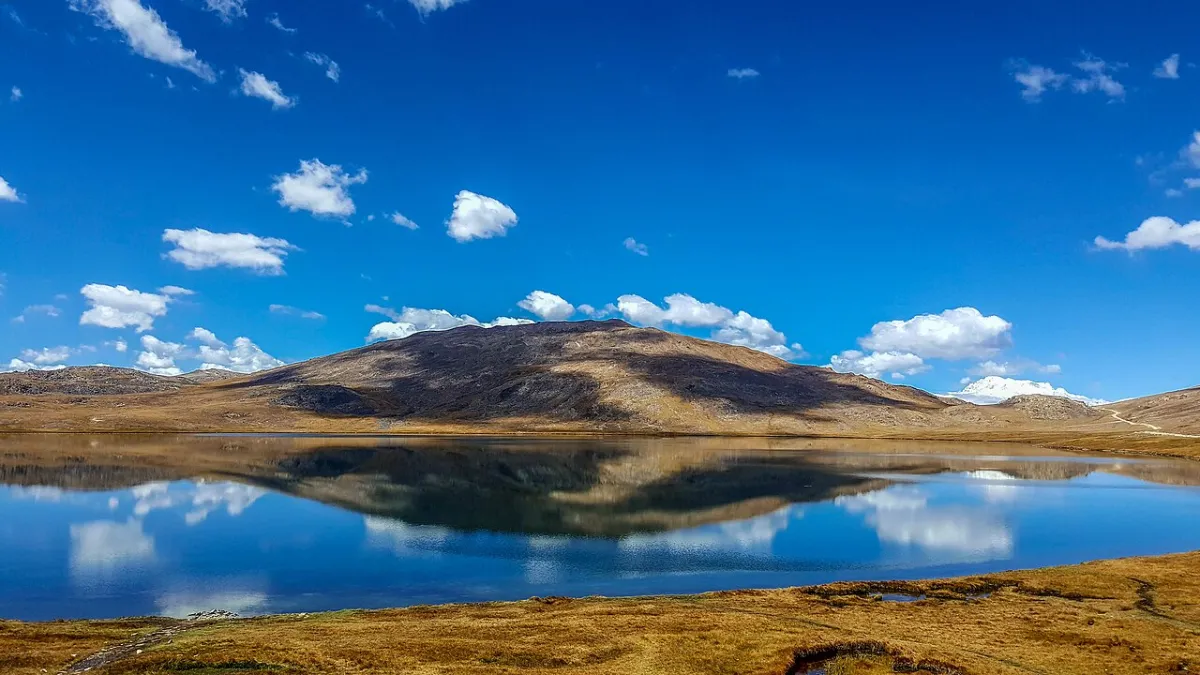
6. Deosai Plains
Between Skardu and Astore lies one of the highest plateaus on earth. In July and August, Deosai turns into a sea of wildflowers with clear streams, marmots everywhere and, if you are lucky, a Himalayan brown bear in the distance. Sheosar Lake near the Astore side reflects the surrounding peaks on calm mornings. It is only reachable by jeep in summer and is best combined with a trip to Skardu.
7. Swat Valley
Swat is a green valley of rivers, orchards and forests with a deep Buddhist past. Kalam and Mahodand Lake are the main scenic highlights, Malam Jabba has a ski resort, and around Mingora you can visit Buddhist stupas and rock carvings from the Gandhara period. Swat is in Khyber Pakhtunkhwa, so check your government’s latest advice before you plan a visit.
Historic cities
8. Lahore
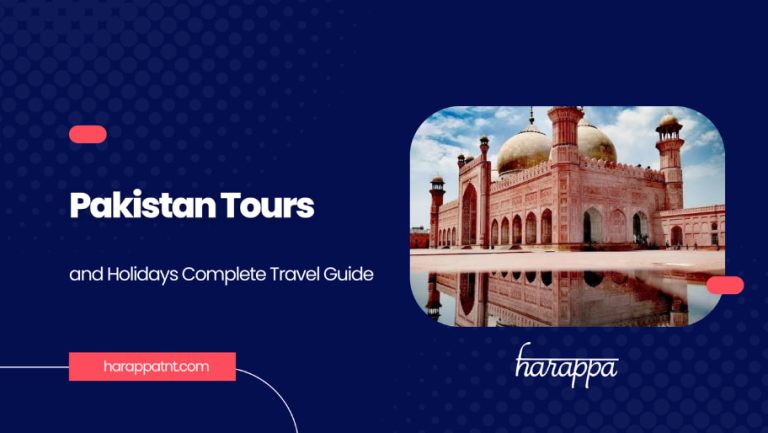
Lahore is the cultural heart of Pakistan. Its Mughal monuments are among the finest in South Asia: the Badshahi Mosque, Lahore Fort with its painted Picture Wall, the Wazir Khan Mosque covered in tile work, and the Shalimar Gardens. The Walled City is a maze of bazaars, havelis and food streets. Lahore is also the best food city in the country. Go hungry.
9. Islamabad and Rawalpindi
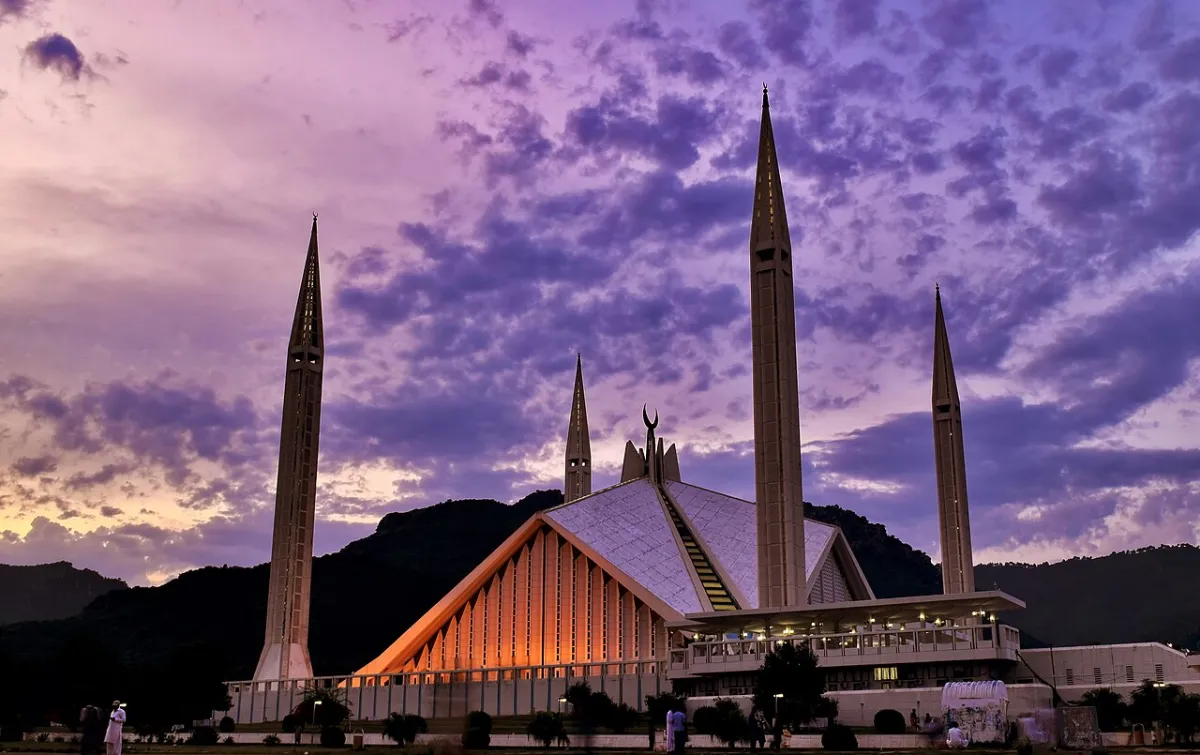
Islamabad is green, calm and modern, set below the Margalla Hills. Visit the Faisal Mosque, the Pakistan Monument, the Lok Virsa heritage museum and the Saidpur village. Rawalpindi next door has the busy Raja Bazaar and some of the best street food in Punjab. Most trips start here.
10. Peshawar
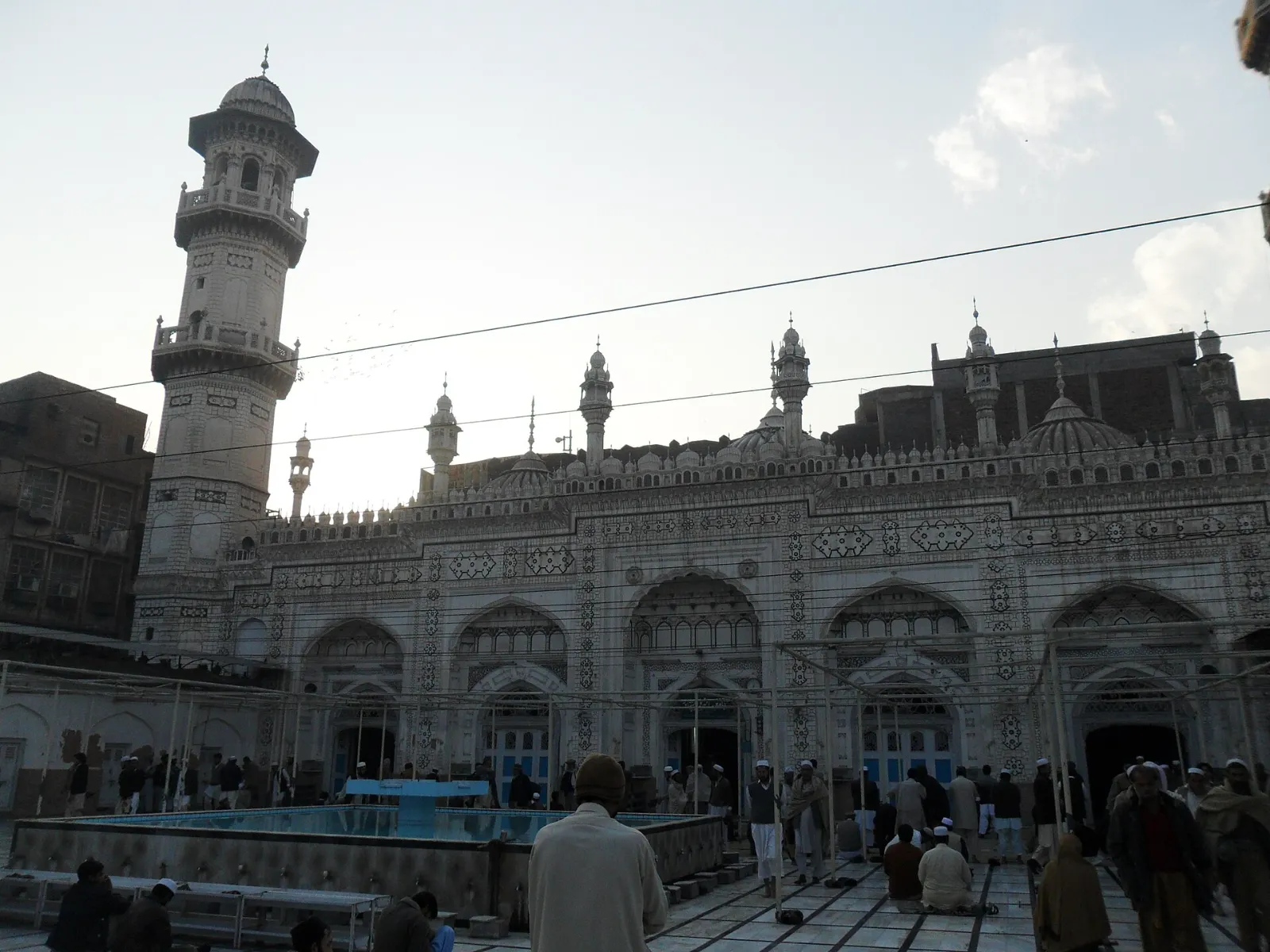
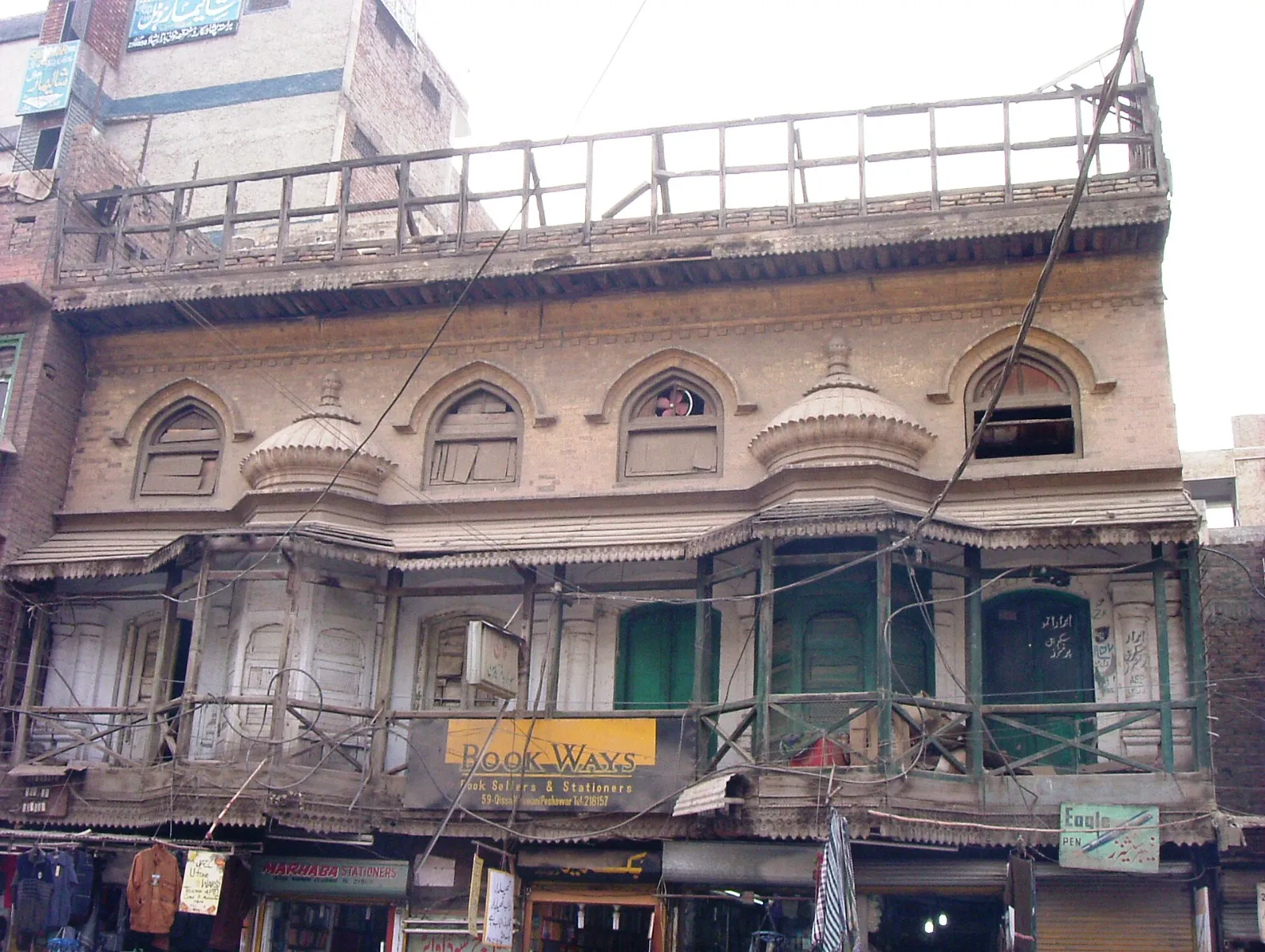
One of the oldest living cities in South Asia, on the old trade route to Central Asia. Walk through Qissa Khwani Bazaar, the Sethi House with its carved wooden rooms, the Mahabat Khan Mosque and the Gor Khatri caravanserai. The Peshawar Museum holds one of the best Gandhara art collections in the world. Peshawar is in Khyber Pakhtunkhwa, where some governments advise against travel, so visit with a licensed operator. See our Peshawar tours.
11. Multan and Bahawalpur
Multan, the “city of saints”, is famous for its blue-tiled shrines, especially the tombs of Shah Rukn-e-Alam and Bahauddin Zakariya. Bahawalpur, further south, has the white Noor Mahal palace and, in the Cholistan desert, the huge walls of Derawar Fort.
Ancient history and archaeology
12. Mohenjo-daro
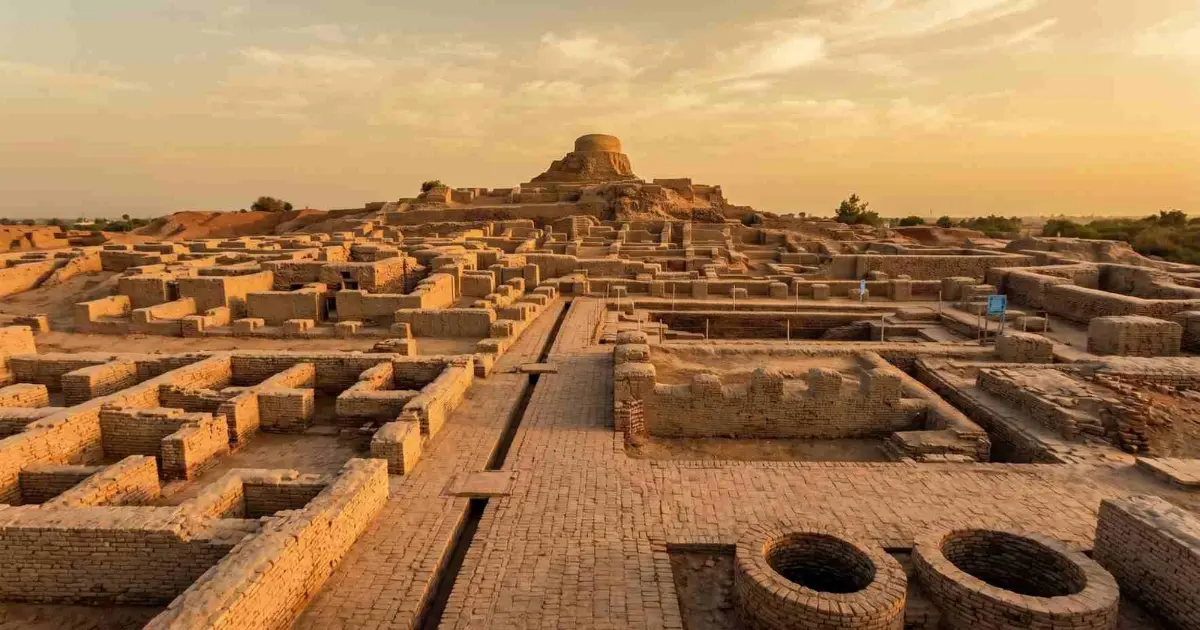
One of the great cities of the Indus Valley Civilisation, built around 2500 BCE, and a UNESCO World Heritage Site. You walk on brick streets laid out on a grid, past the Great Bath, granaries and houses with drains, in a city that was planned more than 4,000 years ago. It lies in Sindh, near Larkana. See our Mohenjo-daro tours.
13. Taxila
Just outside Islamabad, Taxila was a great centre of Buddhist learning and Gandhara art. Its museum and sites, like Sirkap and the Dharmarajika stupa, are UNESCO-listed and easy to visit on a day trip.
14. Takht-i-Bahi
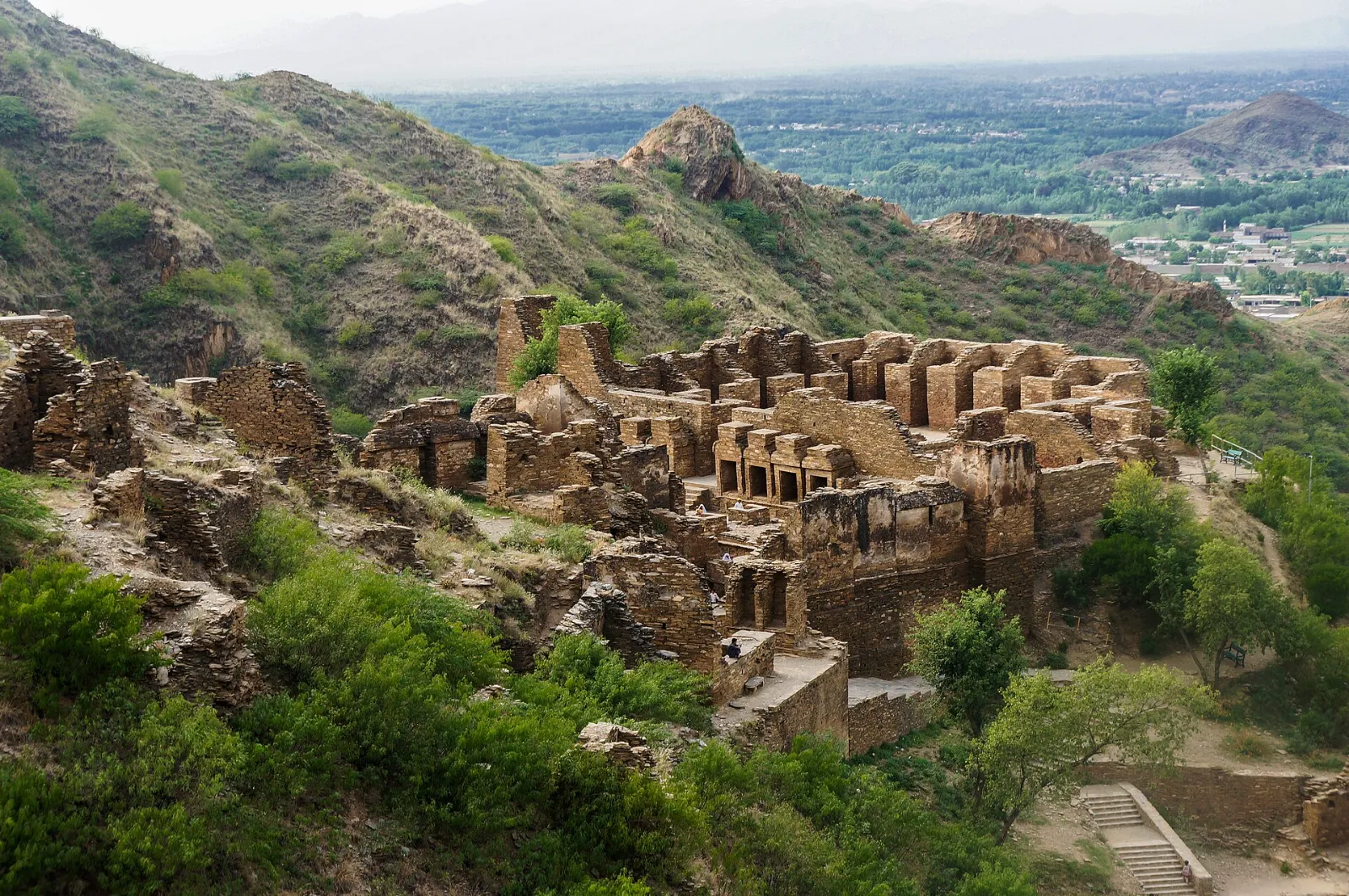
A Buddhist monastery complex on a hilltop near Mardan, also on the UNESCO list. It is one of the best-preserved Buddhist monasteries in the region, with courtyards, stupas and meditation cells.
15. Rohtas Fort
A massive 16th-century fortress built by Sher Shah Suri near Jhelum. Its walls run for about four kilometres and its gates are spectacular. It is another UNESCO site and a good stop between Islamabad and Lahore.
16. Makli Necropolis and Thatta
Near Thatta in Sindh, Makli is one of the largest necropolises in the world, with thousands of carved stone tombs spanning several centuries. Nearby, the Shah Jahan Mosque in Thatta is famous for its blue tile work and its many domes.
17. Katas Raj and the Salt Range
In the Salt Range of Punjab, the Katas Raj temples surround a sacred pond, and the Khewra Salt Mine, one of the oldest and largest salt mines in the world, has tunnels and a mosque made of pink salt bricks.
18. Karachi
Karachi is Pakistan’s largest city and its economic centre, a huge, energetic port on the Arabian Sea. It is not a classic tourist city, but it has the tomb of Quaid-e-Azam, colonial buildings around Saddar, the Mohatta Palace museum, Clifton beach and some of the best seafood and street food in the country. Most international visitors only pass through, often on the way to Mohenjo-daro or Makli. If you go, use trusted local transport and follow the news.
Visiting mosques, shrines and temples
Many of Pakistan’s best places are religious sites that are still in use. A little preparation makes visits easier and more respectful:
- Dress modestly. Women should carry a scarf to cover their hair in mosques and shrines.
- Take off your shoes where others do. There is usually a place to leave them.
- Avoid visiting during Friday midday prayers, when mosques are full.
- Ask before photographing people praying, and keep your voice low.
- At Sufi shrines, especially on Thursday evenings, you may hear qawwali music. It is a beautiful experience if you sit quietly at the side.
How to travel between regions
Pakistan is bigger than it looks on a map. Domestic flights link Islamabad with Lahore, Karachi, Gilgit, Skardu and Chitral. The motorway network makes Islamabad to Lahore about four and a half hours by road. In the north, roads are slow and mountainous, so plan no more than one region change every few days. A private car with a driver is by far the most comfortable way to travel, and it is how all our tours run.
Where we do not take tourists
Pakistan has beautiful places that are not currently suitable for foreign tourists, mainly in Balochistan, the former tribal areas and near the Afghan border and the Line of Control. Places like the Hingol National Park and the Makran coast are stunning, but most foreign governments advise against travel there. Read our honest guide to safety in Pakistan before you plan.
Pakistan at a glance: what each region offers
| Region | Best for | Top places | Best time |
|---|---|---|---|
| Gilgit-Baltistan | Mountains, treks, villages | Hunza, Skardu, Fairy Meadows, Deosai | April–October |
| Khyber Pakhtunkhwa | Culture, valleys, Gandhara | Kalash, Chitral, Swat, Peshawar, Naran | May–October |
| Punjab | Mughal heritage, food | Lahore, Rohtas, Taxila, Multan | October–March |
| Islamabad | Modern capital, easy start | Faisal Mosque, Margalla Hills | October–April |
| Sindh | Ancient history | Mohenjo-daro, Makli, Thatta | November–February |
Saleem’s tip: The mountains and the plains have opposite seasons. Summer is perfect in the north but extremely hot in Lahore and Sindh. Winter is ideal for cities and Mohenjo-daro but cold in the mountains. In April or October you can do both comfortably.
Best places in Pakistan by interest
- Mountains and glaciers: Hunza, Skardu, Fairy Meadows, Deosai and the Baltoro Glacier on the K2 trek.
- History and architecture: Lahore, Rohtas Fort, Taxila, Takht-i-Bahi, Mohenjo-daro and Makli.
- Living culture: the Kalash valleys, Ganish in Hunza, Peshawar’s old city and the Sufi shrines of Multan.
- Food: Lahore, Peshawar, Rawalpindi and Karachi for street food, and Hunza for mountain cooking.
- Adventure: trekking in Baltistan and Hunza, rafting in Kaghan and Skardu, and jeep safaris across Deosai.
Whatever you choose, leave space for the unplanned moments. Some of the best memories our guests take home are not the famous sights but a cup of tea in a village house, a conversation in a bazaar or a roadside stop where the whole valley suddenly opens up in front of them.
How to build your first Pakistan itinerary
- 10 days, mountains: Islamabad, Skardu and Hunza. Try our 10-day Hunza and Skardu tour.
- 12 days, mountains plus Nanga Parbat: the 12-day Hunza, Skardu and Fairy Meadows tour.
- 8 days, culture: Chitral, Kalash and Peshawar on the 8-day tour.
- 17 days, the full journey: from Lahore to the Karakoram on the 17-day Pakistan tour.
Our Pakistan travel guide covers visas, money, SIM cards and transport to help you plan.
Let a local team build your route. Tell us how many days you have and what you love, and we will suggest the best mix.
Best places in Pakistan: FAQs
What is the number one tourist place in Pakistan?
Hunza Valley is the most popular destination for foreign travellers, while Lahore is the most visited city for culture and food.
How many UNESCO World Heritage Sites does Pakistan have?
Pakistan has six UNESCO World Heritage Sites: Mohenjo-daro, Taxila, Takht-i-Bahi and Sahr-i-Bahlol, Lahore Fort and Shalimar Gardens, Makli at Thatta, and Rohtas Fort.
What is the best month to visit Pakistan?
April and October are the best all-round months, when both the mountains and the cities are pleasant.
How many days do I need to see Pakistan?
Ten to twelve days is enough for the northern mountains. Two to three weeks lets you add Lahore, Peshawar or Mohenjo-daro.