Quick answer: Altitude sickness is rare below about 2,500 m but common above it if you go up too fast. In northern Pakistan, the places to watch are Khunjerab Pass (around 4,700 m), Babusar Top (about 4,170 m), Deosai (around 4,000 m) and treks like K2 Base Camp. Go up gradually, sleep lower than your highest point, drink plenty of water, and go down if symptoms get worse. Talk to a doctor before your trip about medicines and vaccinations.
In more than ten years of guiding in Gilgit-Baltistan, I have seen strong, fit people get headaches at Khunjerab and older, slower guests walk happily over high passes. Altitude does not care how fit you are. It cares how fast you go up. This guide explains how altitude affects you on a Pakistan trip, how high the popular places are, how we plan to avoid problems, and the other health basics that keep a trip enjoyable. It is practical advice from the field, not a replacement for advice from your own doctor.
How high are the places you will visit?
| Place | Approx. altitude | Altitude risk |
|---|---|---|
| Islamabad | ~500 m | None |
| Gilgit | ~1,500 m | Very low |
| Skardu | ~2,200–2,500 m | Low |
| Karimabad, Hunza | ~2,400–2,500 m | Low |
| Naran | ~2,400 m | Low |
| Lake Saif-ul-Malook | ~3,200 m | Mild (short visit) |
| Fairy Meadows | ~3,300 m | Moderate (overnight) |
| Deosai Plains | ~4,000 m+ | Moderate to high |
| Babusar Top | ~4,170 m | Moderate (short visit) |
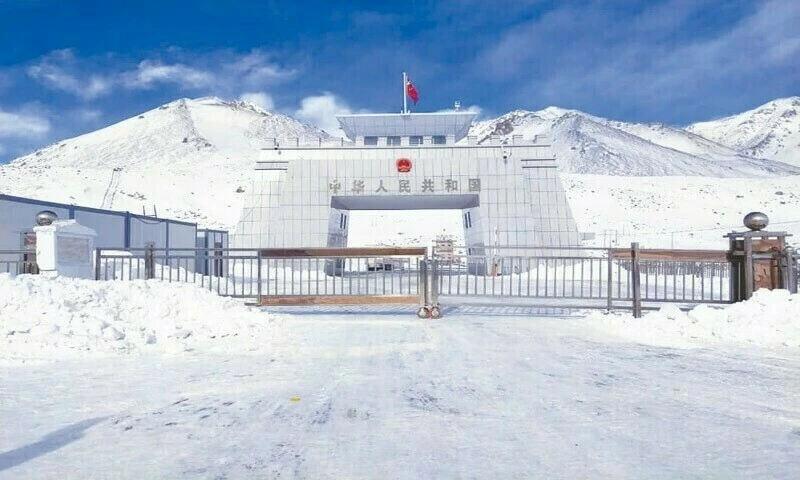
| Khunjerab Pass | ~4,700 m | High (short visit) |
| Concordia / K2 Base Camp | ~4,600–5,000 m | High (multi-day) |
The good news is that most classic tours in Hunza and Skardu sleep below 3,000 m and only visit higher places for a few hours. Visiting high and sleeping low is the key principle that keeps most guests feeling well.
What is altitude sickness?
As you go higher, the air holds less oxygen with every breath. Your body can adapt, but it needs time. When you go up faster than your body can adjust, you may develop acute mountain sickness (AMS). It usually starts 6 to 24 hours after arriving at a new altitude.
Common symptoms of mild AMS
- Headache, often the first sign
- Nausea or loss of appetite
- Tiredness and weakness
- Dizziness
- Poor sleep
Danger signs that need immediate action
In rare cases AMS can progress to high-altitude cerebral oedema (HACE) or high-altitude pulmonary oedema (HAPE). Both are medical emergencies. Warning signs include confusion, loss of coordination (trouble walking in a straight line), extreme tiredness, breathlessness at rest, a wet cough or very fast heartbeat. Anyone with these signs must go down immediately and get medical help.
Saleem’s tip: Tell your guide about any headache, even a small one. On our tours, a mild headache at Khunjerab simply means we take your photos and head down a bit sooner. Hiding symptoms is the only real mistake.
How to prevent altitude sickness
- Go up gradually. Health agencies advise not to go straight from low altitude to sleeping above about 2,750 m in one day, and above 3,000 m to raise your sleeping altitude only slowly, with a rest day every few days.
- Climb high, sleep low. Short visits to high places like Khunjerab are fine if you return to a lower altitude to sleep.
- Drink enough water and avoid alcohol for the first days at altitude.
- Eat well, especially carbohydrates, even if your appetite is low.
- Walk slowly. On treks, pace yourself so you can always talk while walking.
- Talk to a doctor about medicines like acetazolamide, which are sometimes prescribed to help prevent AMS. Do not take them without medical advice.
How we plan our tours around altitude
- We usually spend the first nights in Gilgit or Hunza (below 2,500 m) before any higher visit.
- Khunjerab Pass is a day trip, with only a short time at the top.
- Fairy Meadows comes after a few days in Hunza or Skardu, not on day two.
- On K2 Base Camp and other high treks, our itineraries include acclimatisation and buffer days.
- Our guides carry a first-aid kit and pulse oximeter on treks, and know the nearest evacuation options.
Altitude on a typical Hunza and Skardu tour
To show how this works in practice, here is how altitude changes on a classic 10-day Hunza and Skardu itinerary. Notice that we never sleep above about 2,500 m, and the high points are short day visits:
| Day | Where you sleep | Highest point that day |
|---|---|---|
| 1 | Islamabad (~500 m) | ~500 m |
| 2–4 | Skardu (~2,300 m) | Satpara / Kachura lakes, ~2,600 m |
| 5 | Skardu | Deosai Plains, ~4,000 m (summer) |
| 6–8 | Karimabad, Hunza (~2,450 m) | Eagle’s Nest, ~2,900 m |
| 9 | Karimabad | Khunjerab Pass, ~4,700 m (short visit) |
| 10 | Islamabad | Flight day |
Other health tips for northern Pakistan
Food and water
Stomach upsets are the most common health problem for travellers. Drink bottled, boiled or filtered water, avoid ice in roadside places, eat freshly cooked hot food and wash or sanitise your hands before eating. Mountain food is generally simple and clean, but take it easy on rich, oily dishes in the first days. Our Pakistani food guide has tips on what to order.
Sun and cold
The sun is strong at altitude, even when it feels cool. Use high-factor sunscreen, sunglasses and a hat. Temperatures drop quickly after sunset, and high passes can be freezing even in summer, so always carry a warm layer.
Vaccinations and medicines
See a travel clinic six to eight weeks before your trip. They will advise on routine vaccines and on travel vaccines often recommended for Pakistan, and on polio vaccination requirements for longer stays. Bring enough of your regular medicines, as specific brands may not be available in the mountains, plus a small first-aid kit with painkillers, rehydration salts and anti-diarrhoea tablets.
Motion sickness
Mountain roads are winding. If you get carsick, sit in the front, look at the horizon, avoid heavy meals before long drives and bring tablets.
Your travel health kit
- Personal prescription medicines, in original packaging, with a copy of the prescription.
- Painkillers such as paracetamol or ibuprofen.
- Oral rehydration salts and anti-diarrhoea tablets.
- Motion sickness tablets for mountain roads.
- Plasters, blister pads and a small bandage.
- Antiseptic wipes and hand sanitiser.
- Lip balm and sunscreen with high SPF.
- Any altitude medicine your doctor recommends.
Travelling with a health condition
We regularly welcome guests with diabetes, asthma, heart conditions and limited mobility. The key is planning. Tell us about your condition when you book, so we can keep driving days shorter, choose hotels with easy access, and avoid or shorten high-altitude visits where needed. Ask your doctor whether altitudes above 3,000 m are safe for you, carry extra medicine, and make sure your insurer knows about your condition.
Common altitude myths
- “I am very fit, so I will be fine.” Fitness helps you walk, but it does not protect you from altitude sickness. Fit people who rush up are often the first to feel it.
- “I have been high before without problems, so I am safe.” How your body reacts can change from trip to trip. Always follow a gradual plan.
- “A headache is normal, I will push on.” A headache at altitude is often the first sign of AMS. Rest, drink water and do not go higher until it is gone.
- “Herbal tea or garlic soup will prevent it.” They may be comforting, but there is no strong evidence that they prevent altitude sickness. Slow ascent is what works.
- “Oxygen at the top solves everything.” Oxygen can help in emergencies, but descending is the most important treatment for serious altitude illness.
Jet lag and your first days in Pakistan
Most international guests arrive in Islamabad after an overnight flight. Give yourself at least one easy day before heading north. Walk in the Margalla Hills or visit the Faisal Mosque, eat light, drink water and get a full night’s sleep. Arriving in the mountains rested makes it easier to adjust to both the altitude and the long drives. If your flight to Gilgit or Skardu is early in the morning, an extra night in Islamabad is never wasted.
Staying healthy on long treks
On multi-day treks like K2 Base Camp, small habits make a big difference. Change into dry clothes as soon as you reach camp, keep your feet clean and treat any blister early. Drink three to four litres of water a day, and use the purified water the kitchen provides rather than drinking straight from streams. Eat even when you are not hungry, because your body burns a lot of energy at altitude and in the cold. Protect your skin and eyes from glacier glare. Above all, listen to your body and talk to your guide.
Medical care in Gilgit-Baltistan
Islamabad has good private hospitals. In the north, Gilgit, Skardu and Aliabad have district hospitals and clinics that can handle common illnesses and stabilise emergencies. On remote treks, evacuation may be by jeep or, in serious cases, by helicopter, which is why travel insurance with rescue cover is essential. Read more in our Pakistan safety guide.
Wellness on the road
A good trip is also about feeling well in body and mind. Build in slow days, especially on longer tours. Sleep well, walk every day, and take time to simply sit and look at the mountains. Many of our guests say the slower pace of life in Hunza, with fresh apricots, walnuts, spring water and walks between villages, was the most relaxing part of their holiday.
Worried about altitude? Tell us your health and fitness, and we will build an itinerary that goes up gently.
Altitude and health FAQs
Will I get altitude sickness in Hunza?
It is unlikely. Karimabad is around 2,400 to 2,500 m, where altitude sickness is uncommon. You may feel it on a day trip to Khunjerab Pass at around 4,700 m, so keep that visit short.
Is Khunjerab Pass dangerous because of altitude?
For most healthy visitors a short stop is fine. Walk slowly, do not run, and go back down if you feel unwell. People with heart or lung conditions should ask their doctor first.
Is altitude sickness a problem on the K2 Base Camp trek?
Yes, it is the main health risk. A good itinerary includes acclimatisation days and a gradual ascent, and every trekker should know the warning signs.
Can children travel to high places in Pakistan?
Yes, with care. Keep high visits short, watch for unusual tiredness or irritability, and talk to your doctor before the trip.
This guide is general travel information based on our field experience and public health guidance. It is not medical advice. Please consult a doctor or travel clinic about your own health before travelling.