
Home » Destinations » Skardu – Baltistan
- Gilgit-Baltistan · Pakistan
Skardu Tours & Travel Guide: Baltistan, Pakistan
Turquoise lakes, cold deserts, Balti forts and the road to K2. Plan your trip with this Skardu travel guide, then explore it with a licensed local team.
Region
Baltistan, Gilgit-Baltistan
Elevation
About 2,230 m (7,300 ft) at the airport
Best months
April to October
Flight from Islamabad
About 1 hr 10 min
Suggested stay
4 to 6 days
- Skardu Travel Guide
Why Visit Skardu, Baltistan
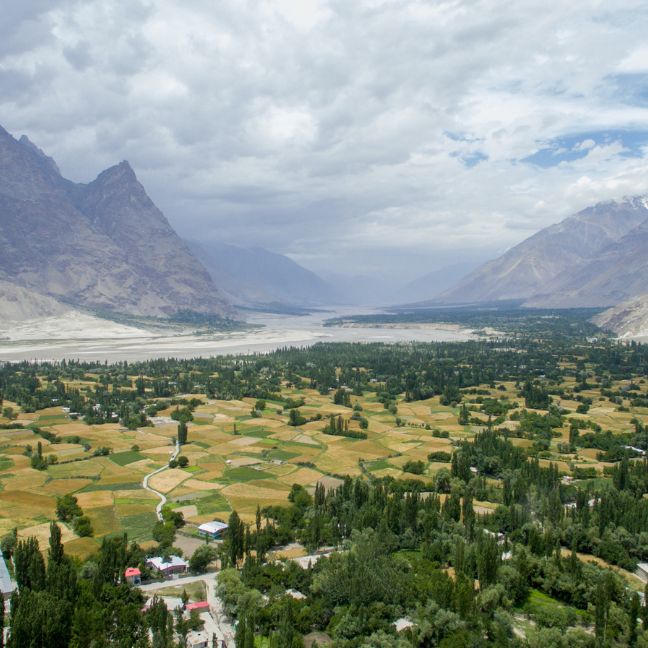
Skardu sits where the Shigar River meets the Indus, on a wide valley floor ringed by bare granite mountains. It is the capital of Baltistan, once known as Little Tibet (Tibet-e-Khurd), and the starting point for the great Karakoram treks.
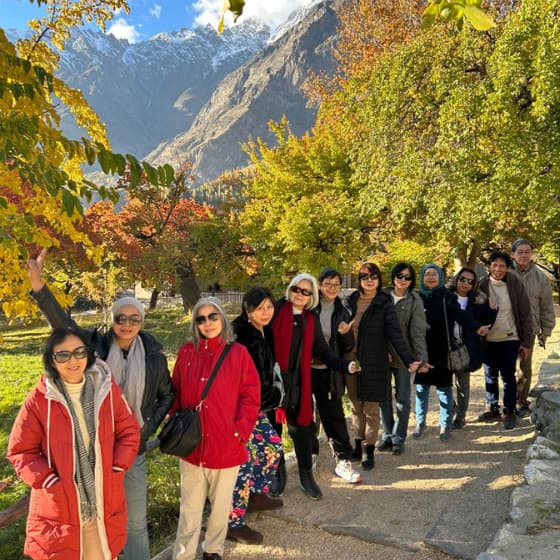
Within a short drive you find turquoise lakes, high-altitude sand dunes, a 16th-century hilltop fort and a Buddha carved into granite. Further out, restored Balti palaces in Shigar and Khaplu and the Deosai Plains make Skardu the base for most of Baltistan.
Skardu tours suit first-time visitors to northern Pakistan, photographers, families and trekkers heading for K2. The Balti welcome, apricot orchards and butter tea do the rest.
- Where to Go
Best Places to Visit in Skardu
Most sights are within an hour of town; Shigar, Khaplu and Deosai each deserve their own day. Drive times are approximate and depend on road and weather.
In Skardu Town
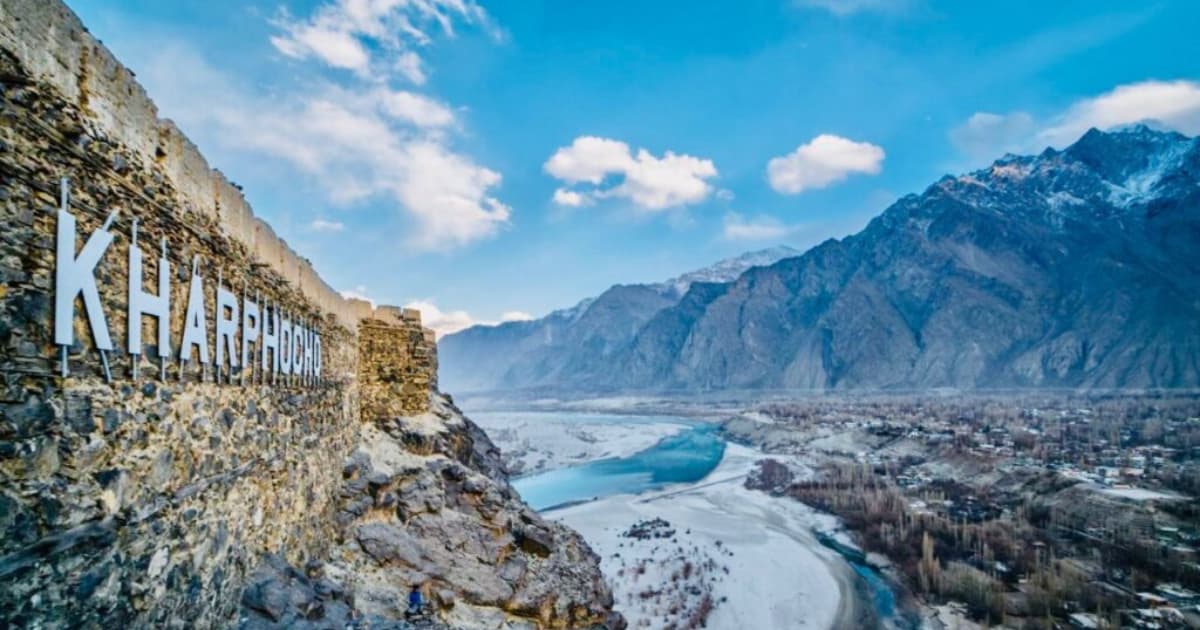
Kharpocho Fort
Built in the 16th century by the Balti ruler Ali Sher Khan Anchan, the fort sits on a rock above town. The steep walk up takes about 45 minutes and rewards you with views over the Indus and the Skardu valley.
- Best for: views, history
- In town, 45-min walk up
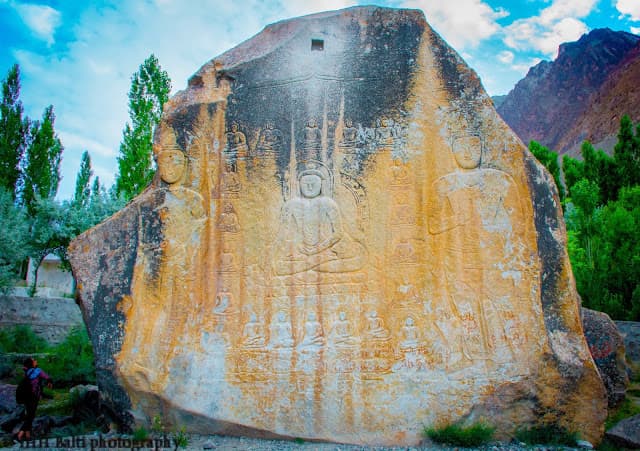
Manthal Buddha Rock
An 8th-century carving of the Buddha and Bodhisattvas on a granite boulder, from the centuries when Baltistan was Buddhist. A short, quiet stop with a lot of history.
- Best for: history, culture
- About 10 min
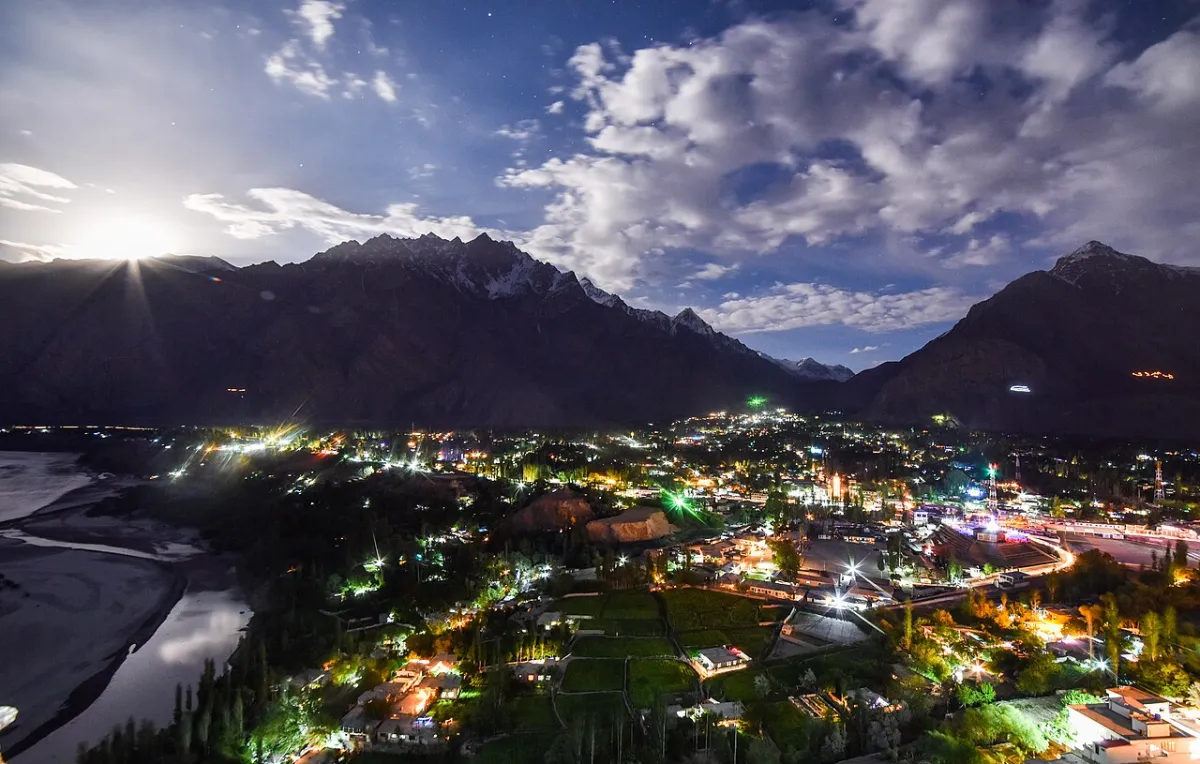
Skardu Bazaar
The main market for dried apricots, nuts, gemstones and woollen pattu cloth. Best in the late afternoon, ideally with your guide to help with prices.
- Best for: shopping, local life
- In town
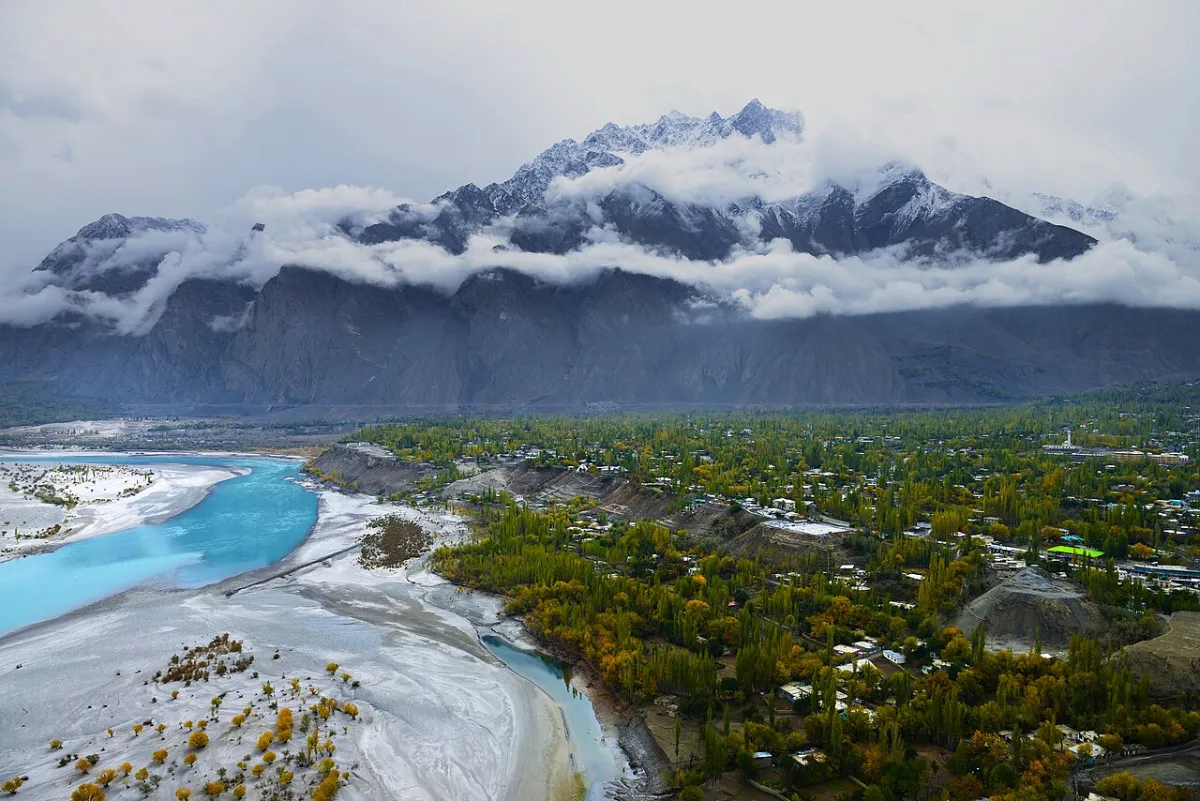
Marsur Rock
A viewpoint hike above the valley that our guests often name as a trip highlight, with a wide view over Skardu and the Indus.
- Best for: short hike, sunset
- Ask your guide
Lakes & Cold Deserts
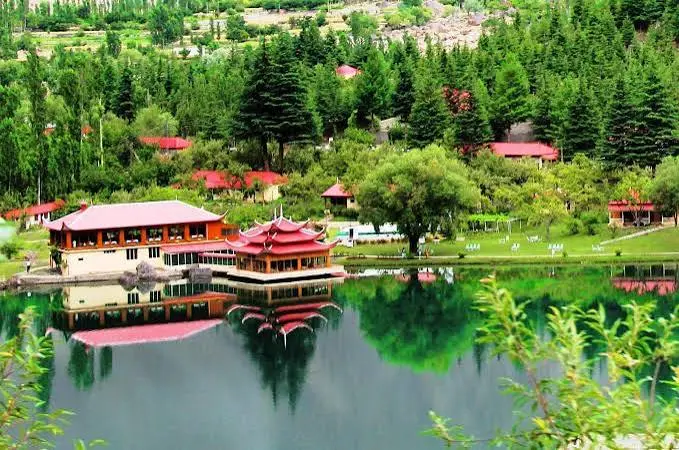
Shangrila Resort & Lower Kachura Lake
Red-roofed cottages on a calm turquoise lake, one of the most photographed places in Pakistan. Walk the gardens or take a boat out.
- Best for: photos, families
- About 40 min

Upper Kachura Lake
Quieter and clearer than its lower neighbour, reached by a short walk down through orchards. Boats are available in season.
- Best for: boating, calm
- About 40 min + short walk
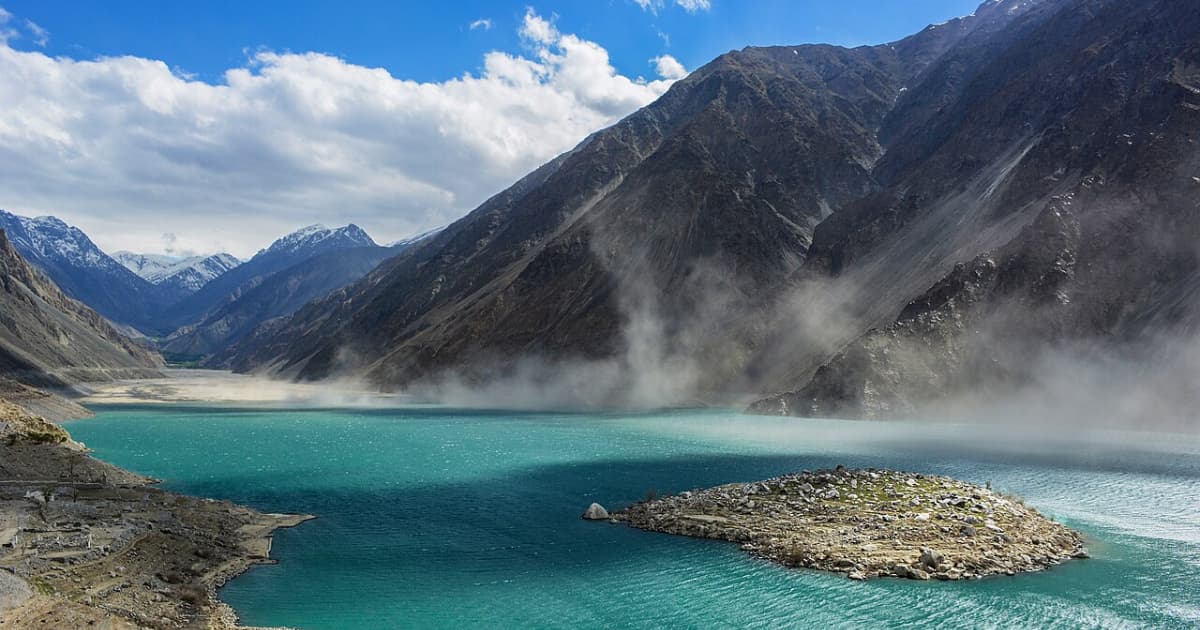
Satpara Lake
A glacier-fed lake above town, known for trout and its setting below rocky hills. It sits on the road up to Deosai.
- Best for: easy stop, fishing
- About 20 min
Katpana Cold Desert
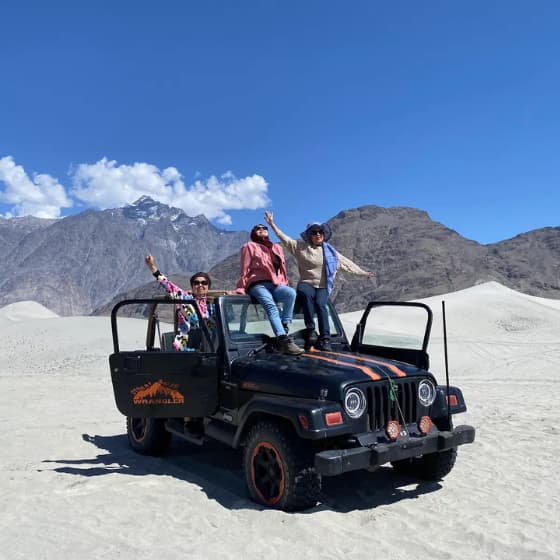
High-altitude sand dunes just outside Skardu, framed by snow-topped peaks. Go at sunrise or sunset when the dunes turn gold.
- Best for: sunset, photos
- About 15 min
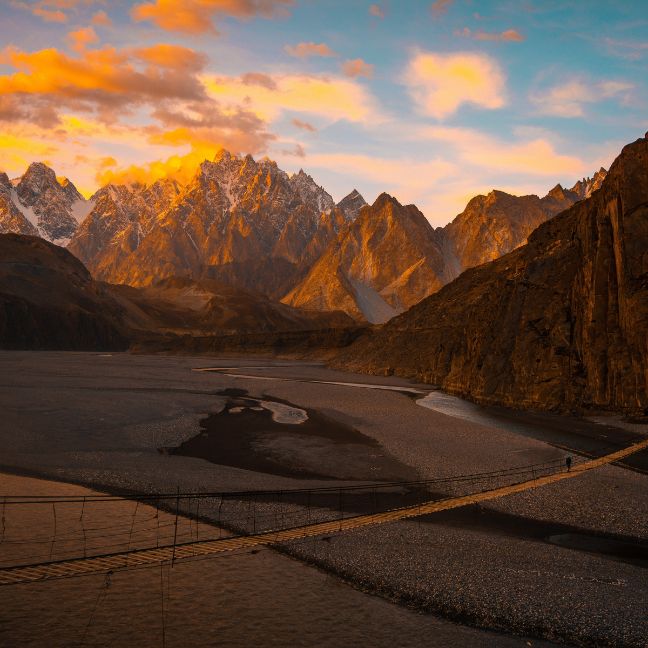
Sarfaranga Cold Desert
Wider, emptier dunes on the way to Shigar, used for jeep and quad-bike rides.
- Best for: adventure, open space
- About 45 min
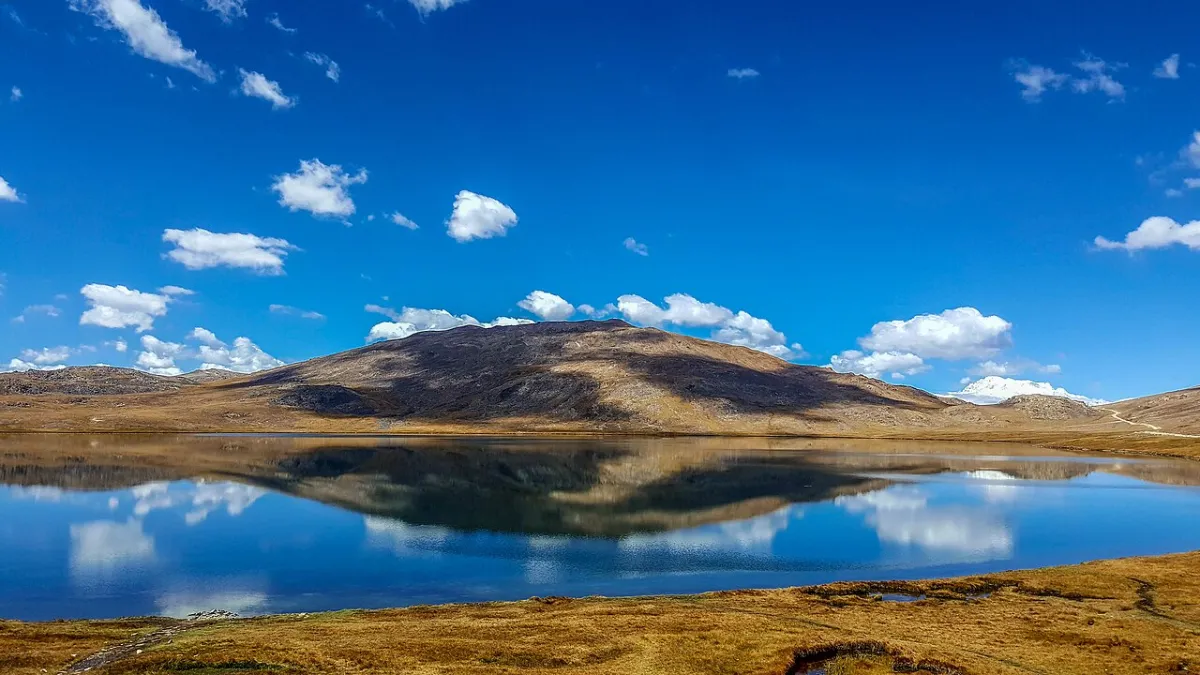
Sheosar Lake
One of the highest lakes in Pakistan at about 4,140 m, on the western edge of the Deosai Plains. On a clear day Nanga Parbat rises beyond it. Reached by jeep in summer.
- Best for: views, wildflowers
- About 4 hrs by jeep
Shigar & Khaplu
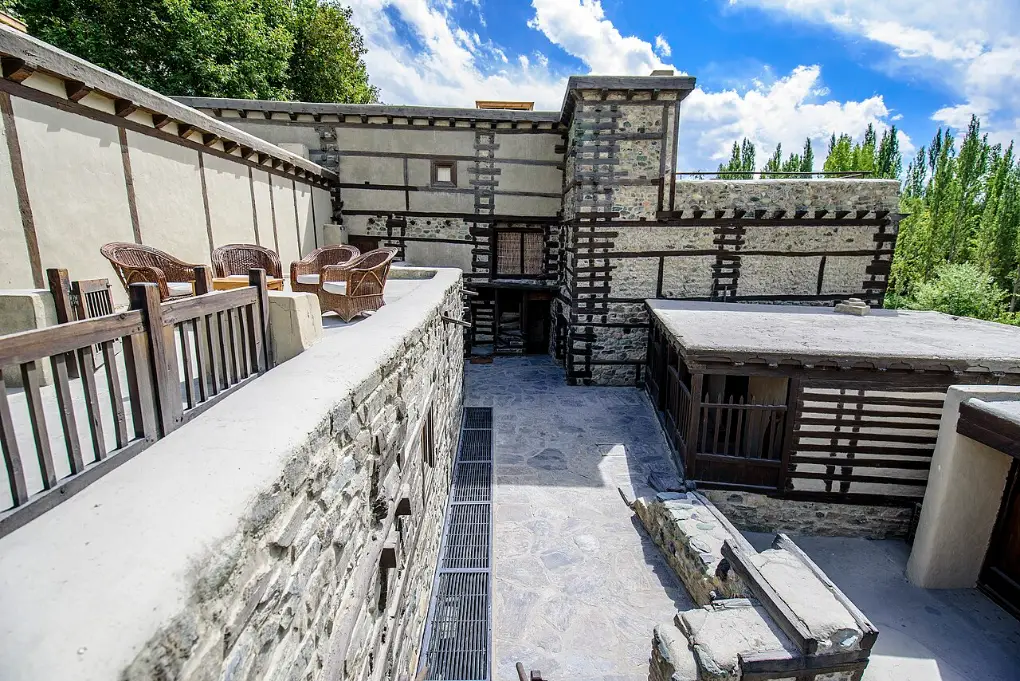
Shigar Fort (Fong Khar)
A Balti royal palace on a rock above Shigar, restored by the Aga Khan Cultural Service and now a heritage hotel and museum. The village and orchards around it are worth an unhurried walk.
- Best for: heritage, overnight stay
- About 1 hr

Khaplu Palace & Chaqchan Mosque
Khaplu Palace blends Tibetan, Kashmiri and Balti design and is also a restored heritage hotel. Nearby Chaqchan Mosque is one of the oldest mosques in Baltistan.
- Best for: architecture, slow travel
- About 2.5–3 hrs
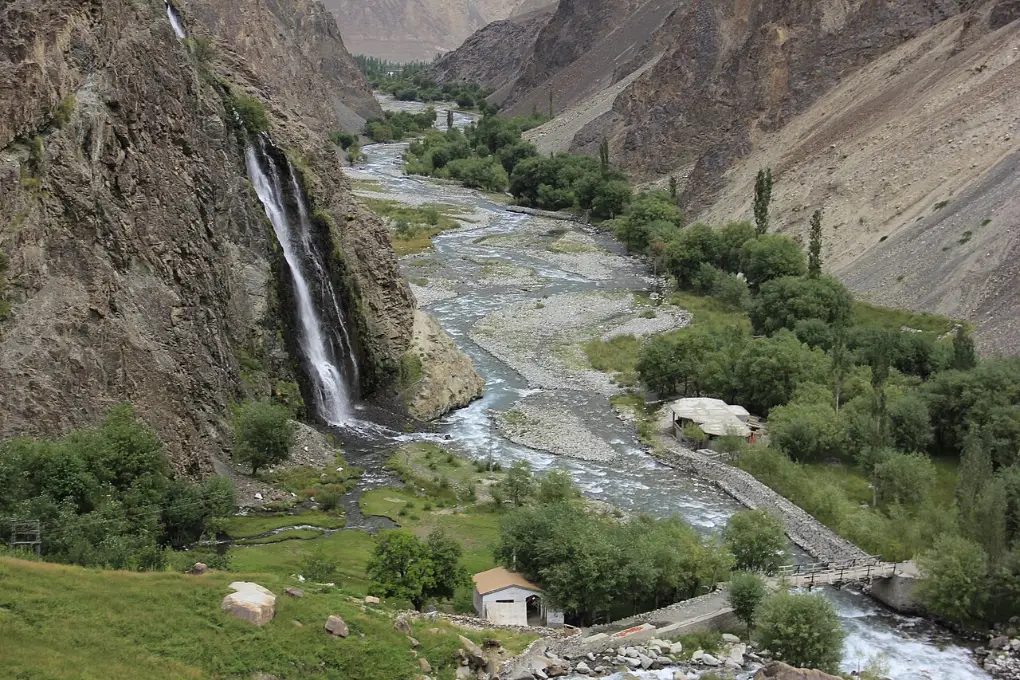
Manthokha Waterfall
A tall waterfall in the Kharmang valley, surrounded by fields and willow trees. A good full-day trip combined with Kharmang villages.
- Best for: day trip, picnics
- About 2.5 hrs
Deosai Plains
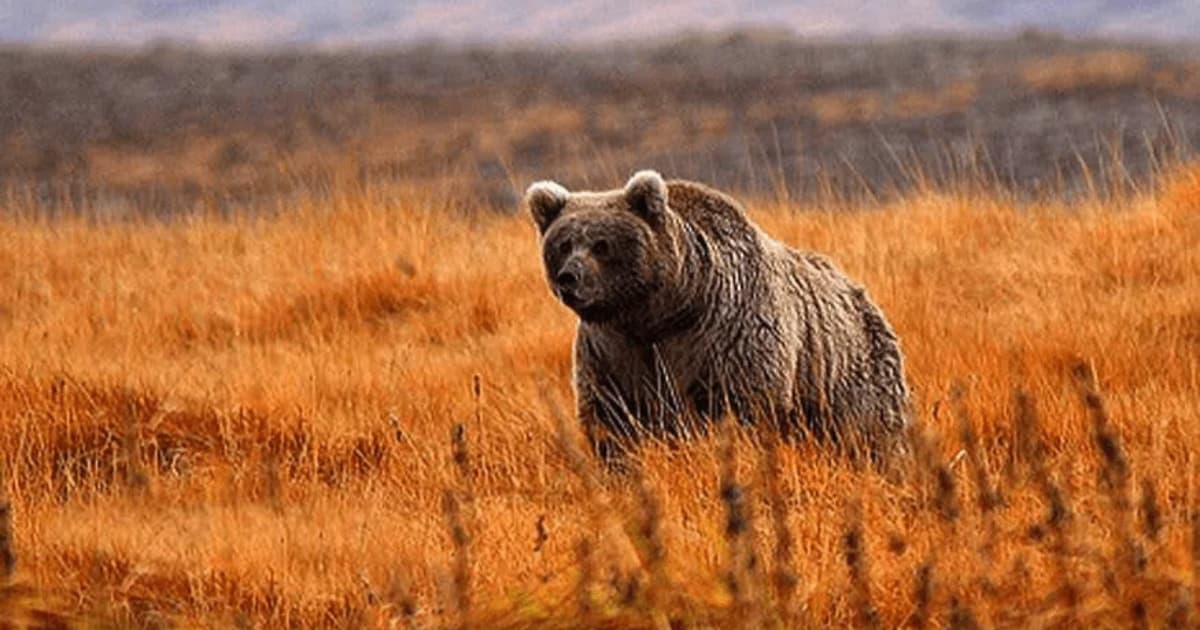
Deosai National Park
One of the highest plateaus in the world, averaging about 4,100 m. In summer it fills with wildflowers and is home to the Himalayan brown bear, ibex, marmots and many birds. Open roughly June to September by jeep.
- Best for: wildlife, landscapes
- About 3 hrs by jeep
- Experiences
Things to Do in Skardu
Six ways to spend your days, each linked to the places above.
Boat on the Kachura lakes
Row out on Upper Kachura or take a boat at Shangrila.
Jeep safari on Deosai
Cross the plateau in summer for wildflowers, bears and marmots.
Sunset on the dunes
Watch the light change over Katpana or Sarfaranga.
Short hikes
Walk up to Kharpocho Fort or a viewpoint over the valley.
Stay in a Balti palace
Sleep in restored Shigar Fort or Khaplu Palace.
Taste Balti food
Try mamtu, prappu and butter tea with a local family.

- Trekking
Treks & Expeditions from Skardu
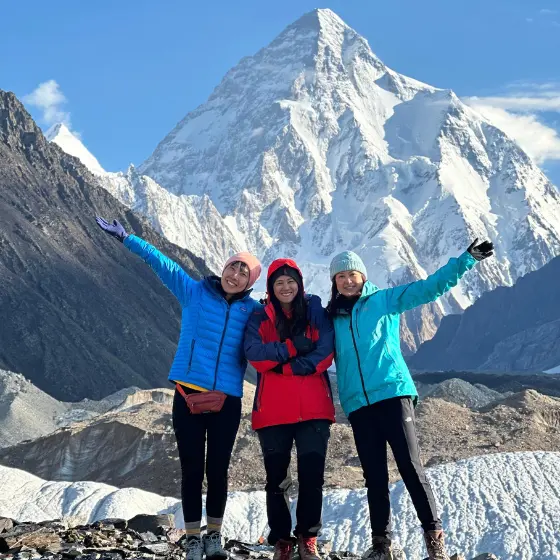
Skardu is the gateway to the K2 Base Camp trek. From here you drive to Askole, the last village, then walk up the Baltoro Glacier past the Trango Towers to Concordia, where K2, Broad Peak and the Gasherbrums come into view. K2, at 8,611 m, is the second-highest mountain on earth.
The trek runs from June to September and needs good fitness, acclimatisation days and an experienced crew. Foreigners need a restricted-zone permit, which your licensed operator arranges before you arrive.
- Tour Packages
Our Skardu Tours
Every Skardu tour starts and ends in Islamabad, with a private vehicle, driver and English-speaking local guide. Prices are per person in USD and fall as your group grows.
Hunza and Skardu highlights in under two weeks.
From USD 1,170 per person
Hunza, Skardu, Shigar and the lakes at an easier pace.
From USD 1,100 per person
Adds Fairy Meadows and Nanga Parbat views.
From USD 1,300 per person
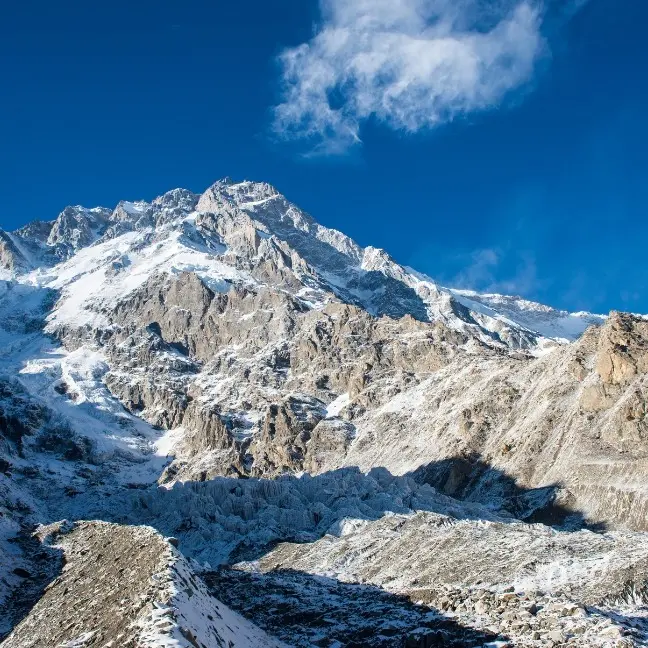
The Baltoro Glacier trek to Concordia and K2 Base Camp.
From USD 2,200 per person
How Many Days Do You Need in Skardu?
Plan 4 to 6 days in Skardu itself. Two days cover the town, lakes and dunes; add a day each for Shigar, Khaplu and Deosai. If you fly in, keep one spare day for weather delays.
Private & Tailor-Made Skardu Tours
Want a different pace, a family-friendly route or a photography trip? Every Skardu tour can be private and built around your dates, interests and budget. Tell us what you have in mind and we will send a suggested itinerary and price.
- When to Go
Best Time to Visit Skardu
April to October is the main season. Each part of it gives you a different Skardu.
Spring blossom
April – May
Apricot and cherry trees flower across the valley and in Shigar. Days are mild, nights cold and the peaks still snowy.
Summer
June – August
Warm days, long light and the best time for lakes, Deosai and treks, including K2 Base Camp. The busiest season.
Autumn
September – October
Poplars and orchards turn gold, skies are clear and roads are quieter. Ideal for photography.
Winter
November – March
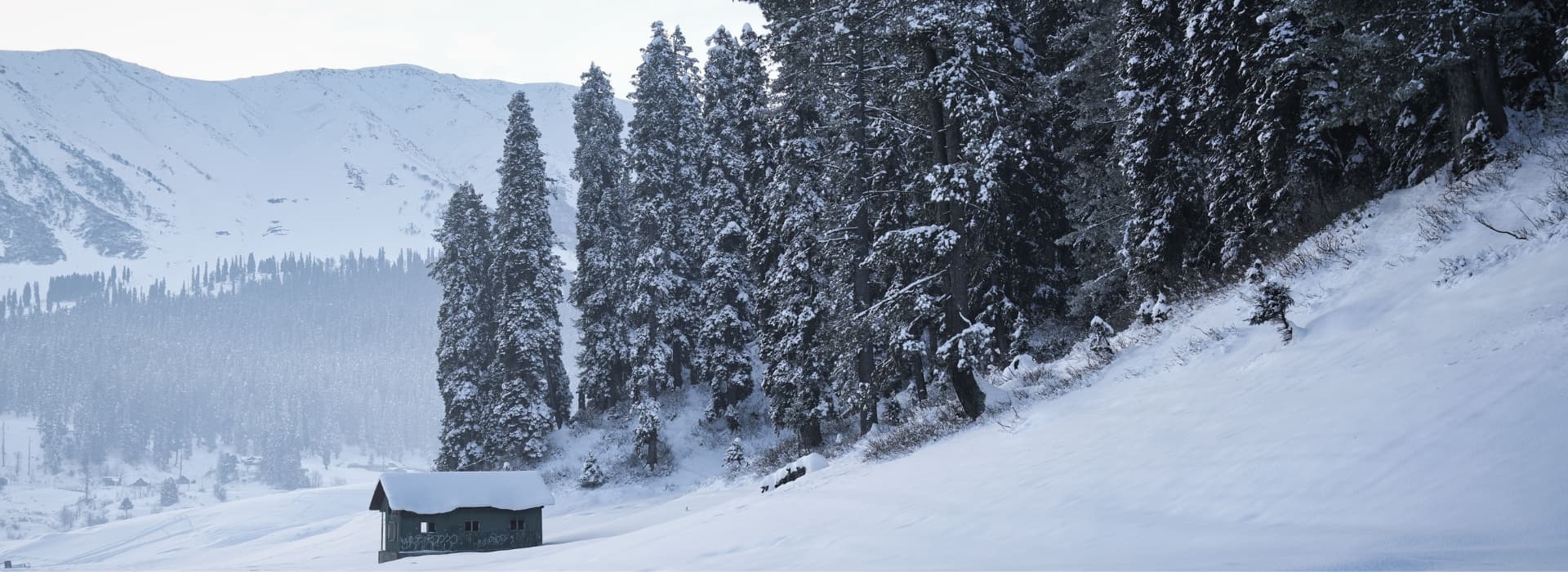
Cold and quiet, with snow on the dunes and lakes freezing. Flights are more often delayed; Deosai is closed.
Deosai National Park is usually reachable from June to September only.
- Getting There
How to Get to Skardu
By Air from Islamabad
PIA, Airblue and AirSial fly from Islamabad to Skardu in about 1 hour 10 minutes, with several flights a week. On a clear day you see Nanga Parbat from the window. Flights depend on weather and are sometimes cancelled, so we always build a spare day into flight-based itineraries.
By Road
There are two road routes. The year-round route follows the Karakoram Highway along the Indus via Besham and Chilas, then the Skardu road. In summer, the faster route crosses Babusar Pass from the Kaghan valley. Both take most of two days, and most itineraries stop overnight in Chilas or on the way from Hunza.
Getting Around
There is no useful public transport for visitors. On our tours you travel in a private vehicle with a local driver, and switch to a 4×4 jeep for Deosai and rougher valley roads.
- Before You Go
Skardu Travel Tips for International Visitors
Visas and permits
Most nationalities apply for a Pakistan e-visa online before travel. Skardu, Shigar, Khaplu and Deosai need no extra permit; treks such as K2 Base Camp need a restricted-zone permit, which we arrange.
Altitude
Skardu itself is around 2,200–2,500 m and Deosai over 4,000 m. Take your first day easy, drink plenty of water and tell your guide if you feel unwell.
Is Skardu safe?
Skardu and Baltistan are visited by many international travellers each year, and our team watches local conditions daily. Check your own government’s travel advice before booking, and read Is Pakistan Safe to Travel in 2026?
Dress and etiquette
Baltistan is conservative. Cover shoulders and knees, carry a scarf for mosques and ask before photographing people, especially women.
Religious calendar
During Ramadan and Muharram some restaurants close in the day and timings change. We plan around these dates.
Money and signal
Carry enough Pakistani rupees in cash, as card payments are limited. Mobile data works in town but drops in the valleys.
Where you’ll stay
Comfortable hotels in Skardu town, lakeside stays near Kachura and heritage rooms in Shigar Fort or Khaplu Palace, depending on your tour.
For the wider region, read our Travel Guide of Gilgit-Baltistan.
- People & Cuisine
Balti Culture, Food & Souvenirs
The Balti people share roots with Tibet and Central Asia, and Balti is an old form of the Tibetan language. Islam arrived in the 14th century, yet Balti music, festivals, crafts and food kept much of their older character.

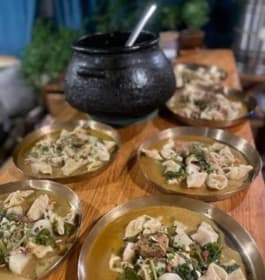
Mamtu
Steamed dumplings filled with spiced minced meat and onion.
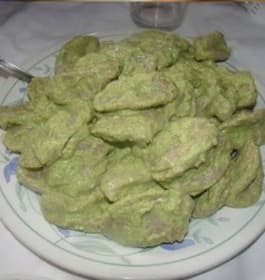
Prappu
Hand-made dough in a sauce of ground walnuts, almonds or apricot kernels, finished with apricot oil.
Chutagi
A thick hand-pulled noodle soup simmered in a rich broth.
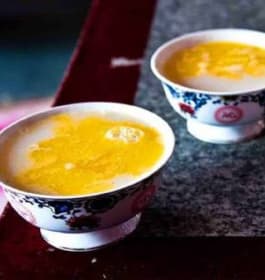
Butter tea
Salty and creamy, an acquired taste that soon feels essential at altitude.

Apricots
Skardu’s favourite fruit, eaten fresh, dried for winter or pressed into oil.
What to Bring Home
Gemstones such as aquamarine and garnet from Skardu’s bazaar, hand-woven pattu cloth, embroidered chuga coats, carved wooden bowls and dried apricots. Buy gems only from shops your guide recommends.
- Why Harappa
Why Explore Skardu with Harappa Tour & Travel
01
Licensed in Gilgit-Baltistan
A licensed tour operator registered with the Gilgit-Baltistan Tourism Department, a PATO member and rated 5.0 on TripAdvisor.
02
Local guides and drivers
Our team lives in northern Pakistan and knows Baltistan’s roads, weather and families.
03
Plans that handle the weather
We build spare days around Skardu flights and adjust routes on the ground so your trip keeps going.
04
Tailor-made, private trips
Your dates, pace and interests, from a short Skardu break to the K2 Base Camp trek.
- Guest Reviews
What Our Guests Say
Our latest reviews, shown exactly as our guests wrote them on TripAdvisor.

 sagcSeptember 15, 2026I have been traveling for a long time and have taken tours in many countries. This tour was outstanding in many aspects. I felt I was traveling with friends and... See more not part of an organized tour. I highly recommend Harappa Tour and Travel. They are local, knowledgeable, friendly and have connections should an unexpected situation arise. I hope I can come back and explore other parts of this beautiful country with them.carl bSeptember 10, 2026Excellent communication throughout, very helpful with the visa application, the trek was superb, humbling Mountain View’s, great team, fluent English speaking guide who was superb ( thank you Sheroz), really... See more couldn’t fault them BUT bring your own sleeping mat theirs are very basic and thin!Bennett SSeptember 6, 2026Had amazing experience on this tour. It was an unbelievable experience getting to see the beautiful mountains of Pakistan. Everyone on the trek was so helpful and were some truly... See more amazing people.
- Happiness20334759159June 24, 2026Our group of 10 recently completed a memorable journey through Hunza, Gilgit-Baltistan, Fairy Meadows and the surrounding mountain regions with Harappa Tour & Travel.
The landscapes were breathtaking, from... See more the Karakoram Highway and Hunza Valley to the spectacular views of Nanga Parbat and the surrounding mountain ranges. Pakistan's natural beauty exceeded our expectations.
A special thanks to our guide, Kamal, and the Harappa team for their excellent coordination throughout the trip. Road conditions and weather in the northern areas can change quickly, but the team kept us updated and managed the itinerary professionally while always prioritizing safety.
The airport pickup, transportation, accommodations, and daily logistics were well organized. We especially appreciated the local knowledge shared by the guide, which helped us better understand the culture, history, and people of the region.
Northern Pakistan is one of the most beautiful destinations we have visited, and we would not hesitate to recommend Harappa Tour & Travel to anyone planning a trip to this remarkable part of the world.
Thank you for making this a truly unforgettable experience.Ching Yi WDecember 6, 2025My recent tour in Hunza was wonderful—a perfect blend of adventure, culture, and relaxation. The tour service was excellent, marked by professionalism, efficiency, and genuine care throughout the journey. My... See more guide went above and beyond to ensure everything ran smoothly, making the experience not only stress-free but deeply enriching. It was the kind of journey that leaves you refreshed, inspired, and full of stories to share long after it ends.Francisca PNovember 15, 2025I feel very grateful to have visited the north of Pakistan with the Harappa guides, in a tailored trip of 2 weeks. Starting this journey in Skardu, we trekked up... See more to Marsur rock, with stunning valley views. Moving through the unique Gilgit Baltistan region, we trekked to Fairy Meadows to be surrounded by idyllic nature and fantastic views of Nanga Parbat. From here we travelled to the beautiful Hunza valley, that presented us with Autumn colours, blue glacial rivers and imposing mountains dressed in white. Passu cones, the village of Ganish and the breathtaking views from Karimabad were highlights for me. From here we embarked on a long Jeep ride to reach the Kalash valleys, where after a couple of days driving through beautiful valleys we had the opportunity to connect with the Kalash community and its beautiful people. Including attending a wedding and dancing through the nigh! The trip ended by visiting the bustling city of Peshawar and its colourful markets.
I can't thank our local guides Kumail, Fida, Abide and Saleem enough, who were always listening to our needs, adjusting the trip if needed based on our requests, showing flexibility and doing so with a smile. Their knowledge of the region is invaluable. Most importantly, they made me feel part of their family and integrated us in their beautiful community with open arms. Until next time,
Francisca - 楡暄 黄November 13, 2025Travelling in Pakistan with Harappa was truly an amazing experience! This was my first visit to Pakistan and it was just beyond imagination and words.
The views, the... See more people, the food and the culture were all terrific! Every spot we visited was so breathtaking and meaningful. Our tour guides, Kumail and Sultan were warm, caring and absolutely wonderful. They took great care of every member in the group and were always attentive toward small things. I enjoyed their sharing about local life in Hunza and also love their informative introduction to Pakistani culture and history.
The drive along the Karakoram Highway was another adventure in itself, but with our skilled and experienced driver, Afdab, we felt safe and at ease throughout the journey.
I am truly grateful for all these arrangements made by Saleem. It was such a joy to travel in Pakistan with Harappa.
For anyone who wants to take beautiful photos, immerse themselves in nature and discover the authentic spirit of Pakistan, choose Harappa! They'll make your journey unforgettable.ushanluvNovember 13, 2025Travelling in Pakistan with Harappa was truly an amazing experience! This was my first visit to Pakistan and it was just beyond imagination and words.
The views, the... See more people, the food and the culture were all terrific! Every spot we visited was so breathtaking and meaningful. Our tour guides, Kumail and Sultan were warm, caring and absolutely wonderful. They took great care of every member in the group and were always attentive toward small things. I enjoyed their sharing about local life in Hunza and also love their informative introduction to Pakistani culture and history.
The drive along the Karakoram Highway was another adventure in itself, but with our skilled and experienced driver, Afdab, we felt safe and at ease throughout the journey.
I am truly grateful for all these arrangements made by Saleem. It was such a joy to travel in Pakistan with Harappa.
For anyone who wants to take beautiful photos, immerse themselves in nature and discover the authentic spirit of Pakistan, choose Harappa! They'll make your journey unforgettable.bren307August 29, 2025End to end perfect organization of activities with guide and driver. Weather conditions required some planning changes. Sign of a brilliant tour company was their ability to adapt swiftly and... See more efficiently. The driver (Sajar) was exceptionally safe in tough conditions and the guide (Kamal) was young, experienced, fun, interesting, with fabulous insights of Himalaya, Karakoram, Hindu Kush and Gilgit-Baltistan and great, great company. The booking through Sameer was perfectly adapted to my wishes with recommendations that made sense for the end of Monsoon season. I will be returning soon for trekking experience and will use Harappa Travel.


Travelled with Harappa? We'd love to hear about your trip.

- Keep Exploring
Explore More of Northern Pakistan
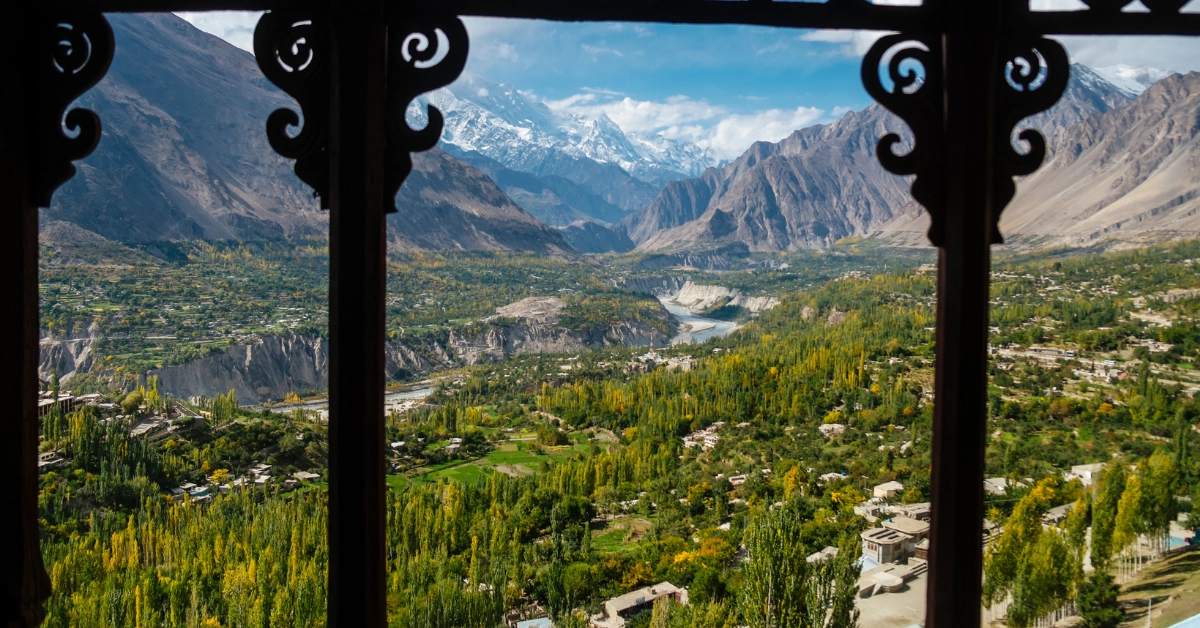
Apricot orchards, Baltit Fort and Rakaposhi views; the natural partner to Skardu.
- Plan Your Trip
Plan Your Skardu Tour
Tell us when you would like to travel, how many people are coming and what you want to see. Our team replies with honest advice, a suggested itinerary and a price for your Skardu tour.
Send an enquiry
Licensed & registered in Pakistan
Government-licensed tour operator, PATO member and TripAdvisor-rated 5.0.


A licensed tour operator from Ganish, Hunza. We plan, drive and guide private and small-group journeys across Pakistan — from K2 Base Camp to the Kalash valleys.
Destinations
Get in Touch
+92 311 8812 885
harappa.tnt@gmail.com
Office
Kalan Ganish, Hunza Valley 15700, Gilgit-Baltistan
Open 7 days
8:00 AM – 11:00 PM (PKT)
© 2026 Harappa Tour & Travel · Licensed tour operator, Hunza Valley, Pakistan