

Kalash Valley Chitral
The last pagan valley of the Hindu Kush. Home to an ancient pre-Islamic culture, grand annual festivals, and breathtaking Himalayan landscapes.
Location
Chitral, KPK
Distance
30-45 km from Town
Population
~4,000 Kalasha
Best Season
May – October
A World Unto Itself
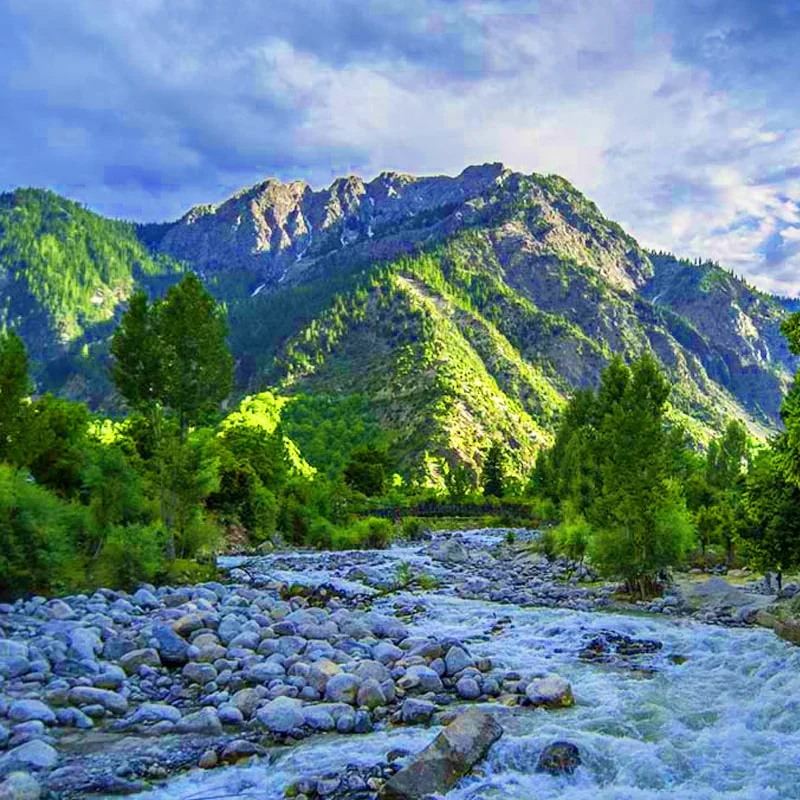
There are places in this world where time does not simply slow down. It stops entirely. Kalash Valley, tucked deep within the folds of the Hindu Kush mountains of Chitral, is one of those places.
Home to the Kalasha people, one of the last surviving pre-Islamic civilizations in South Asia, Kalash Valley is unlike any other destination in Pakistan. Here, amid terraced wheat fields, rushing mountain streams, wooden houses perched on steep slopes, and forests of cedar and walnut, a community of roughly 4,000 people continues to live by traditions that stretch back thousands of years. They speak a language of ancient Dardic origin. They practice a polytheistic religion said to be closely connected to an early form of Hinduism. They brew their own wine from mountain grapes. They celebrate life through music, dance, and three grand annual festivals that draw visitors from across the globe.
When you enter Kalash Valley, you do not just see landscapes. You step into living history.
Recognized internationally as an intangible cultural heritage, Kalash Valley stands as one of the most extraordinary cultural destinations in all of Asia, and a reminder of the breathtaking diversity that Pakistan holds within its borders.
The Three Valleys
The Kalash region is made up of three distinct valleys, each with its own personality and character.
Bumburet (Bumboret)
The largest and most accessible of the three valleys, Bumburet is the main entry point for most visitors. It has the greatest concentration of guesthouses, small shops, and Kalash cultural sites. Bumburet is easy to access via shared taxi from Chitral and gives visitors a great insight into Kalash culture. The valley is home to several traditional Kalash villages, a small museum, and the famous Kalasha graveyard where open wooden coffins rest amid the trees, reflecting the Kalasha belief in the sacredness of their ancestral land.
Birir
The smallest and most remote of the three, Birir is also the most traditional.
Birir is the most traditional valley and forms a separate culture from Bumburet and Rumbur.
It is physically separated from the other two valleys and requires additional travel time to reach, but those who make the effort are rewarded with some of the most untouched Kalash village life found anywhere. The Phool Festival in mid-October is celebrated in Birir and is one of the most intimate Kalash cultural events of the year.
Birir
The smallest and most remote of the three, Birir is also the most traditional.
Birir is the most traditional valley and forms a separate culture from Bumburet and Rumbur.
It is physically separated from the other two valleys and requires additional travel time to reach, but those who make the effort are rewarded with some of the most untouched Kalash village life found anywhere. The Phool Festival in mid-October is celebrated in Birir and is one of the most intimate Kalash cultural events of the year.
Must-Visit Attractions
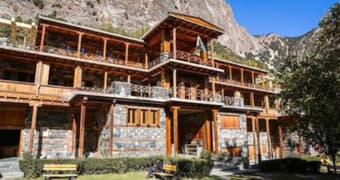
Kalash Museum, Bumburet
A small but important museum preserving Kalasha culture, it displays traditional clothing, jewelry, musical instruments, ritual objects, and photographs. Visiting before exploring the valleys is highly recommended, helping visitors understand the traditions and significance of village life.
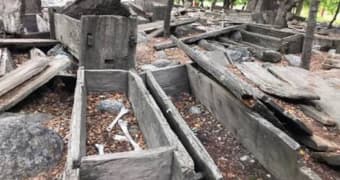
Kalasha Ancestral Graveyards
Kalasha graveyards are among the valleys’ most striking cultural sites, reflecting the community’s unique relationship with death and ancestors. Wooden coffins, often carved, rest above ground, reflecting beliefs about nature. These sacred places of memory should be visited with great respect.
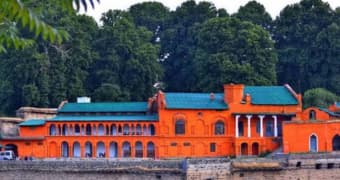
Chitral Fort
Perched along the Chitral River, Chitral Fort dates to 1774, during Mohtaram Shah Katur II’s reign. Restored in 1911 by Sir Shuja ul-Mulk, it served as the Mehtar’s stronghold. Today, its Darbar Hall and restored rooms offer a glimpse into the royal court life of Chitral’s ruling family of.
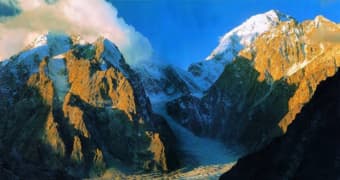
Tirich Mir Viewpoint
Towering at 7,708 metres, Tirich Mir is the highest peak in the Hindu Kush. Its breathtaking views from Chitral town dominate the northern skyline. In Wakhi, “Trich” means darkness and “Mir” means king, giving it the title “King of Darkness,” linked to shadows cast over the Wakhan Corridor.

Garam Chashma Hot Springs
Located 45 km northwest of Chitral, Garam Chashma is a scenic valley famous for its therapeutic hot springs and peaceful beauty. The Lotkoh River is ideal for trout fishing, while pine forests and towering peaks create stunning surroundings. The springs are perfect after long mountain journeys.
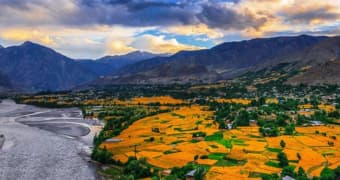
Ayun Valley
Ayun is the gateway to the Kalash Valleys, located where the Chitral and Bumburet rivers meet. Its green meadows, riverside orchards, and peaceful scenery offer a beautiful introduction to Kalash territory. Ayun Fort, now a heritage guesthouse, provides lovely valley views from its terrace gardens.
The Three Great Kalash Festivals
The Kalasha people celebrate three major festivals each year, each deeply tied to the agricultural seasons and their polytheistic religious traditions. These festivals are among the most extraordinary cultural events in all of South Asia, attracting visitors from around the world.
Chilam Joshi (Spring Festival)
May 13 to 16The most famous and widely attended of the three festivals, the Chilam Joshi festival marks the arrival of spring. During this festival visitors witness traditional dancing, rituals honoring the gods, music, and the Kalash people in full traditional dress. Women wear new clothes and accessorize heavily, girls are sent to the hillside for dancing and singing, and women decorate their houses and collect milk from the cattle. The atmosphere during Chilam Joshi is one of pure joy. It is the single best time of year to experience Kalash culture at its peak.
Uchal Festival (Summer Festival)
August 20 to 22The Uchal Festival celebrates the advent of summer. The Kalasha people express gratitude for a bountiful harvest, embarking on a procession to pray on the plateau near Palangkuru village. The festivities include day-long celebrations, night dances, and a vibrant display of the Kalash way of life. Special foods including cheese, buttermilk, and corn bread are prepared for the event, and women in traditional dresses perform dances.
Choimos Festival (Winter Festival)
December 15 to 22The Choimos Festival ushers in the winter season, symbolizes prosperity, and features torch parades, indoor celebrations, and purification rituals. The highlight is the offering of a goat to the goddess Jastak, accompanied by traditional dances and cultural expressions. Choimos is the most sacred and spiritually intense of the three festivals, and visiting it requires a genuine respect for Kalasha religious customs.
Adventure and Trekking
Rumbur to Bumburet Valley Trek
Tirich Mir Base Camp Trek
Shandur Pass and the World's Highest Polo Festival
Kalasha Culture and Traditions
People and Identity
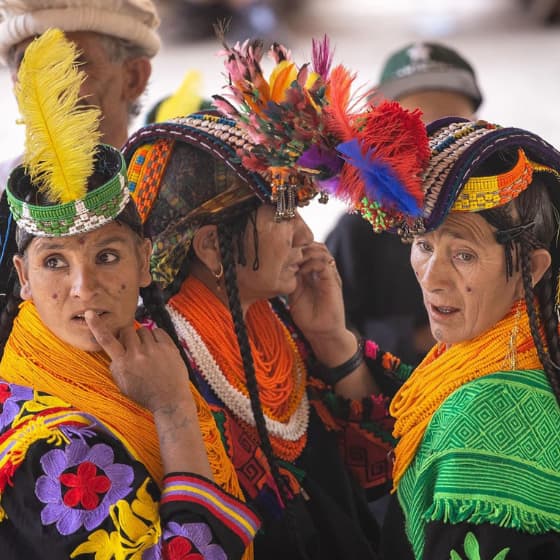
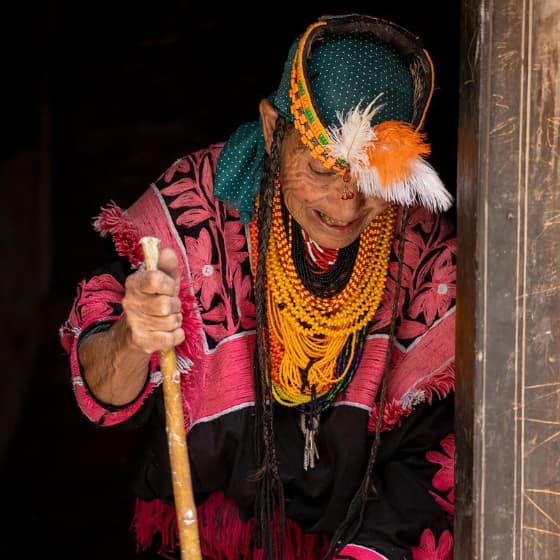
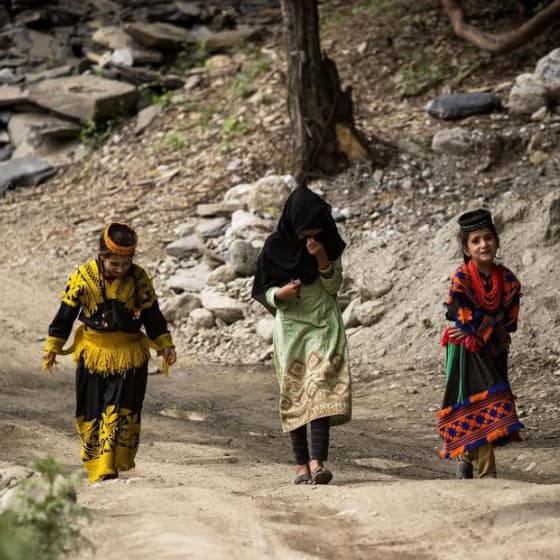
The Kalash people are known for their hospitality, vibrant clothing, and joyful celebrations. Women wear traditional black robes decorated with bright embroidery, and colorful beadwork crowns their heads. The distinctive traditional dress, known as the Cheo (black woolen robe), is worn daily rather than only for festivals, and is adorned with cowrie shells, beads, coins, and intricate needlework. The Kupas headdress, decorated with feathers and jewelry, is worn during festivals and ceremonies.
Language
The Kalash language belongs to the rare Dardic linguistic group within the Indo-Aryan family and is considered by linguists to be one of the most archaic surviving branches of the Indo-Aryan language tree. With only around 4,000 speakers, it is a language under serious pressure, and efforts to document and preserve it are ongoing to protect its unique cultural heritage and identity for future generations while keeping its traditions, stories, and cultural knowledge alive for generations to come.
Religion and Belief
The Kalasha practice an ancient polytheistic religion centered around a creator deity and a pantheon of gods and goddesses connected to nature, fertility, and the seasons. Their faith has no formal scripture but is transmitted through oral tradition, ritual, and festival. It is a living religion practiced daily through offerings, prayers at shrines, purification rituals, and the great seasonal festivals. Visitors should approach religious sites with humility and always ask before entering sacred spaces or photographing ceremonies.
Responsible Tourism
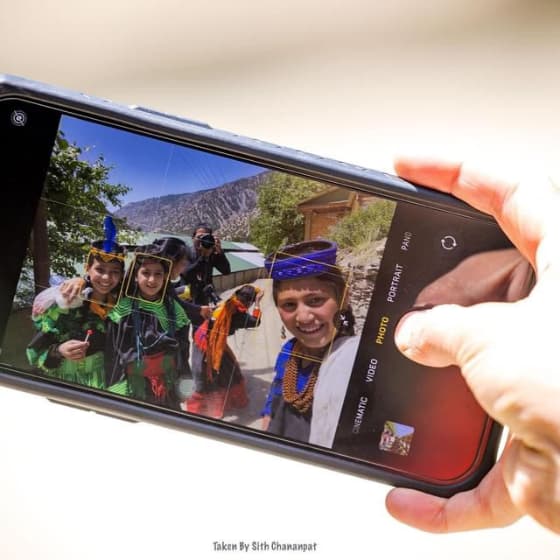
The Kalash community has experienced significant disruption from tourism over recent decades. Visitors to the valleys are strongly encouraged to hire local Kalash guides, stay with Kalash families in homestays rather than externally-owned guesthouses, and purchase handicrafts directly from Kalasha artisans. Always ask for permission before photographing individuals, especially women and children. Dress modestly and be guided by your host's advice on what areas are appropriate for non-Kalash visitors to enter.
Traditional Cuisine of Chitral
Chitrali cuisine is hearty, nourishing, and deeply tied to the land. Local food staples include:
Shandur Tea (Noon Chai)
A warming, salted pink tea brewed with milk, baking soda, and cardamom, served in generous quantities throughout Chitral
Chapshoro
A large flatbread stuffed with minced meat, onion, and local spices, baked on a griddle and eaten fresh. It is Chitral's most beloved street food.
Maize Bread (Maka ki Roti)
Stone-ground corn bread baked in traditional clay ovens, with a dense, earthy flavour that pairs perfectly with local butter and honey
Fresh Trout
The mountain streams of Chitral and Garam Chashma are famous for their brown and rainbow trout, served simply grilled or fried in local guesthouses
Dried Mulberries and Walnuts
Grown throughout the valleys and eaten as snacks or mixed with milk as a traditional energy food for long journeys
Kalasha Grape Wine
Homemade wine holds deep ceremonial significance in Kalasha culture and should only be consumed if offered by your hosts during appropriate cultural contexts
Best Time to Visit
| Season / Festival | Months | Conditions & Highlights |
|---|---|---|
| Chilam Joshi Festival | May 13–16 | Peak cultural experience; book well in advance |
| Spring / Summer | May to August | Mild weather, green valleys, and accessible roads |
| Shandur Polo Festival | July 7–9 | Combine with Chitral for an iconic northern tour |
| Uchal Festival | August 20–22 | Harvest celebrations and warm days |
| Autumn | September to October | Golden foliage; Phool Festival in Birir (mid-October) |
| Choimos Winter Festival | December 15–22 | Sacred winter festival; cold but deeply atmospheric |
Getting to Kalash Valley
By Air
The road from Islamabad to Chitral passes through the 10.4-kilometre Lowari Tunnel, connecting Dir and Chitral. Before its construction, Chitral was often cut off for six months. The journey takes 10 to 12 hours.

By Road via Lowari Tunnel
From Chitral town, shared jeeps leave daily and take about 2 hours to reach Bumburet valley. From Bumburet, connections to Rumbur and Birir are available by jeep or on foot.

Chitral to Kalash Valleys
From Chitral town, shared jeeps leave daily and take about 2 hours to reach Bumburet valley. From Bumburet, connections to Rumbur and Birir are available by jeep or on foot.

Our Kalash Valley and Chitral Packages
Plan Your Kalash Valley Adventure
Kalash Valley is not a destination you can absorb in a hurry. It rewards the patient, the curious, and the respectful. Whether you come for the festivals, the trekking, the landscapes, or simply to sit with a Kalash family over a cup of salted tea and listen to stories that stretch back centuries, you will leave changed.
At Harappa Tour & Travel, we work closely with local Kalash guides and community-based guesthouses to ensure that your visit benefits the valley directly and that your experience is genuine, meaningful, and handled with the care this extraordinary community deserves.
The Kalash do not simply preserve their culture for tourists. They live it, breathe it, and celebrate it every single day. When you visit Kalash Valley, you are not watching a performance. You are being welcomed into a way of life.
Your trusted partner for exploring Pakistan’s most breathtaking destinations. Locally rooted. Globally trusted. Licensed by Gilgit-Baltistan Tourism Department.
Destinations
Contact
- Kalan Ganish, Hunza Valley- 15700, Gilgit Baltistan, Pakistan