

- Gilgit-Baltistan, Pakistan
Mohenjo-daro Tour: Walk the Streets of a 4,500-Year-Old City
Stand inside one of the world’s earliest cities. This UNESCO World Heritage Site in Sindh preserves brick streets, ancient wells, covered drains and the famous Great Bath, all built by the Indus Valley Civilization.
c. 2500 BCE
When the city was built
240 ha
UNESCO-protected area
1980
UNESCO inscription
700+ wells
Found in the excavated city
- About the destination
One of the world's first great cities
A Mohenjo-daro tour takes you back to a time when this plain beside the Indus River held one of the largest cities on Earth. It was built around 2500 BCE, in the same era as ancient Egypt and Mesopotamia, and was home to an estimated 40,000 people or more.
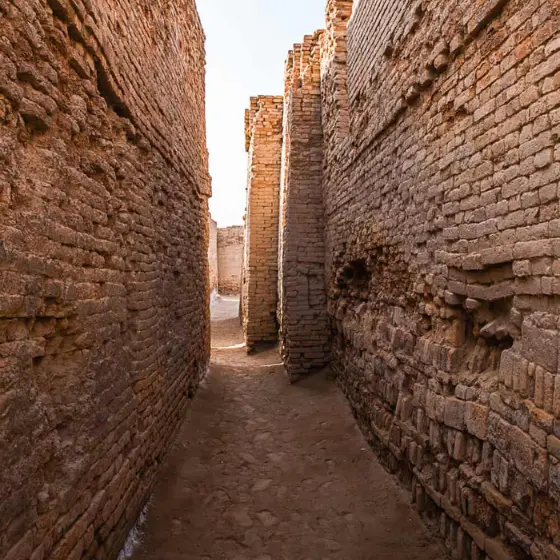
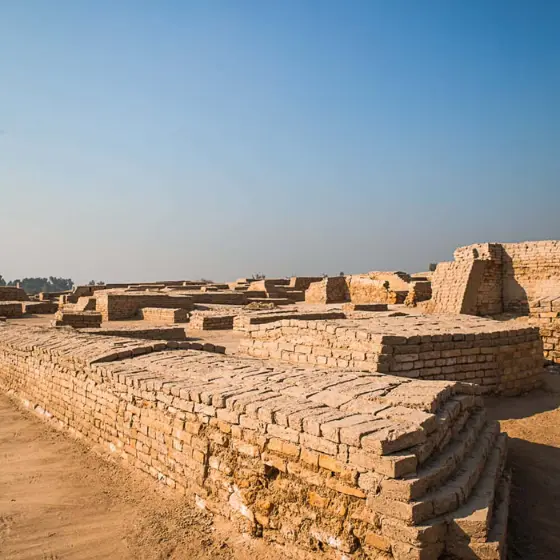
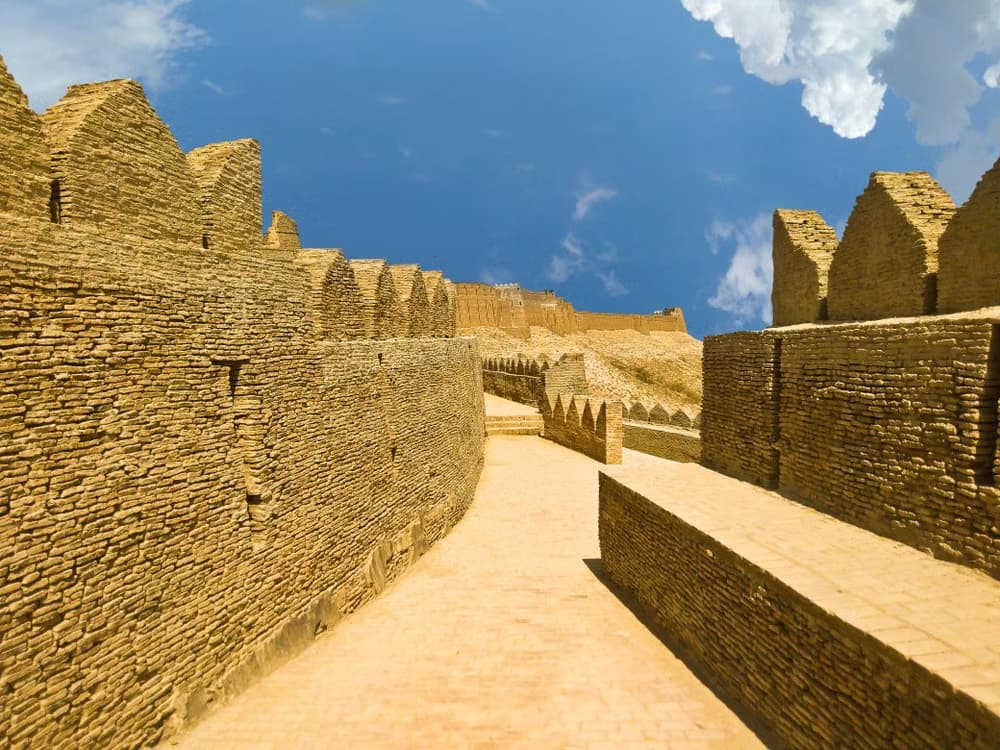
What makes it special is how ordinary it feels. You walk along straight streets, past house foundations with courtyards, beside brick-lined wells and drains. The city did not rely on grand palaces. Its character comes from planning: a raised citadel, a gridded lower town and water systems that were unusual for their time.
For international travellers, Mohenjo-daro offers something rare in South Asia: a World Heritage site you can often explore without crowds, in the landscape where the story happened.
Where is Mohenjo-daro located?
Mohenjo-daro lies in Larkana District, Sindh Province, in southern Pakistan. It sits on the right (west) bank of the lower Indus River, about 28 km from the city of Larkana.
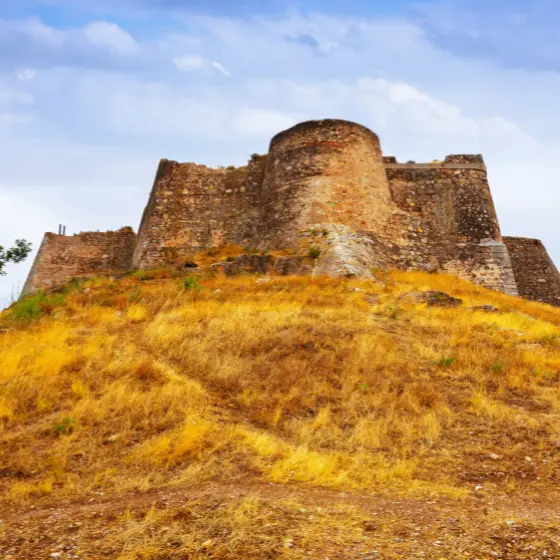
Mohenjo-daro at a Glance
Larkana, Sindh
Mohenjo-daro lies in Larkana District, Sindh Province, on the right bank of the lower Indus River.
Indus Valley
A major early urban culture, also called the Harappan Civilization, spread across Pakistan and north-west India.
c. 2500–1700 BCE
The planned city was built around 2500 BCE and had been abandoned by around 1700 BCE.
World Heritage Site
Inscribed in 1980 and listed by UNESCO as Archaeological Ruins at Moenjodaro, site reference number 138.
240 hectares
The protected area covers 240 hectares, and UNESCO notes only about one third has been excavated.
Flat Indus plain
An open, flat river plain with a hot desert climate, mild winters and very hot summers.
Guided ruins walk
Walk the ruins with a guide, visit the museum, take photographs and add Sindh heritage stops.
Half a day
Allow about half a day on site for a relaxed, unhurried visit, including the site museum.
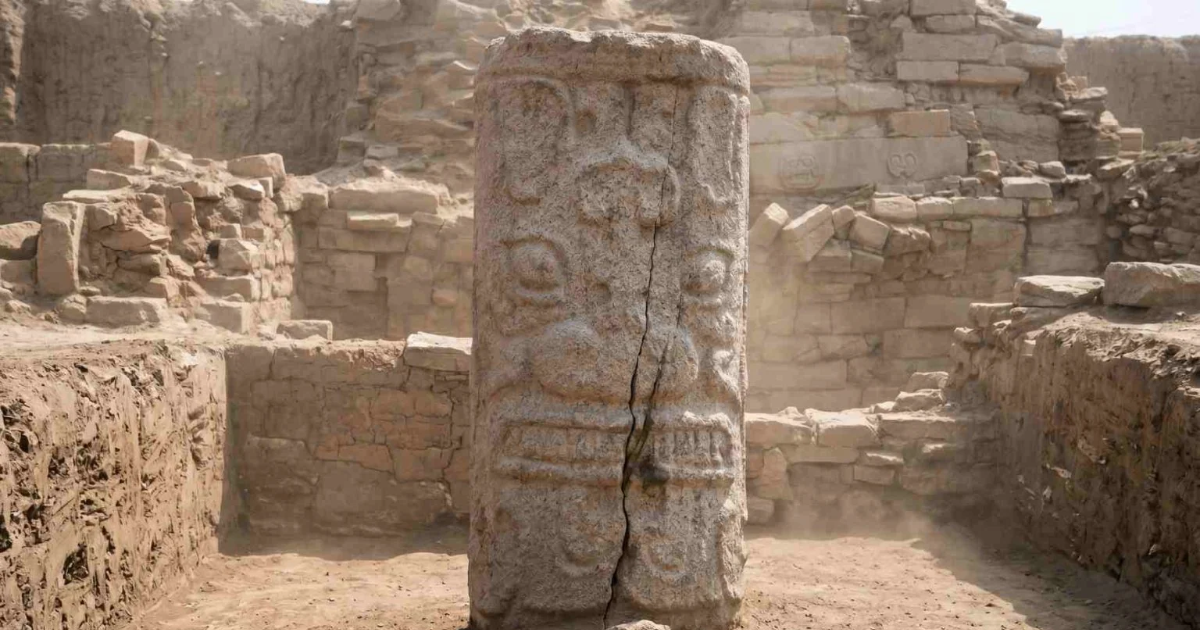
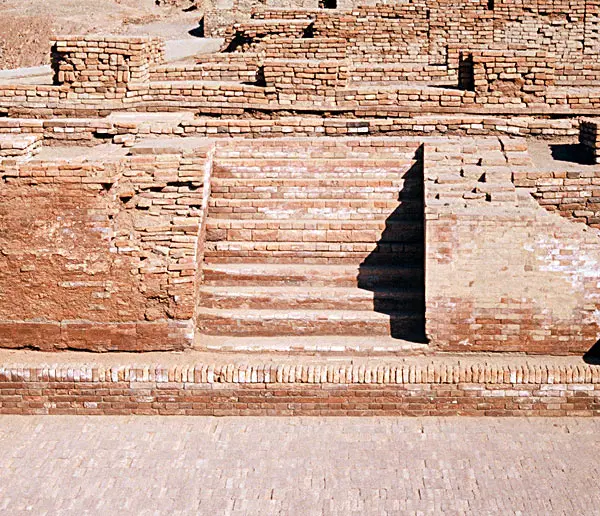
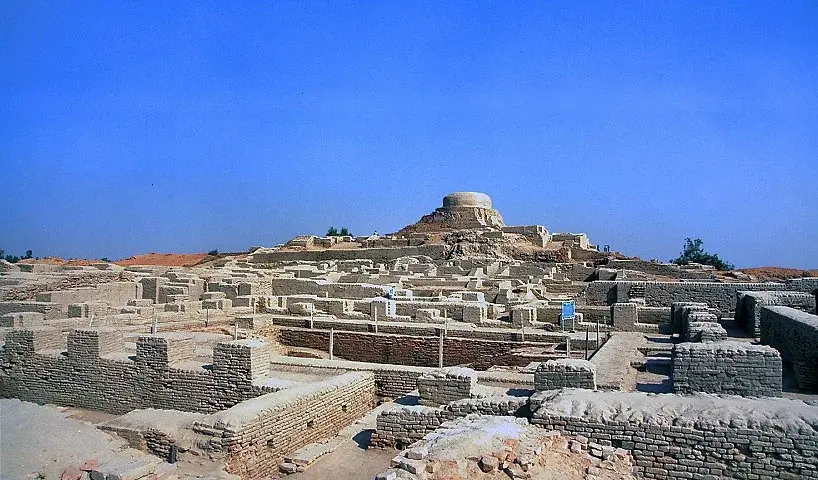
Best Time to Visit Mohenjo-daro
Mohenjo-daro is an open-air site in a hot region, so timing matters more here than almost anywhere else in Pakistan. The most comfortable season is winter.
Winter
(December to February): best season
Afternoon highs stay in the mid-20s °C, and nights turn cool, with a record low below freezing. These mild, comfortable days suit long, unhurried walks across the ruins, careful photography and a full visit to the museum.
Spring
(March to April): good, getting hot
March is warm and pleasant, ideal for morning visits and gentle sightseeing. By April, daytime highs approach 40 °C, so start early, finish before the midday heat and carry plenty of water, a hat and sun protection.
Summer
(May to September): very hot
May and June are the hottest months, with average afternoon highs around 44 °C. From July to September the monsoon brings most of the year’s rain and humid heat, so we generally do not recommend ruins sightseeing.
Autumn
(October to November): warm, cooling down
October is still warm, with average highs around 35 °C, so keep to mornings. November is a pleasant shoulder month as temperatures ease towards winter, making it a good time to plan a relaxed and unhurried visit.
Monthly Climate Guide
Typical daytime highs are rounded from Pakistan Meteorological Department averages (1991–2020). Conditions vary year to year.
- Januaryabout 25 °CBest
- Februaryabout 26 °CBest
- Marchabout 32 °CGood
- Aprilabout 39 °CHot: mornings only
- Mayabout 44 °CVery hot
- Juneabout 44 °CVery hot
- Julyabout 42 °CMonsoon, humid
- Augustabout 39 °CMonsoon, humid
- Septemberabout 38 °CHot
- Octoberabout 35 °CWarm: good for mornings
- Novemberabout 30 °CGood
- Decemberabout 25 °CBest
- Must see
Famous Attractions and Places to Visit in Mohenjo-daro
The Great Bath
The best-known structure at Mohenjo-daro is a large, watertight brick pool on the citadel mound, about 12 m long, 7 m wide and 2.4 m deep. Its floor and walls were sealed with bitumen, and steps lead down at both ends. Archaeologists generally link it to ritual bathing, but its exact purpose is not known.
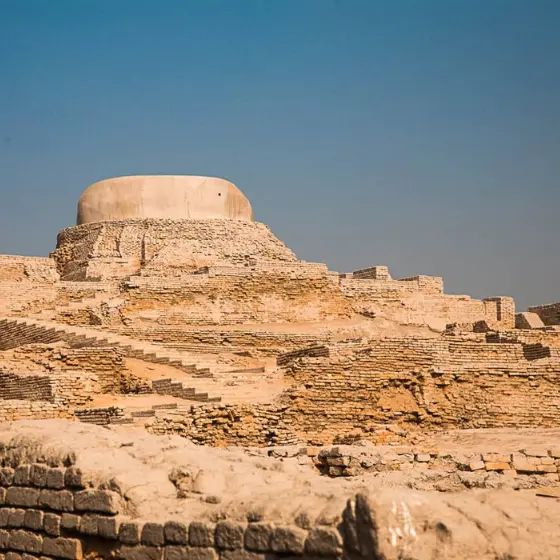
The Citadel Mound
The citadel rises about 12 m above the plain and held the city's major public buildings. At the top you will also see a Buddhist stupa from around 150–500 CE, built roughly 2,000 years after the city was abandoned. It is the structure R. D. Banerji first noticed here.
The Lower City: Streets and Houses
This is where the city's planning is easiest to understand. Straight lanes, courtyard houses and drains running beside the streets show an organised community. Some houses appear to have had bathing rooms.
The Wells
More than 700 wells have been found so far, roughly one for every three houses by one estimate. Their circular brick design is a lasting example of Indus engineering.
The 'Granary' and Great Hall
A large brick platform near the Great Bath was labelled the Great Granary by Sir Mortimer Wheeler in 1950. Later researchers, including Jonathan Mark Kenoyer, noted that no grain has been found there and suggested the more cautious name 'Great Hall'. Your guide can walk you through both views.
Mohenjo-daro Museum
A site museum, about 800 m from the ruins, displays finds from the excavations. Seals, pottery, tools and ornaments help bring the city to life. Some of the most famous objects are held elsewhere (see the history section).
Nearby Places in Sindh
Larkana
the usual base for visiting the site.
Kot Diji Fort
a hilltop fort near Khairpur with a pre-Indus and Harappan archaeological site.
Harappa (Punjab)
the other great Indus city. Mohenjo-daro and Harappa pair well on a longer cultural journey.
Fresh Trout
The mountain streams of Chitral and Garam Chashma are famous for their brown and rainbow trout, served simply grilled or fried in local guesthouses
History and Heritage
The Indus Valley Civilization
The Indus Valley (or Harappan) Civilization developed around 3000 BCE and later spread across much of what is now Pakistan and north-west India. Its major cities included Harappa, Mohenjo-daro, Dholavira and Rakhigarhi. Mohenjo-daro is considered one of the largest of them.
A planned city
UNESCO describes the ruins as the best-preserved urban settlement in South Asia from the beginning of the 3rd millennium BCE, and an early example of town planning. The city was built largely of fired and mortared brick, with some sun-dried mud brick and timber. Wells and the water supply appear to have been among the first elements built.
Rediscovery and excavation
The ruins lay undocumented for about 3,700 years. In the early 1920s, R. D. Banerji of the Archaeological Survey of India recognised the site's great age. Large excavations followed under Kashinath Dikshit and Sir John Marshall in the mid-1920s, with later work by Ernest Mackay, Sir Mortimer Wheeler and George Dales. Excavation was banned after 1965 because exposed brick was weathering. UNESCO ran an international safeguarding campaign from 1974 to 1997, and the site was inscribed in 1980.
Life in the city
Excavations have uncovered carved seals, weights and measures, copper and bronze tools, bronze figures, gold and jasper jewellery and children's toys. A section of the city seems to have been used for shell-working. An ivory ruler from the Indus world is marked in precise decimal units. The Indus script appears on seals and tablets, but it has not been deciphered, so much about daily beliefs and government remains unknown.
Why was the city abandoned?
By around 1700 BCE, Mohenjo-daro had been abandoned along with other large Indus cities. Scholars still debate the causes. Flooding, shifting rivers and over-use of the land have all been proposed, and no single explanation is accepted by everyone.
Conserving Mohenjo-daro today
The name
'Mohenjo-daro' is a modern Sindhi name usually translated as 'Mound of the Dead'. The city's original name is unknown.
Famous objects
The 'Priest-King' statue is a modern nickname. There is no evidence that priests or kings ruled the city. The small bronze 'Dancing Girl' is held in the National Museum in New Delhi, because the finds were divided between Pakistan and India after 1947.
Atomic-war stories
Popular online claims of an ancient nuclear disaster have no archaeological support.
Conserving Mohenjo-daro today
Salt in the ground, groundwater, flooding and monsoon rain threaten the unbaked and fired brick. The 2022 monsoon caused significant damage, and UNESCO and Pakistani authorities have continued conservation and monitoring work. Visitors can help by staying on marked paths and never climbing on walls.
Local Culture and Traditions
Mohenjo-daro lies in the heartland of Sindh, a province with a distinct language and a deep Sufi tradition.
People and languages
Sindhi is the main local language. Urdu is widely understood, and guides can interpret in English.
Traditional dress
Sindhi caps and ajrak, a block-printed cloth in deep red and blue, are proud symbols of Sindhi identity.
Food
Sindh is known for rich, spiced dishes such as Sindhi biryani and sai bhaji (a spinach-and-lentil dish).
Music and shrines
Sindh is famous for Sufi music and shrines, including Bhit Shah and Sehwan Sharif, which can be added to a longer itinerary.
Activities and Travel Experiences
Guided ruins walk
Follow the streets, wells and drains with someone who can separate evidence from guesswork.
Sunrise or late-afternoon photography
Low light brings out the brick textures. Avoid midday glare.
Museum visit
See seals, tools and ornaments in the site museum.
Compare Indus cities
Combine with Kot Diji or Harappa to see how the civilization spread.
Indus River and Sukkur
Add a river city and dolphin conservation visit.
Local food and craft
Taste Sindhi dishes and see ajrak printing on a wider Sindh tour.
- Tour Packages
Mohenjo-daro Tour Packages
Mohenjo-daro works best as part of a wider cultural journey through Sindh and the Indus heartland. Harappa Tour & Travel can help you plan a guided visit with transport and local support, and can connect it with other historic and cultural stops in Pakistan.
Ready to explore Mohenjo-daro? Let's plan your trip.
Tell us when you want to travel, how many people are in your group and what interests you most. We will help you shape a Mohenjo-daro tour that fits your plans.
Your trusted partner for exploring Pakistan’s most breathtaking destinations. Locally rooted. Globally trusted. Licensed by Gilgit-Baltistan Tourism Department.
Destinations
Contact
- Kalan Ganish, Hunza Valley- 15700, Gilgit Baltistan, Pakistan